Casing Inspection Logging
High-Resolution Wall Thickness & Internal Evaluation
At Reliance Oilfield Services, our casing inspection services provide precise, reliable data to measure casing integrity, wall thickness, detect corrosion, identify pitting and defects, and profile internal geometry across Western Canada.
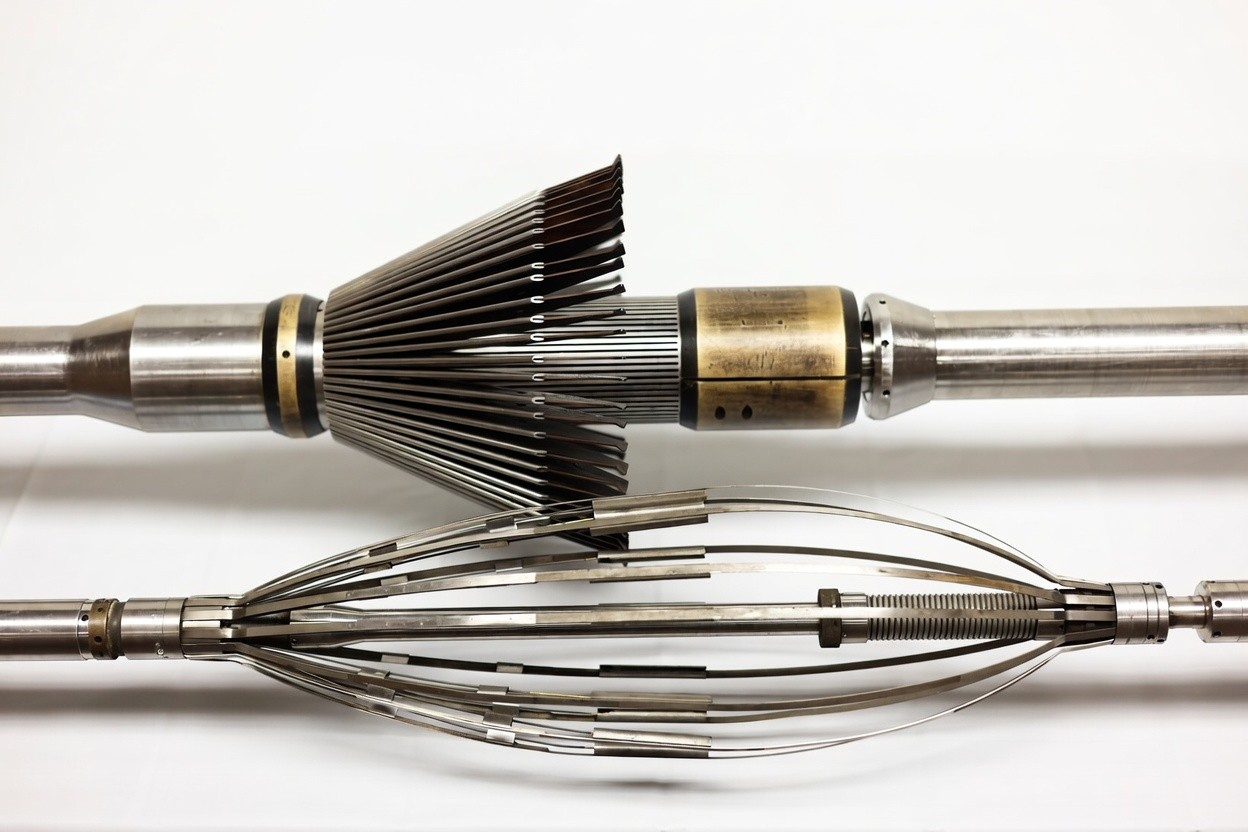
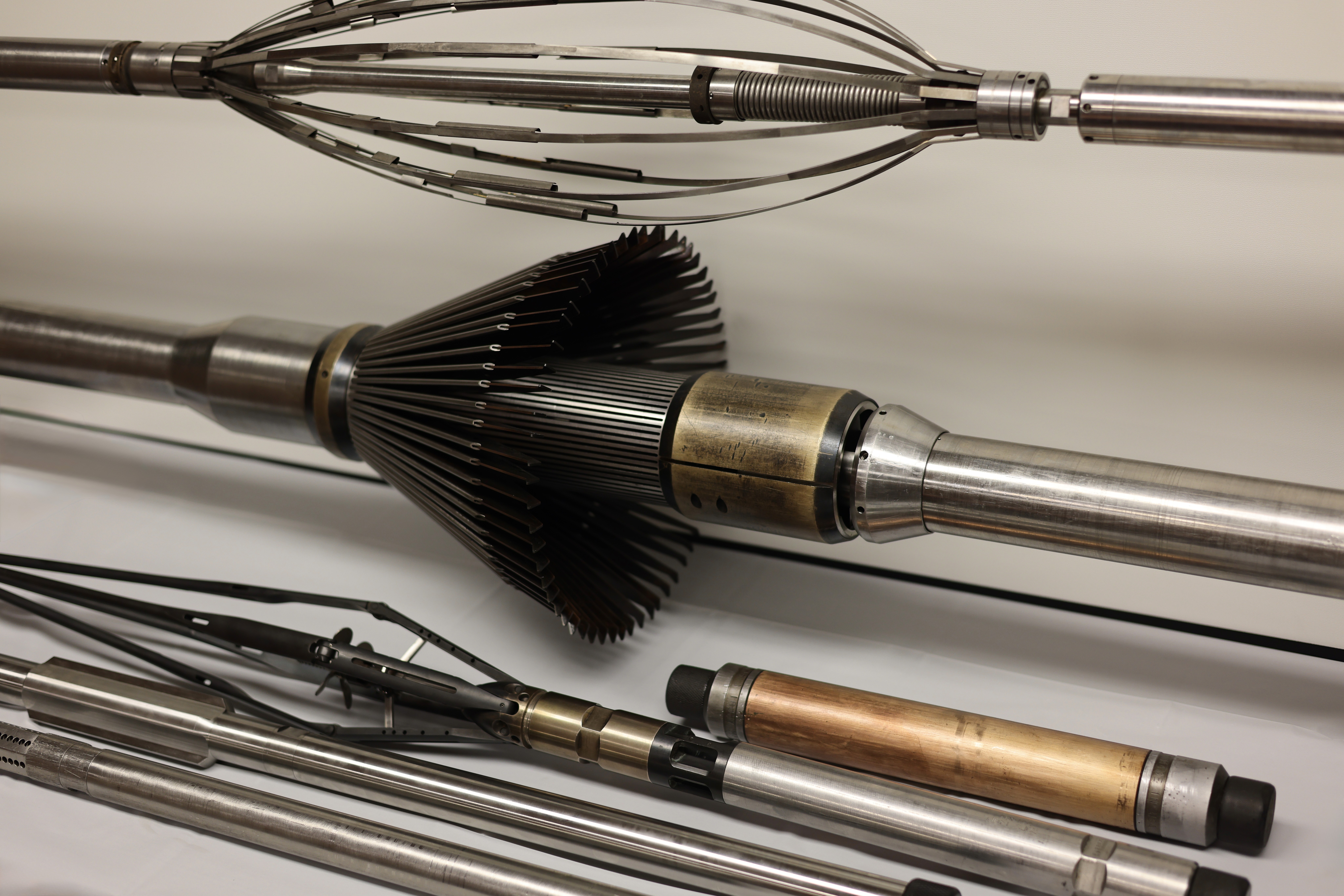
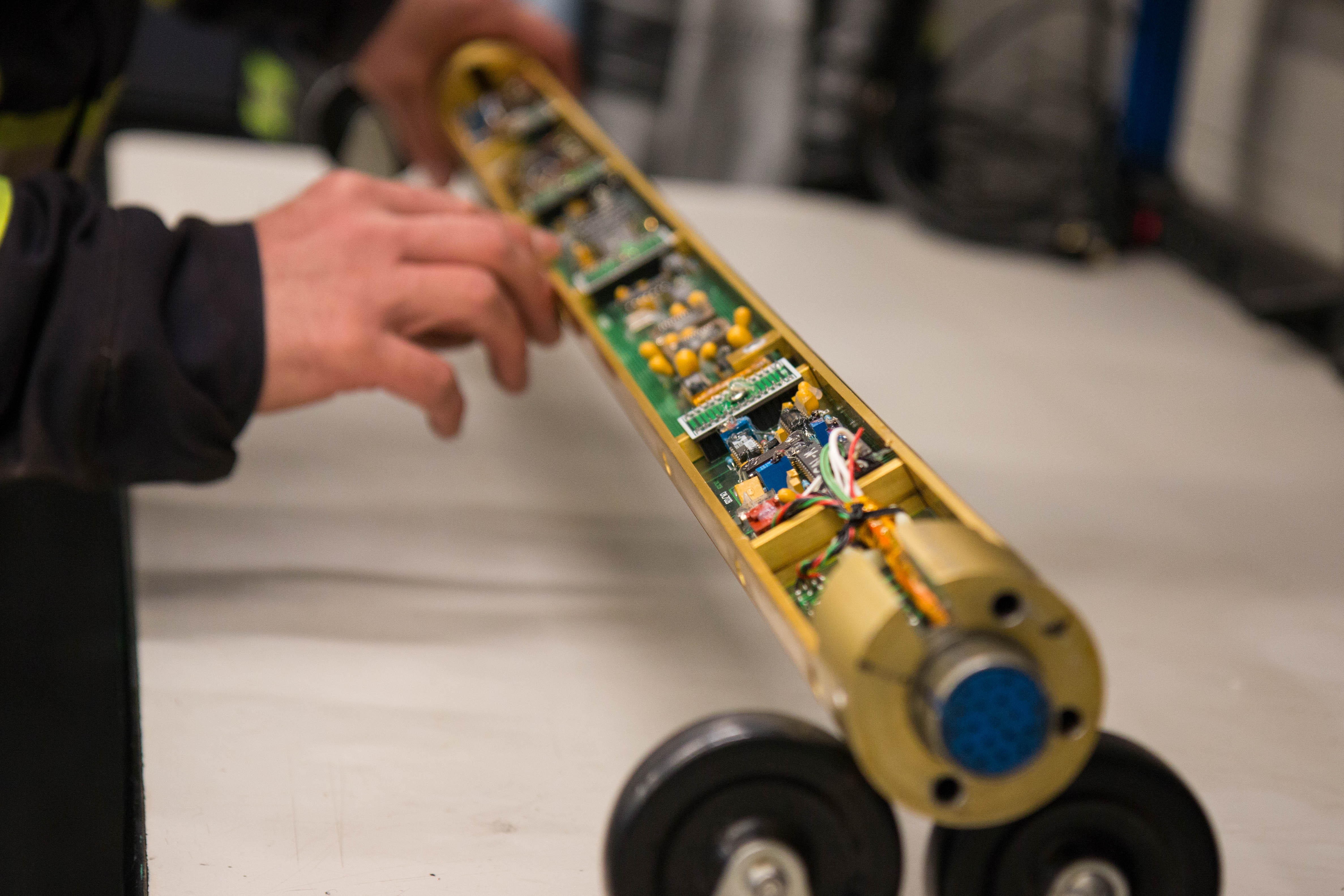
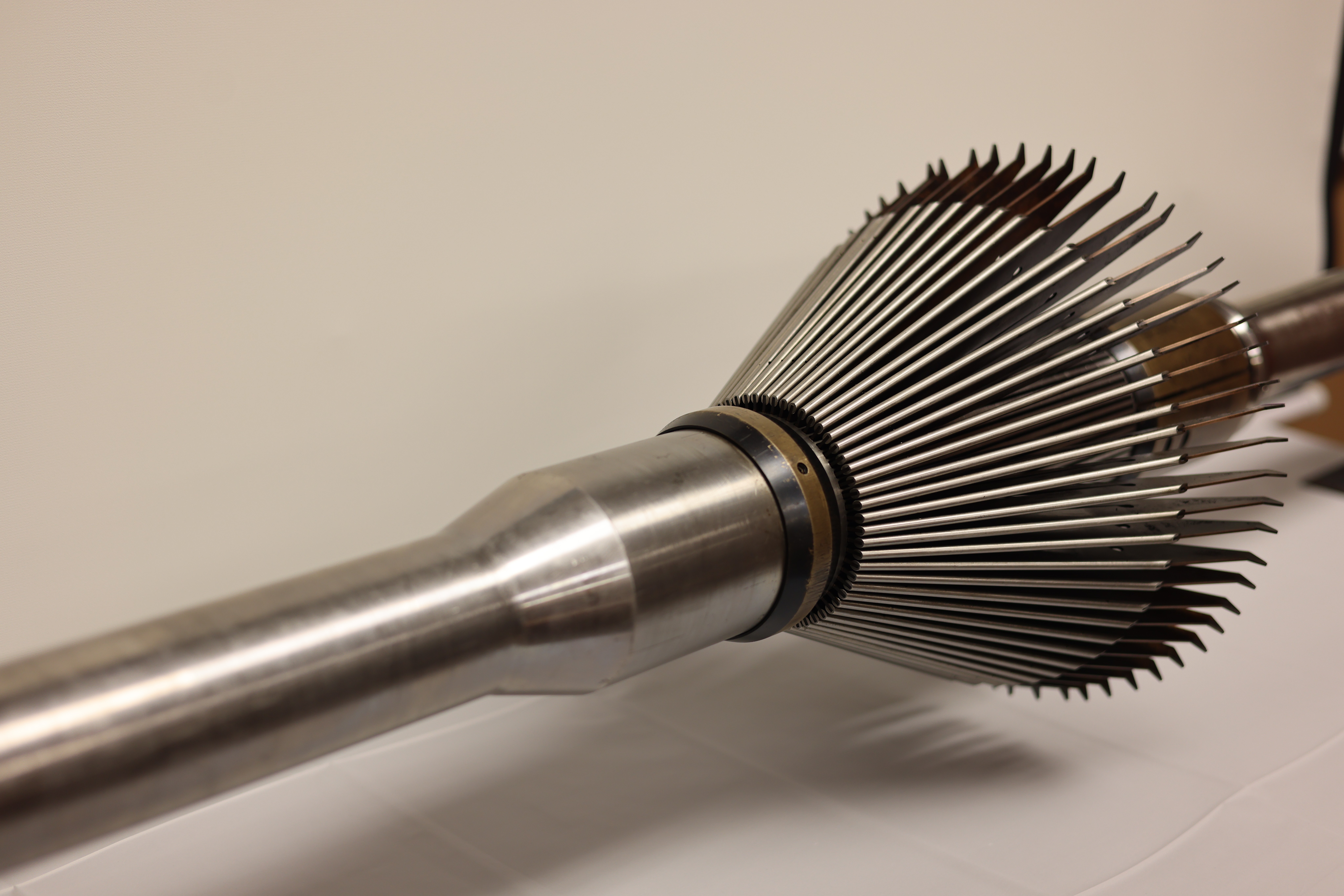
The casing inspection tools (CIT) combine the Magnetic Thickness Tool (MTT) for direct wall thickness measurement and the Multifinger Imaging Tool (MIT), also known as a multi-finger caliper tool, for high-resolution internal diameter profiling. Together, MTT and MIT deliver a casing inspection log that enables comprehensive detection of metal loss, thinning, wear, scale buildup, ovality, deformation, and external/internal anomalies to ensure reliable casing integrity moving forward.
We offer multiple MIT variants (24-, 40-, and 60-finger) designed for casing inspection of different pipe sizes, ensuring optimal performance from small-diameter tubing to larger casing.
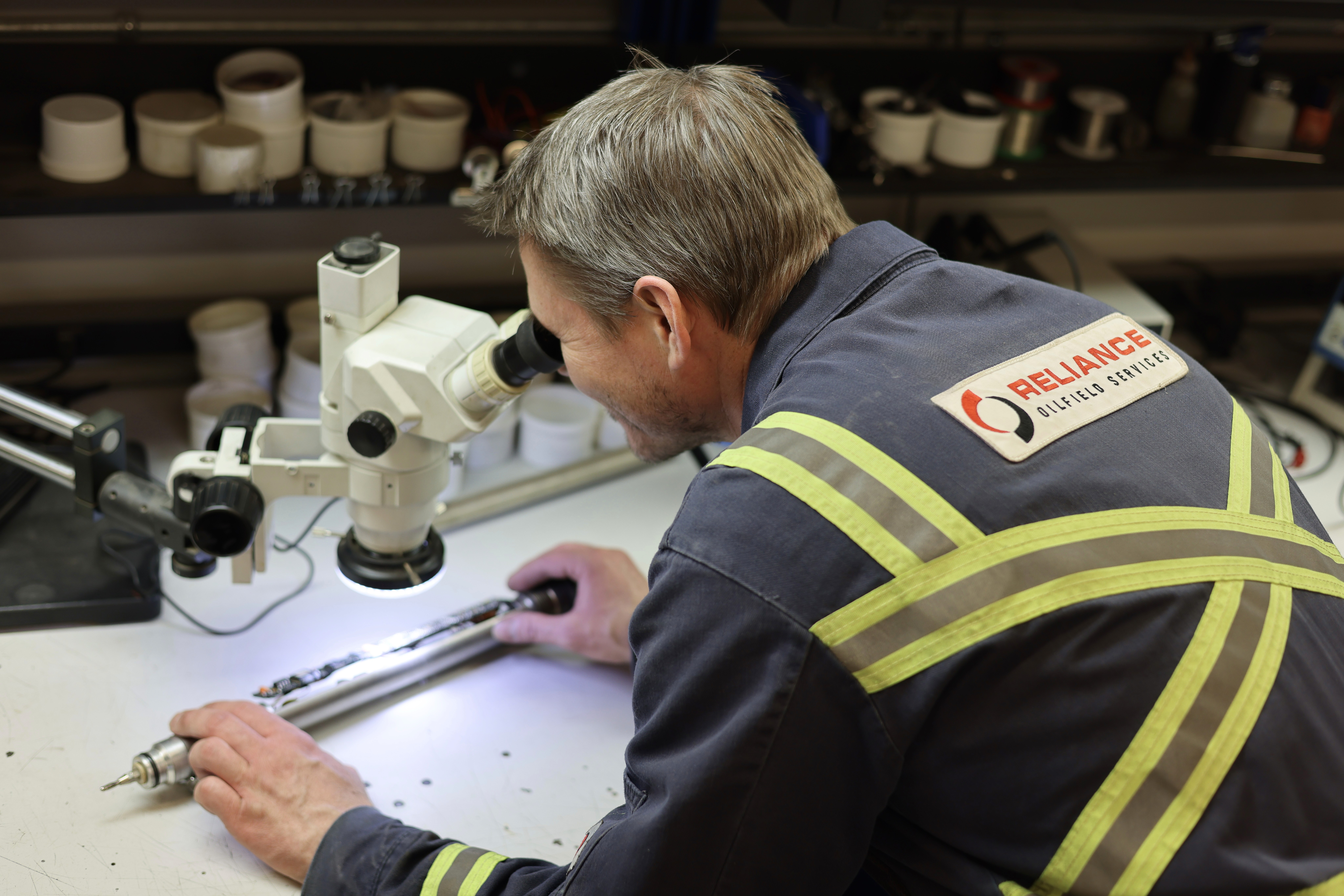
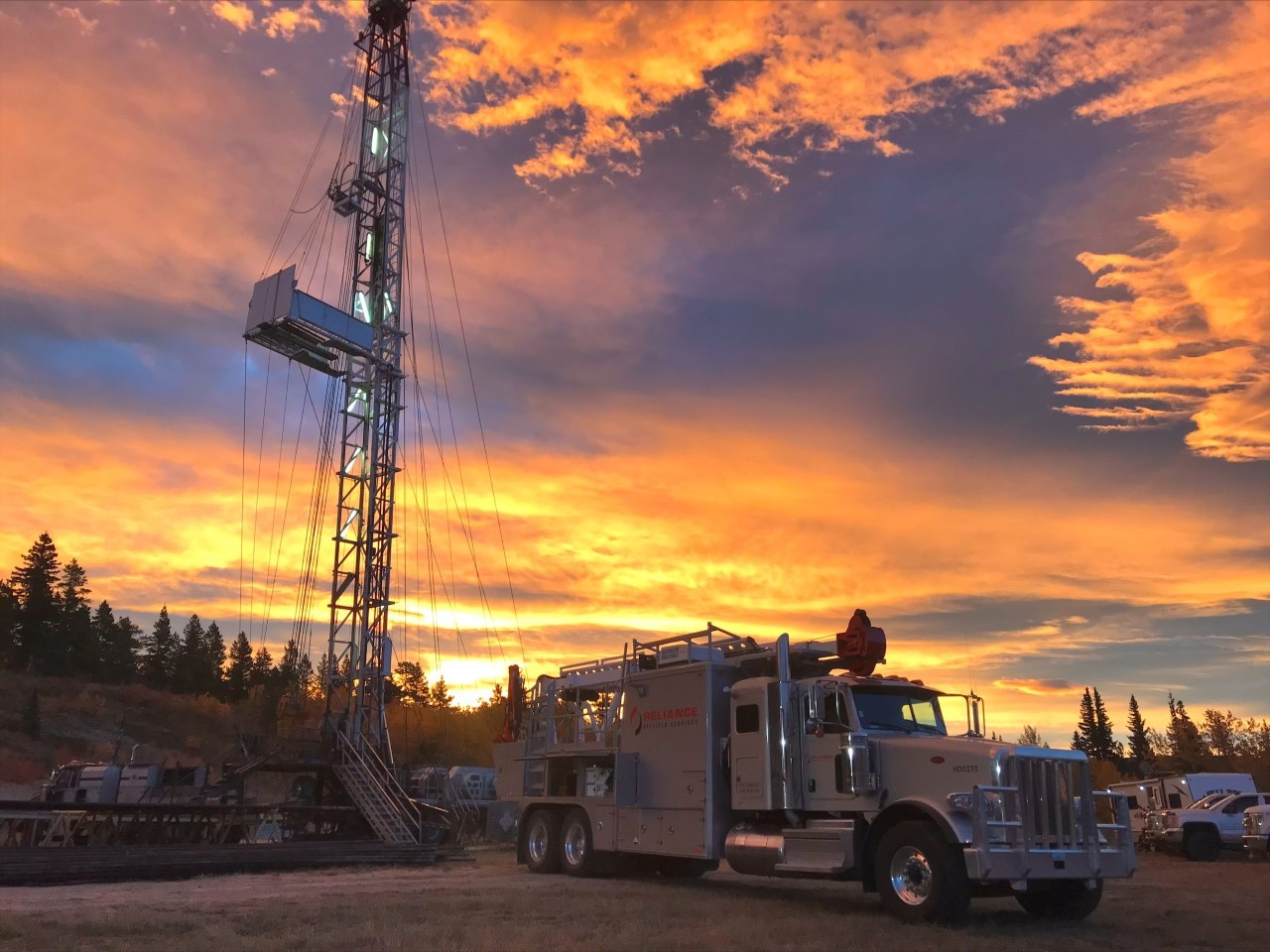
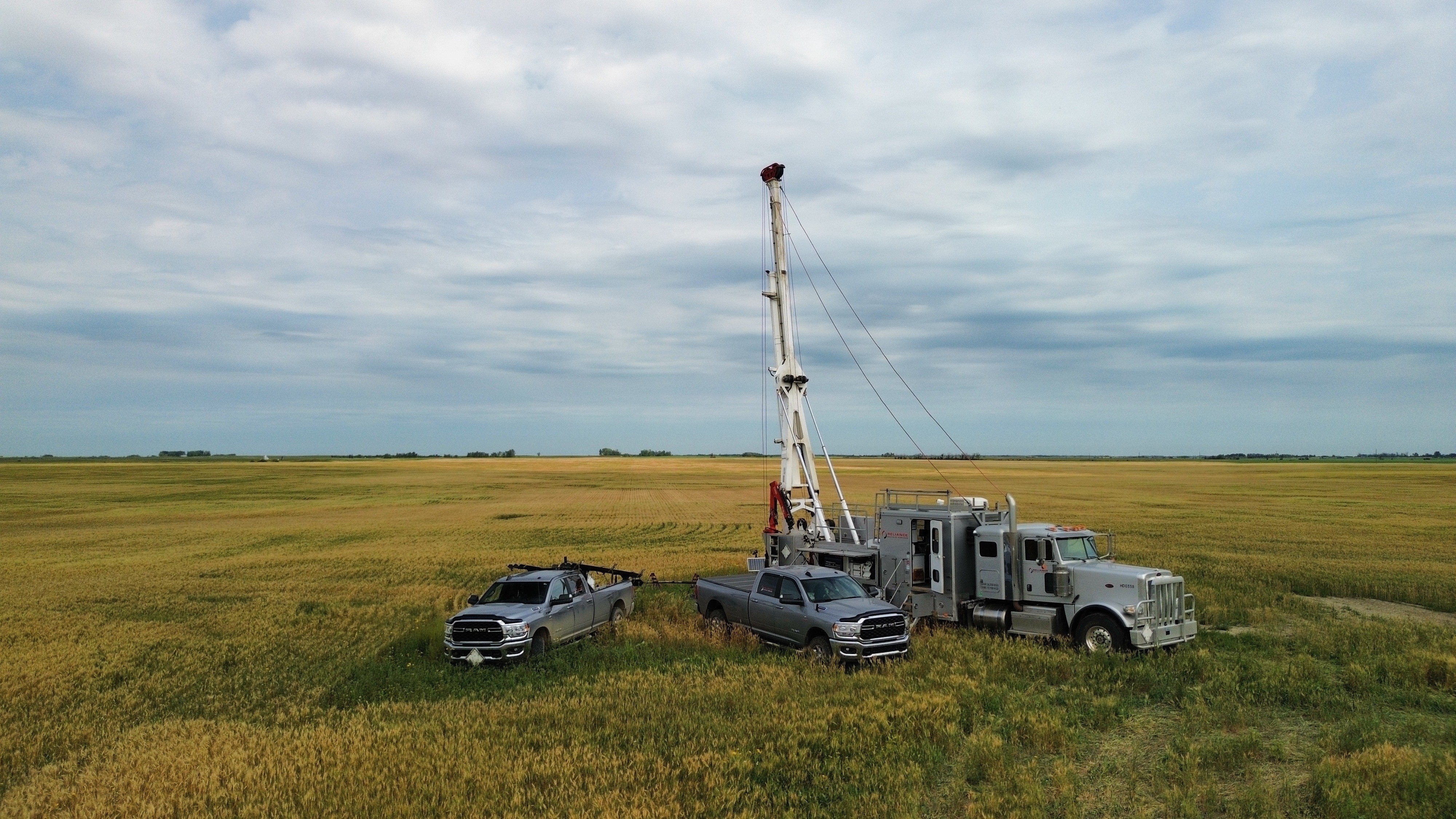
Our casing inspection tools are deployed on memory or surface readout (SRO) via wireline or coil tubing, supported by our specialty logging department and experienced technicians skilled in these advanced tools, ensuring expert operation, accurate data acquisition, and extensive coverage across Western Canada.
How Casing Inspections Work:
Downhole tools evaluate casing condition versus depth using magnetic sensing and mechanical profiling. As the tool traverses the well:
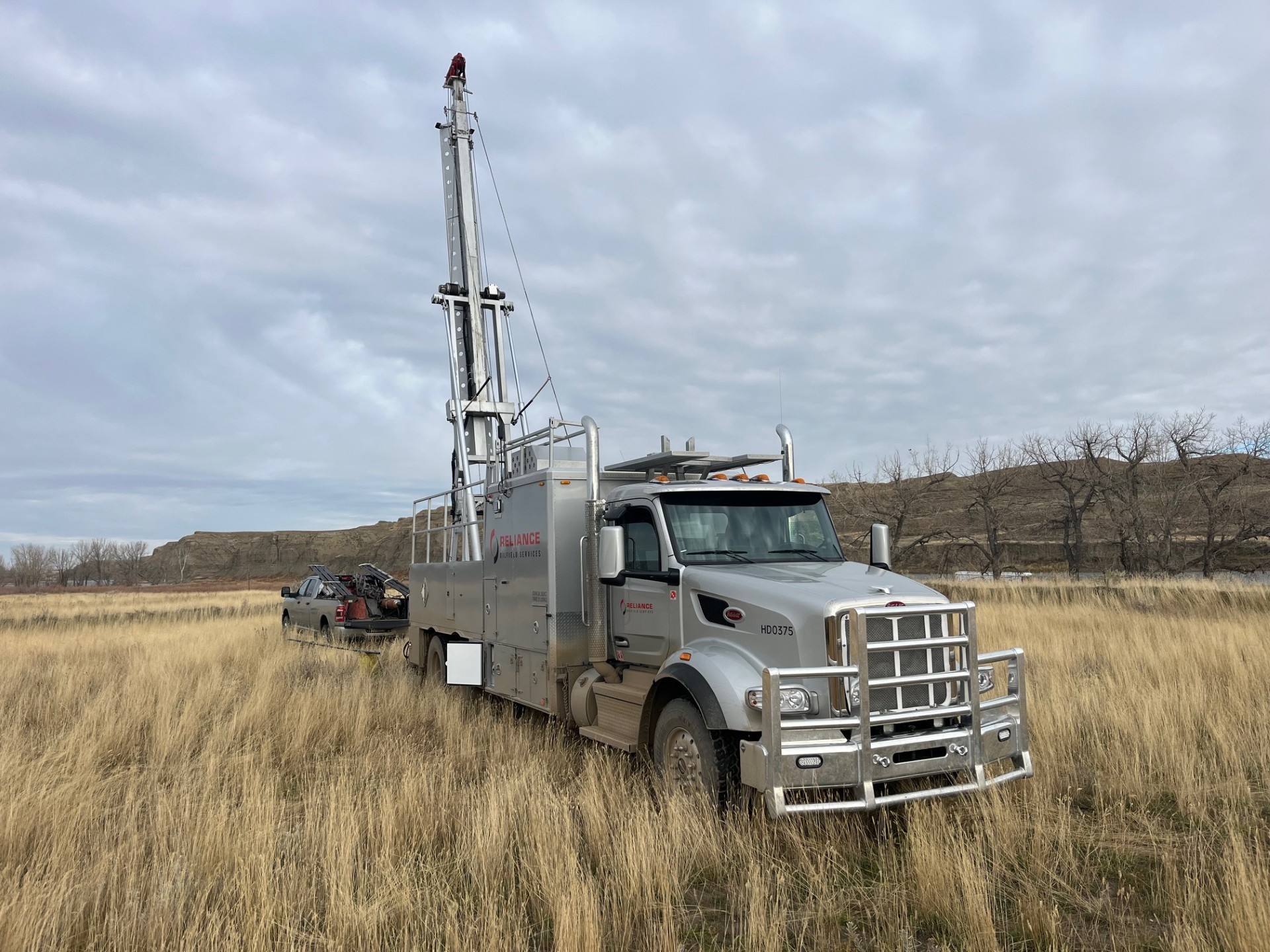
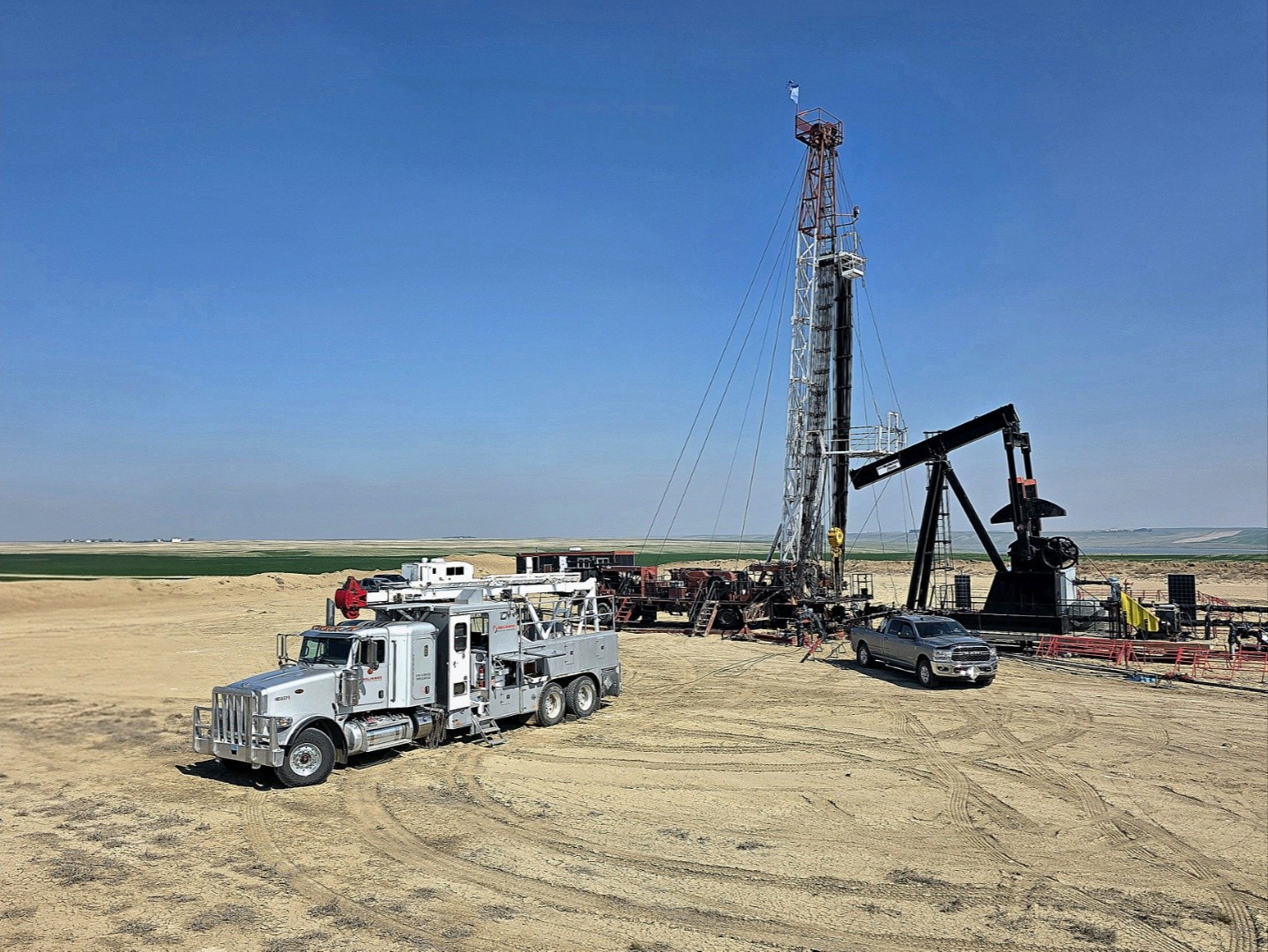
Deployment by Specialty Logging Experts — Tools conveyed on memory or surface readout (SRO) via Coil tubing or wireline (conventional, mast, or heli-portableheli-poratble units), with our skilled logging technicians selecting the optimal variant and mode for the well configuration.
MTT Magnetic Sensing — Alternating magnetic field penetrates the casing wall. A 12-sensor array on bow springs detects signal variations directly related to wall thickness changes, suitable for tubing to larger casing sizes.
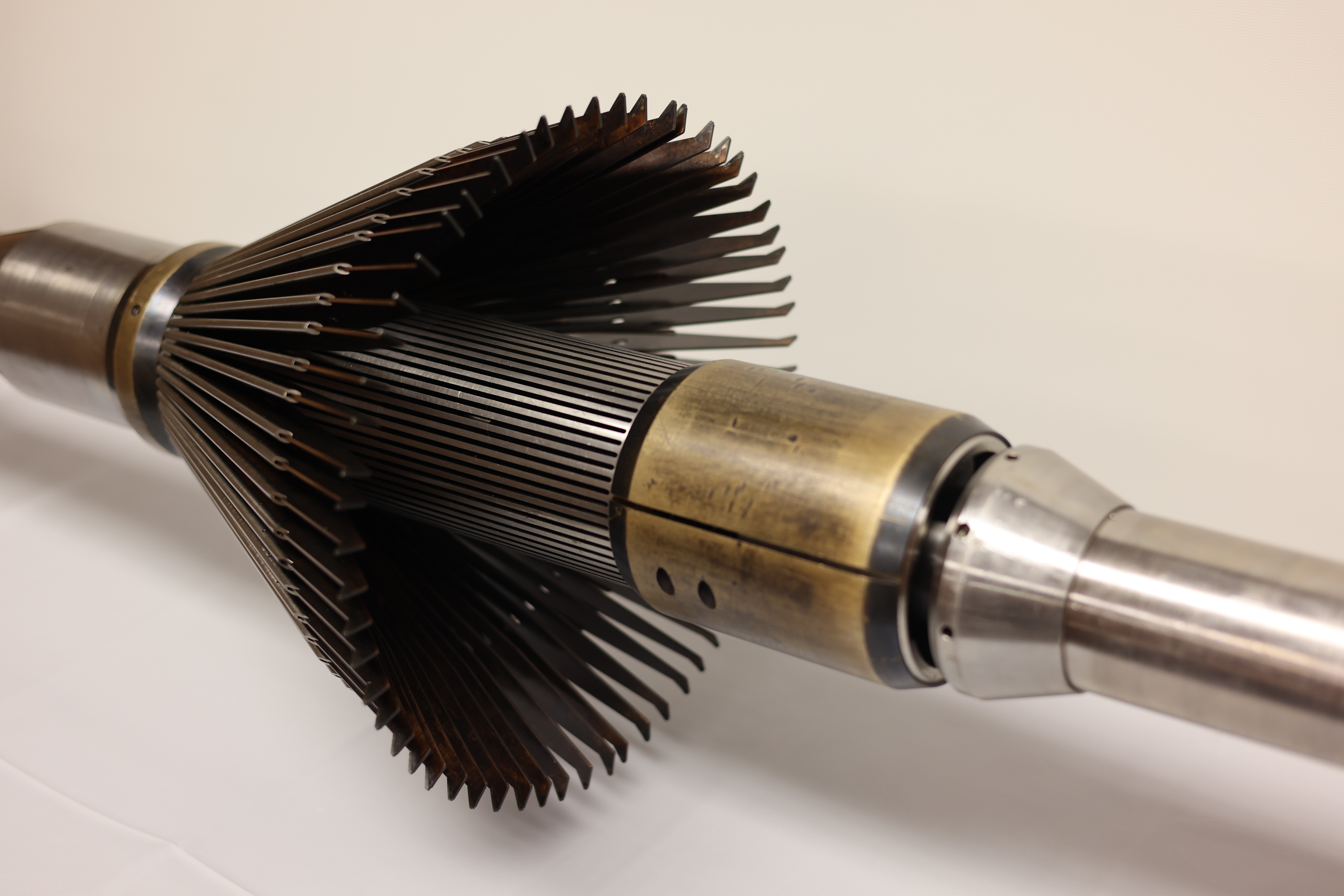
MIT Mechanical Profiling (Caliper) — Spring-loaded fingers contact the inner wall, measuring internal diameter at fine angular and axial spacing (variants selected by pipe size: 24-finger for smaller diameters/high precision; 40-finger for mid-range balance; 60-finger for larger tubulars/maximum detail).
GR & CCL — Ensures accurate depth correlation and zonal identification.
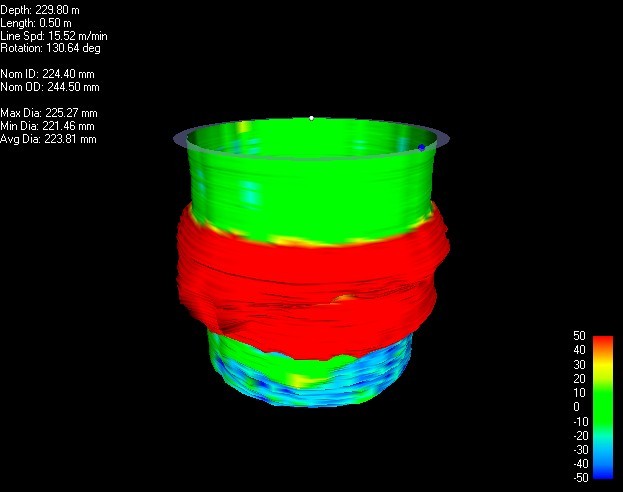
Advanced Processing & Interpretation — Full datasets compiled and analyzed post-job by our analysis team. The two datasets (MTT wall thickness and MIT internal diameter/caliper) are combined to form the complete casing inspection profile, delivering detailed joint-by-joint statistics, 3D models, and actionable insights.
Inquire about CASING INSPECTION LOGGING
Tool Specifications
Parameters
MIT-40
MIT-60
Diameter
2.75” (70mm)
3.9–4.4” (99–112mm)
Max Pressure (MPa / psi)
138 MPa (20,000 psi)
138 MPa (20,000 psi)
Max Temp (°C / °F)
177°C (350°F)
177°C (350°F)
Fingers / Sensors
40 fingers
60 fingers
Measurement Range
70–178 mm (2.75–7”)
102–254 mm (4–10”)
Radial Accuracy
±0.51–0.64 mm (±0.02–0.025”)
±0.64–0.76 mm (±0.025–0.030”)
Telemetry Modes
SRO or Memory
SRO or Memory
H₂S/CO₂ Rated
Yes
Yes
Casing Inspection Log Applications, Detection, and Interpretation
Casing inspection logs identify deviations in wall thickness and internal diameter, signaling events like:
Metal loss anomalies indicate corrosion, pitting, wear, or thinning (MTT direct measurement).
Internal geometry changes reflect scale buildup, ovality, deformation, or erosion (MIT caliper profiling).
External anomalies detected via thickness variations and cross-referenced with ID data (MTT + MIT combo).
Key uses and detections include:
Casing integrity evaluation and corrosion profiling (MTT + MIT).
Detection/quantification of internal/external metal loss, pitting, and wear.
Internal diameter measurement for scale, ovality, and deformation.
Baseline and repeat logging for time-lapse monitoring of casing condition.
Remedial planning and post-intervention verification.
Support for integrity diagnostics in production, intervention, and maintenance operations.
Verification of casing integrity for injection/disposal wells (AER Directive 051).
High-volume casing assessment across various pipe sizes.

Enhanced Capabilities & Advantages
Multi-Variant Flexibility — Multiple MIT (caliper) variants ensure compatibility with a wide range of tubular sizes, from small-diameter tubing to large casing.
Versatile Deployment — Memory or SRO modes via wireline or coil tubing, with our specialty logging technicians ensuring expert operation in any environment.
Through-Tubing Efficiency — Slim designs and bow spring/finger configurations pass restrictions, reducing downtime, costs, emissions.
Regulatory Compliance — Verifiable, high-quality data aligns with AER Directive 020 (Well Abandonment), Directive 051 (Injection Wells), Directive 080 (Well Logging), Directive 087 (Well Integrity), ID 2003-01 (SCVF/GM), Saskatchewan PNG015, and BC guidelines, accelerating approvals and enhancing LMR/LLR profiles.
Complements Tools — Pairs with CVT, Noise/Temperature Logging, CHAT, or Cement Bond Logs for integrated diagnostics.
Super Stack Benefit — The Super Stack allows for OD/ID Casing Inspection and Radial Bond Log evaluation all in one run, saving time and money. The Magnetic Thickness Tool (MTT), Multi-Finger Imaging Tool (MIT), and Slim Hole Radial Bond Tool (Slim RBL) are designed to utilize both Surface Read Out (SRO) and Memory. This allows for multiple deployment options, including E-line, Slickline, Coil Tubing, etc.
Typical Casing Inspection Output & Visualization
Casing inspection log dData appears as continuous curves (wall thickness vs. depth, ID profiles), overlaid with GR/CCL for correlation. Real-time field QC aids decisions. Post-acquisition analysis by our team provides detailed visualizations, statistical reports, and intuitive defect highlighting.
Inquire about CASING INSPECTION LOGGING