
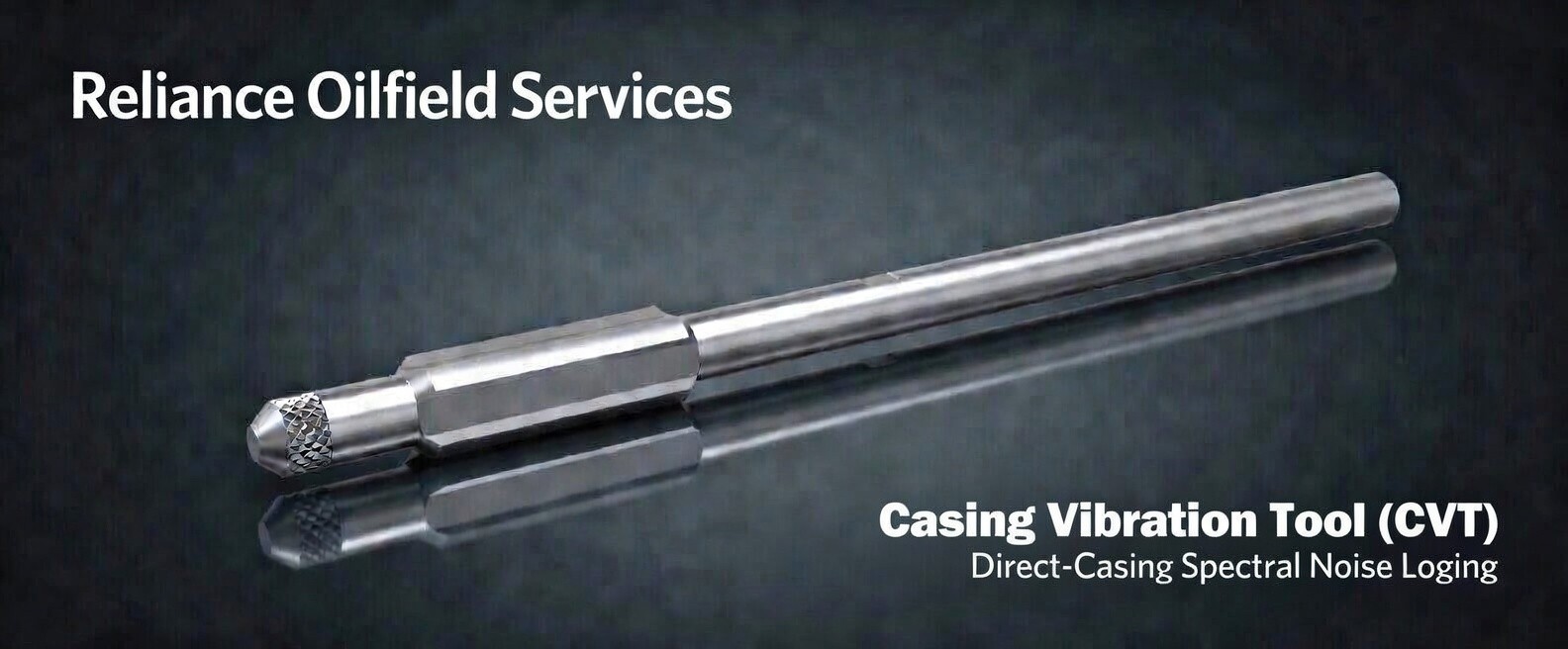
Casing Vibration Tool - CVT (SCFV/GM)
Direct-Casing Spectral Noise Logging
Traditional noise logging relies on fluid-borne acoustics, which suffer from attenuation, multiphase flow turbulence, "stacking" of waveforms over distance, and suppression of small events by larger ones. These limitations often lead to uncertain interpretations, failed squeezes, rework, persistent SCVF/GM issues, methane emissions, and groundwater risks.
Reliance Oilfield Services Casing Vibration Tool (CVT) revolutionizes this. By mechanically coupling sensors directly to the casing, the CVT captures vibrations in the steel itself, where sound travels faster and with far less distortion than through wellbore fluid. This yields a cleaner, higher signal-to-noise ratio dataset, enabling precise identification of gas movement behind pipe, vent flows, channeling, and leaks at their source.
Paired with our proprietary visualization software, the CVT lets operators virtually "see" and "hear" what's happening behind the pipe, supporting faster, more confident decisions for remediation, zonal isolation, and permanent abandonment.
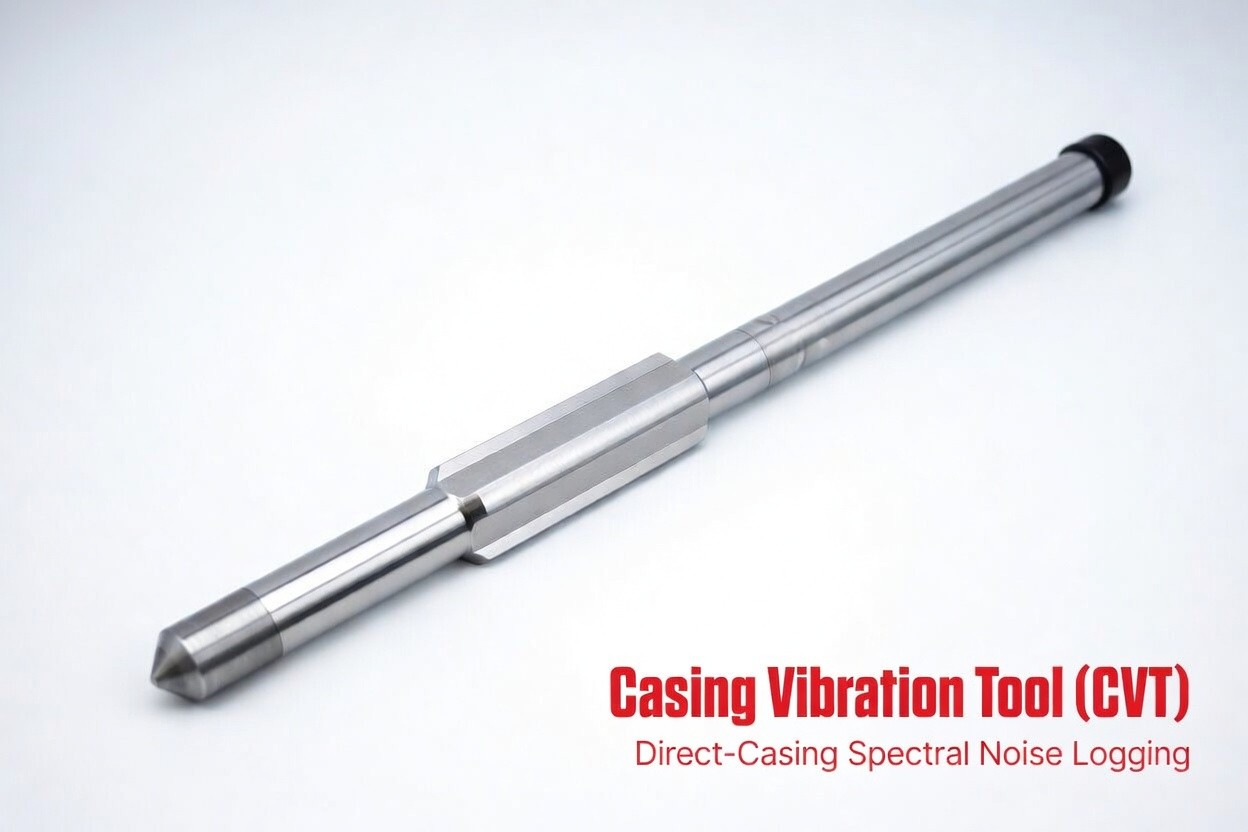
How the Casing Vibration Tool (CVT) Works:
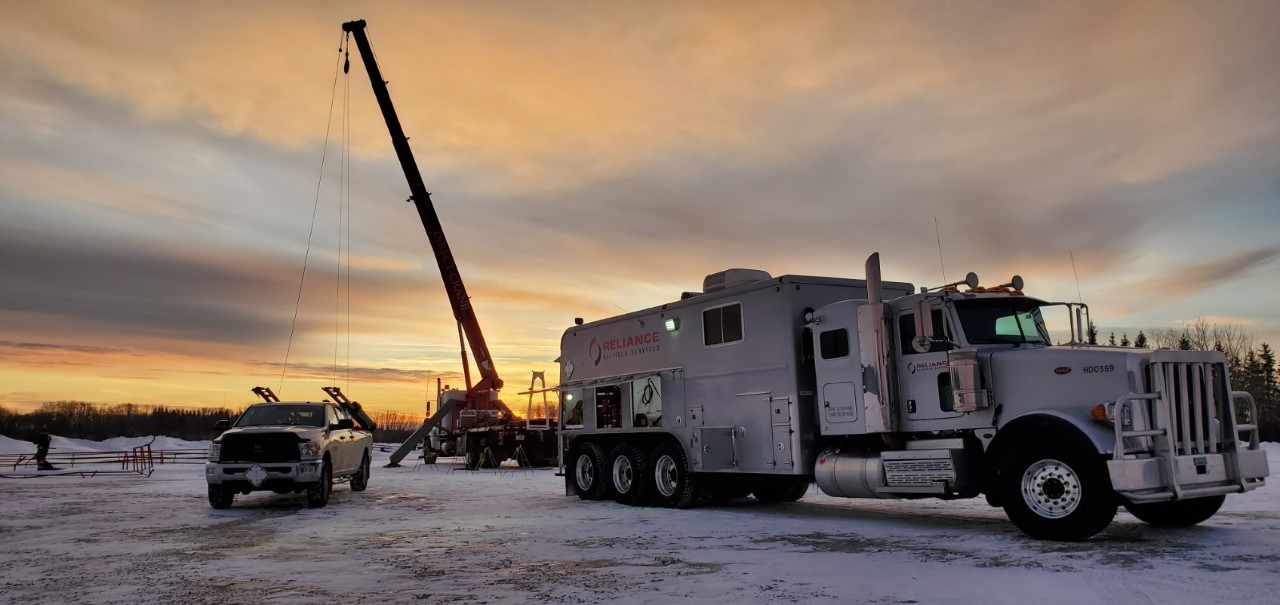
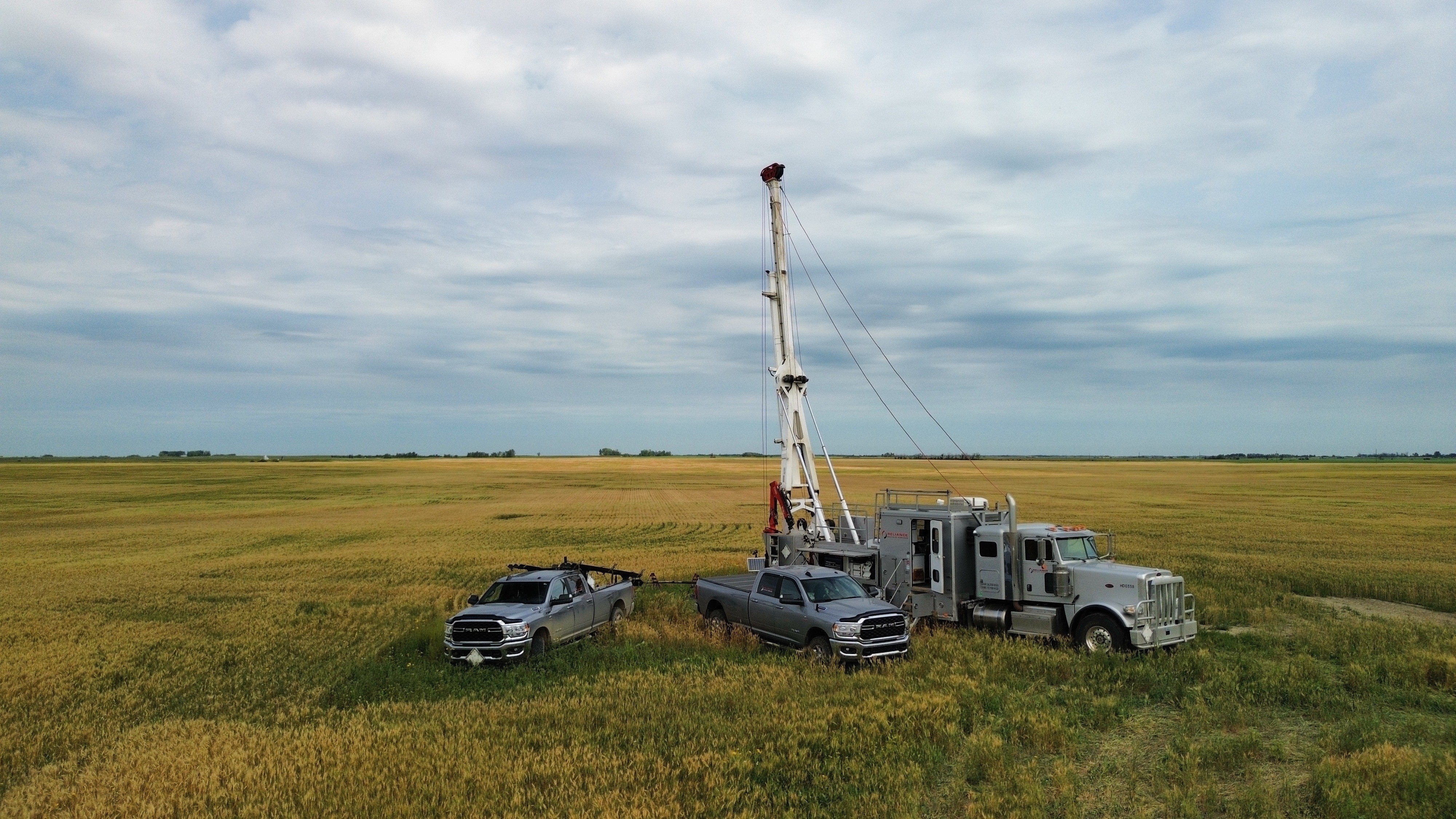
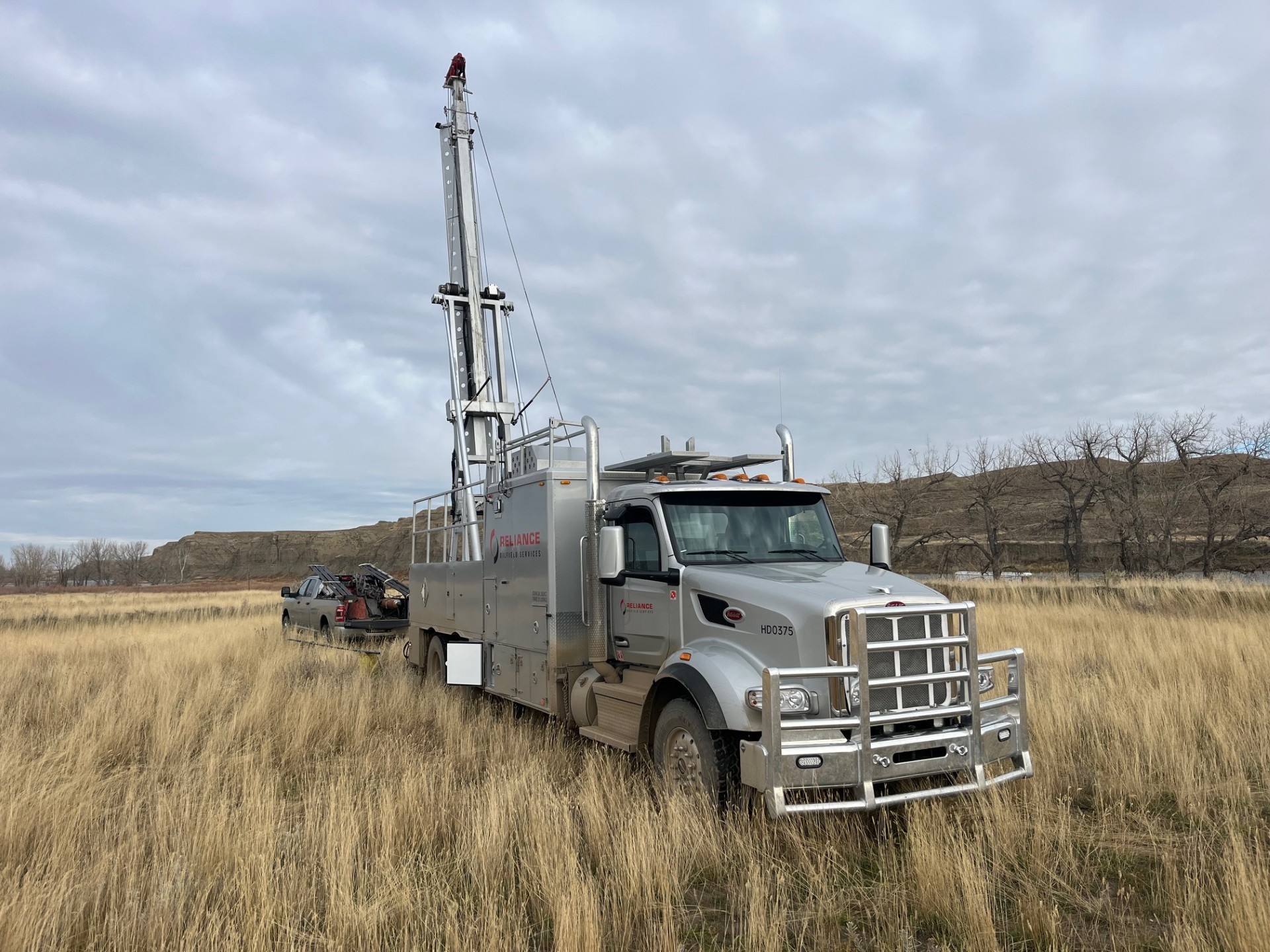
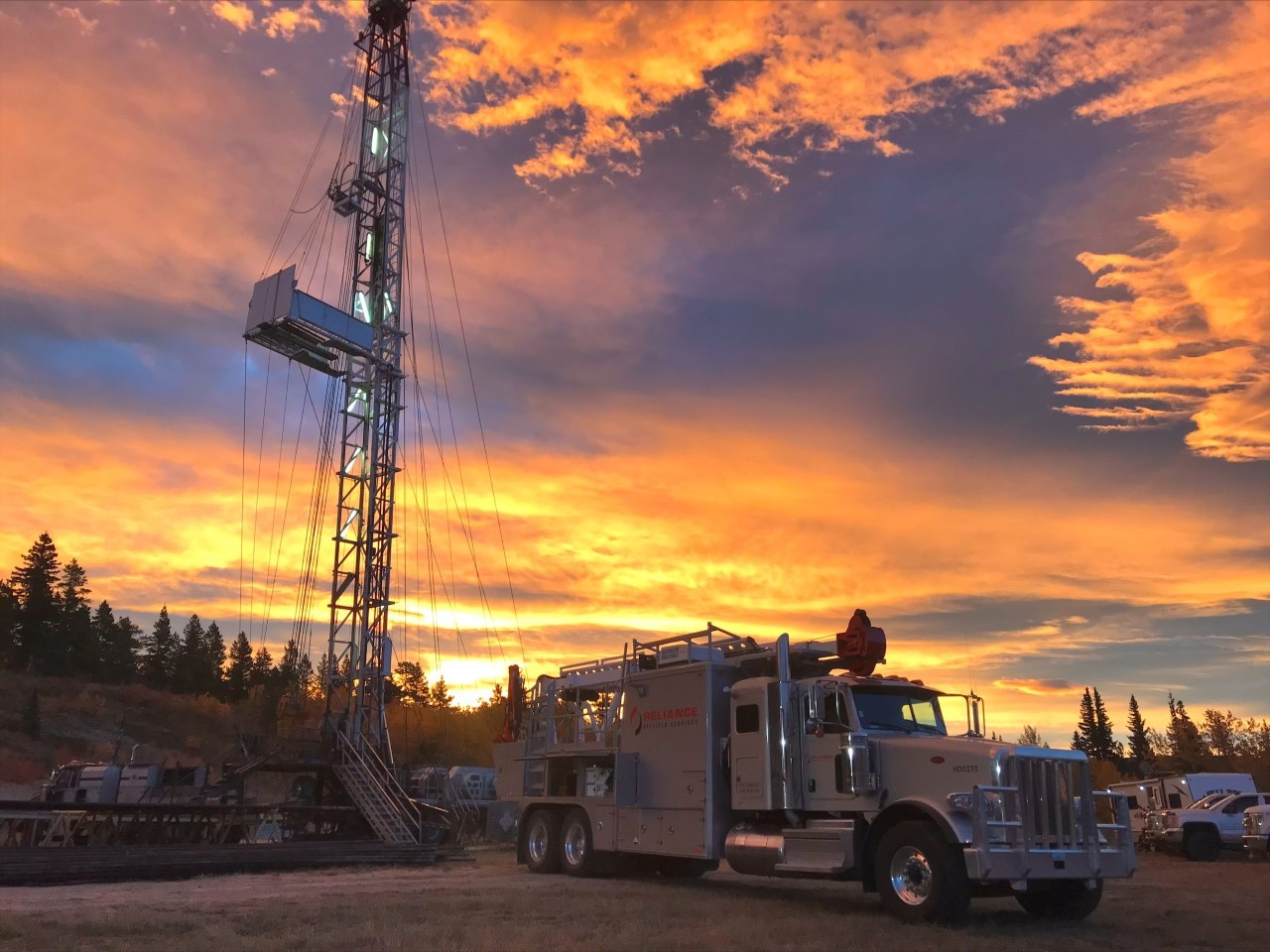
Wireline Deployment: Wireline conveyed using our conventional, mast, or heli-portable wireline units (suitable for remote or low-access sites).
Direct Mechanical Coupling: Sensor contacts the casing ID magnetically to measure vibrations in the steel from gas/fluid movement behind the pipe.
High-Fidelity Capture: Modern electronics provide high-resolution sampling, low noise floor, and accurate depth correlation.
Data Conversion & Analysis: Vibrational signals convert to audible audio files + visual waveforms/spectrograms in Reliance proprietary software for easy review and interpretation.
Dry-Run Capability: Measures casing vibration (not fluid), so the tool runs effectively even in dry or low-fluid wells.
Inquire about CVT
CVT vs. Conventional Fluid-Based Noise Tools
Feature
Reliance CVT (Direct Casing)
Conventional Fluid-Based Tools
Measurement Medium
Vibration of the casing steel
Acoustic energy in wellbore fluid
Signal Degradation
Zero wellbore fluid interference
Attenuation leading to multi-waveform stacking
Low-Amplitude Event Detection
High sensitivity to subtle events
Often suppressed or masked due to wellbore fluid saturation
Low-Flow / Subtle Scenarios
Superior detection and clarity
Lower fidelity
Run Conditions
Can run dry (measures casing, not fluid)
Requires stable fluid column
Cleaner, Sharper Data: Higher signal-to-noise ratio and reduced interference for confident source pinpointing.
Superior Sensitivity: Detects small but critical anomalies without suppression by larger events.
Audio & Visual Clarity: Converts data to playable sound files + spectrograms/visualizations for intuitive evaluation.
Fast deployment: cuts time, costs, emissions, and footprint. Ideal for high-volume P&A (plug and abandonment) wells.
Regulatory Alignment: Provides verifiable, high-quality data for AER Directive 020 (Well Abandonment), Directive 080 (Well Logging), Saskatchewan PNG015, and BC guidelines, accelerating approvals and enhancing LMR/LLR profiles.
What the CVT Detects
Gas migration (GM)
Surface casing vent flow (SCVF)
Leak paths and behind-pipe communication
Casing integrity issues
Flow through perforations/restrictions
Annular movement and pressure communication
Post-remediation confirmation
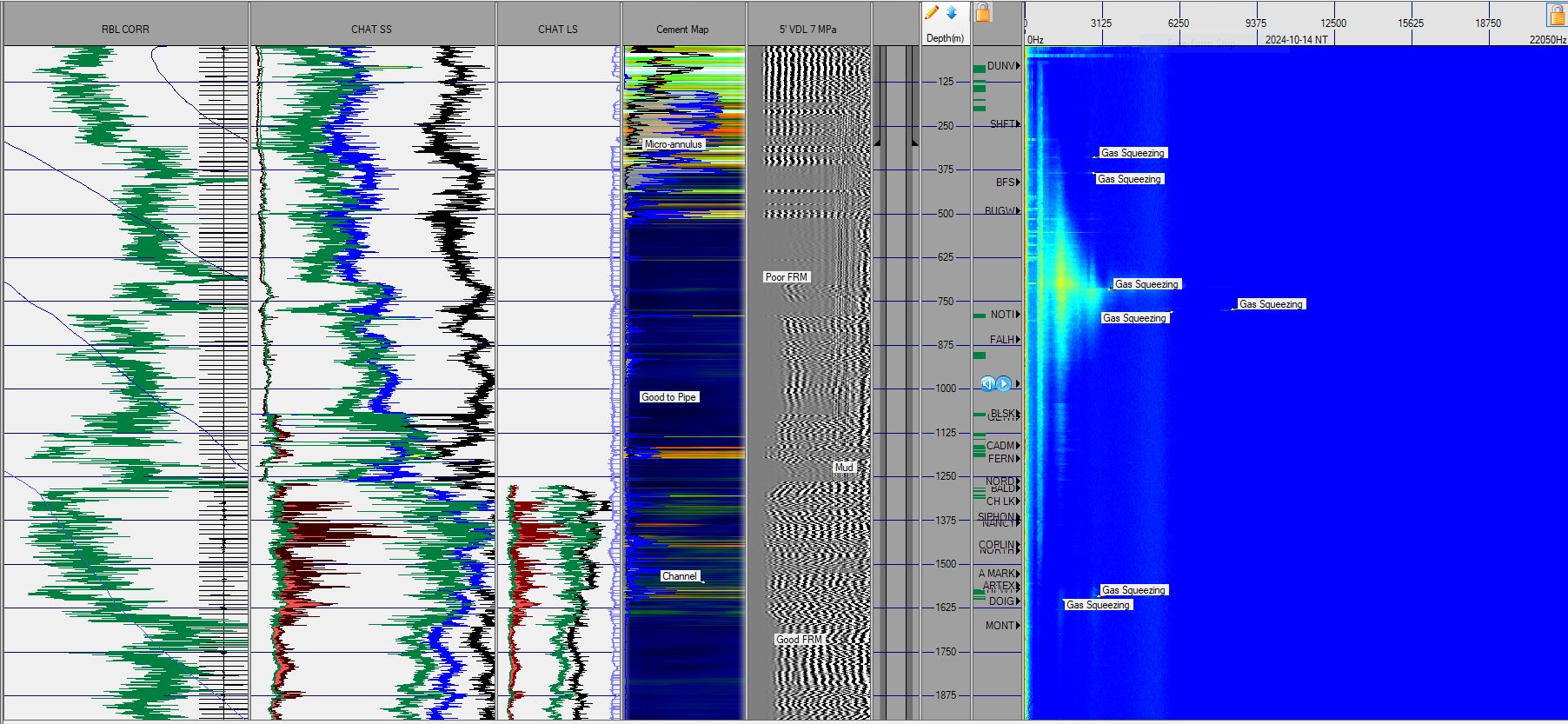
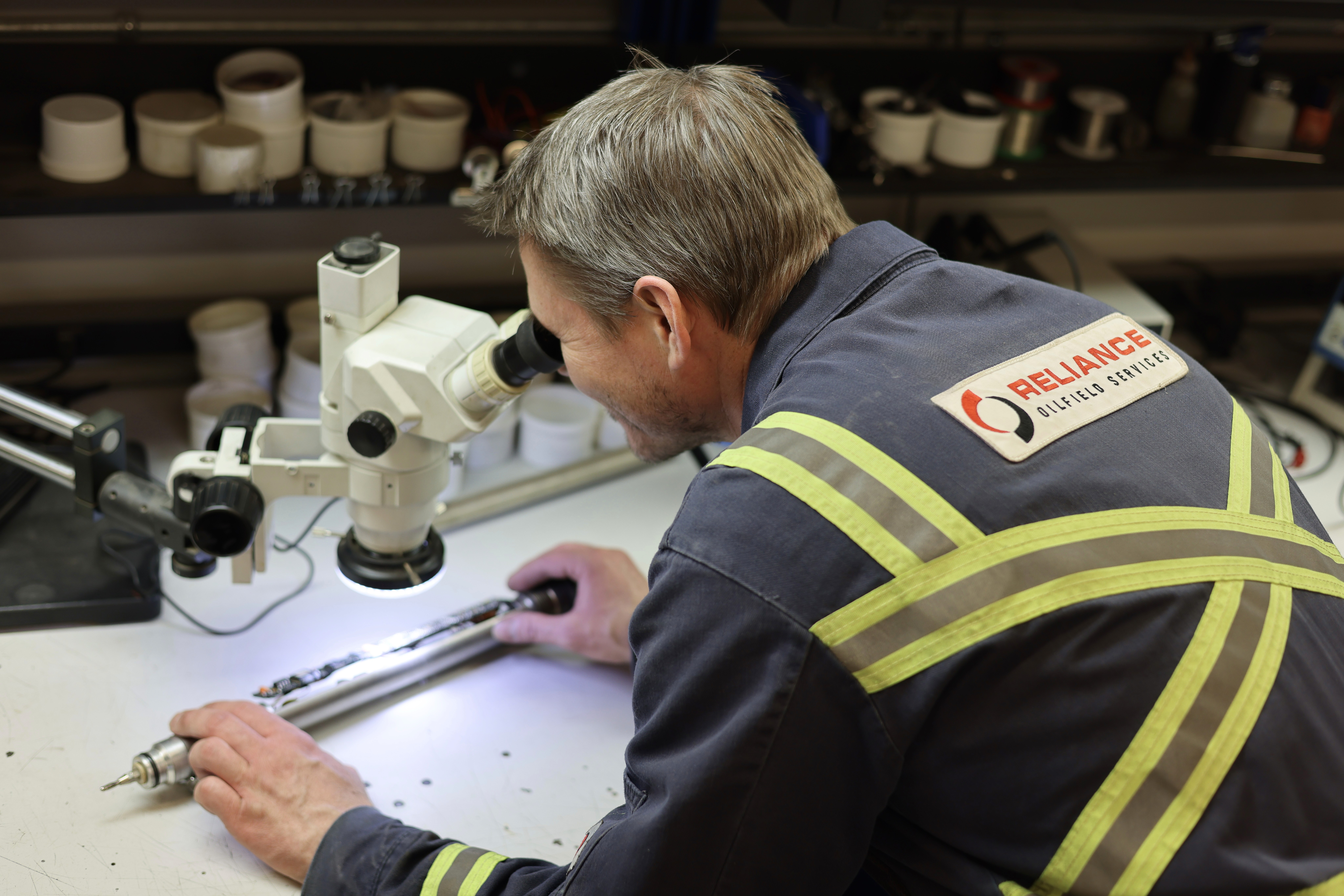
With 24/7 logging specialists, in-house analysts, and a large regional wireline fleet, Reliance Oilfield Services delivers end-to-end solutions, turning complex SCVF/GM challenges into resolved liabilities faster and more reliably.
Inquire about CVT