Cement Bond LOGGING
High-Resolution Cement Evaluation for Zonal Isolation and Well Integrity
At Reliance Oilfield Services, our cement bond logging tools deliver precise assessment of cement quality from cement to pipe and cement formation, critical for inferring zonal isolation, detecting channeling or micro-annuli, identifying free pipe or cement tops, and supporting regulatory compliant operations across Alberta, Saskatchewan, British Columbia, Manitoba, Yukon, and the Northwest Territories.
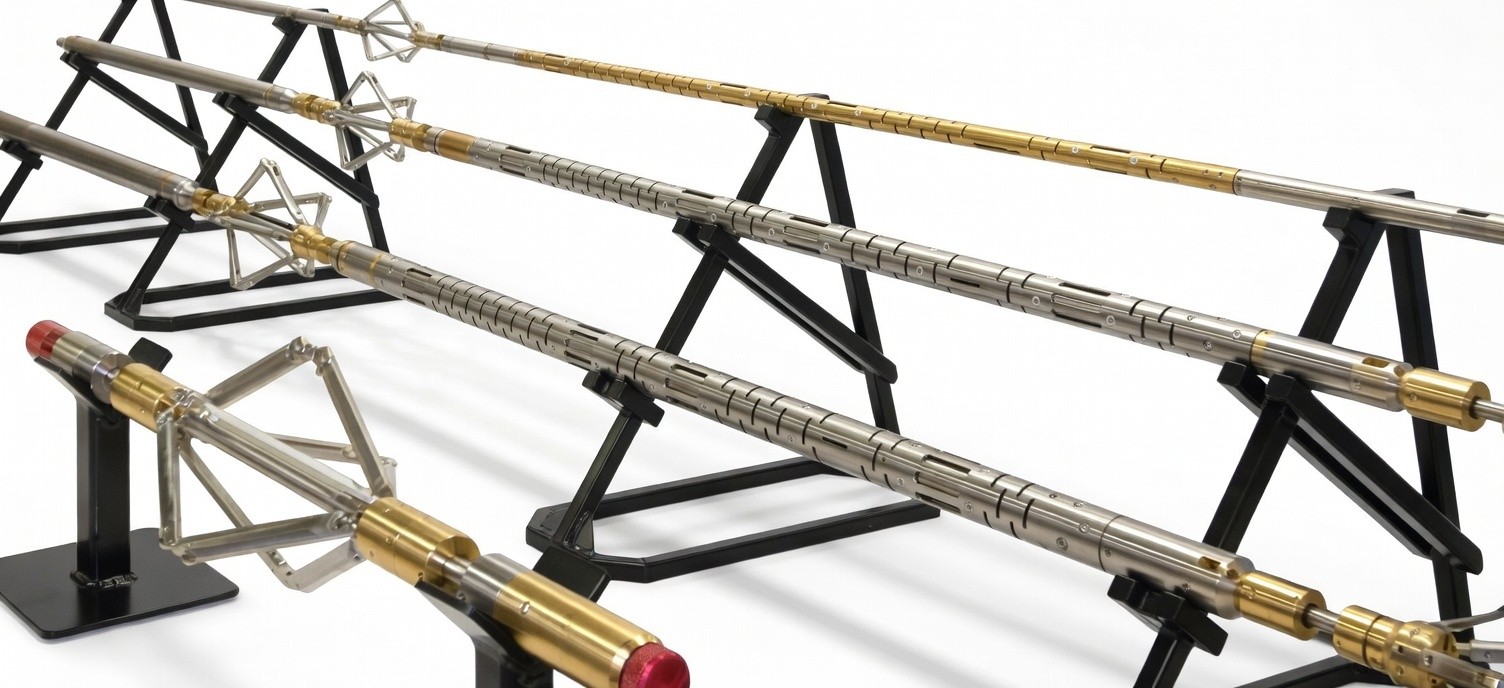
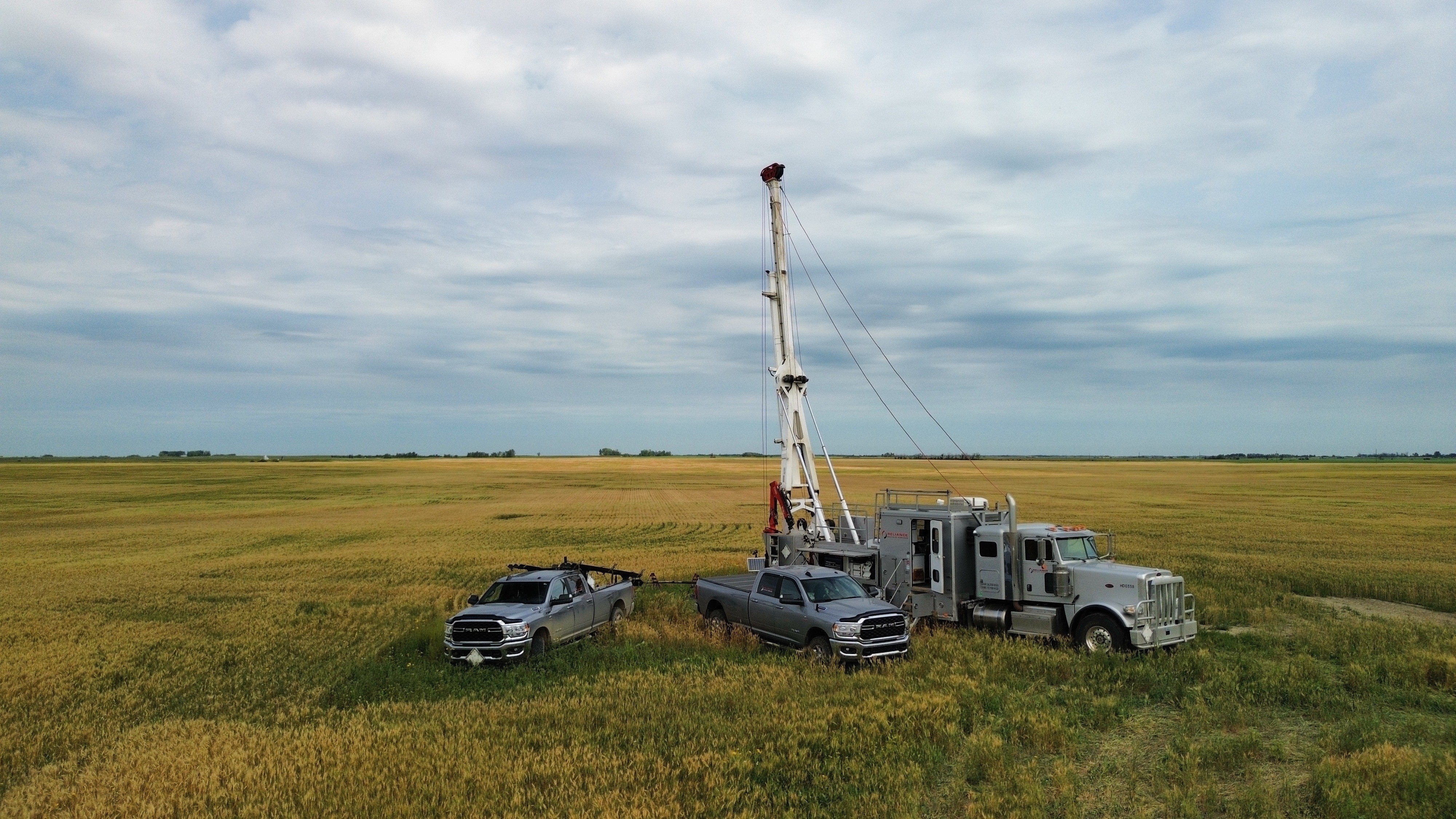
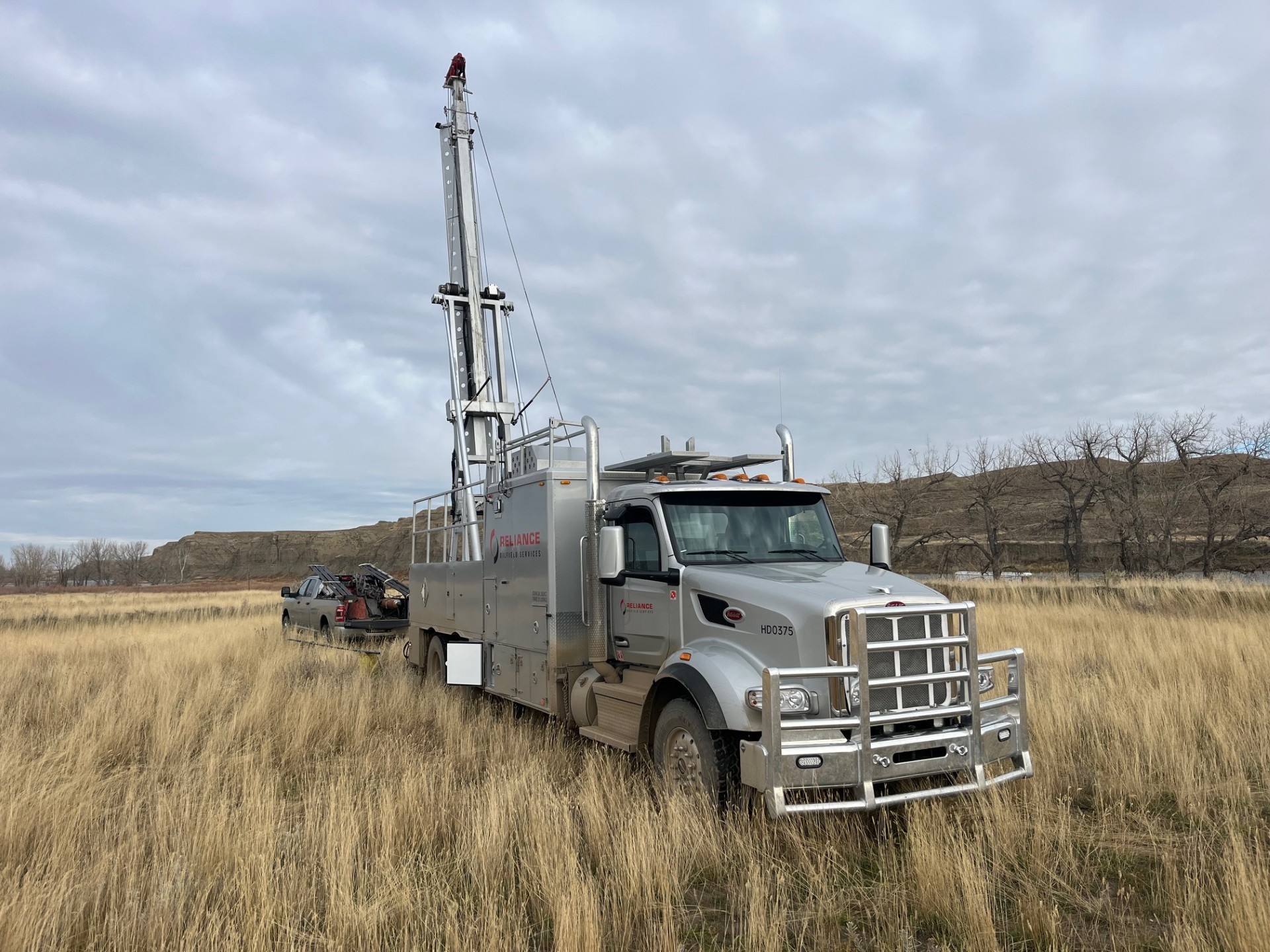
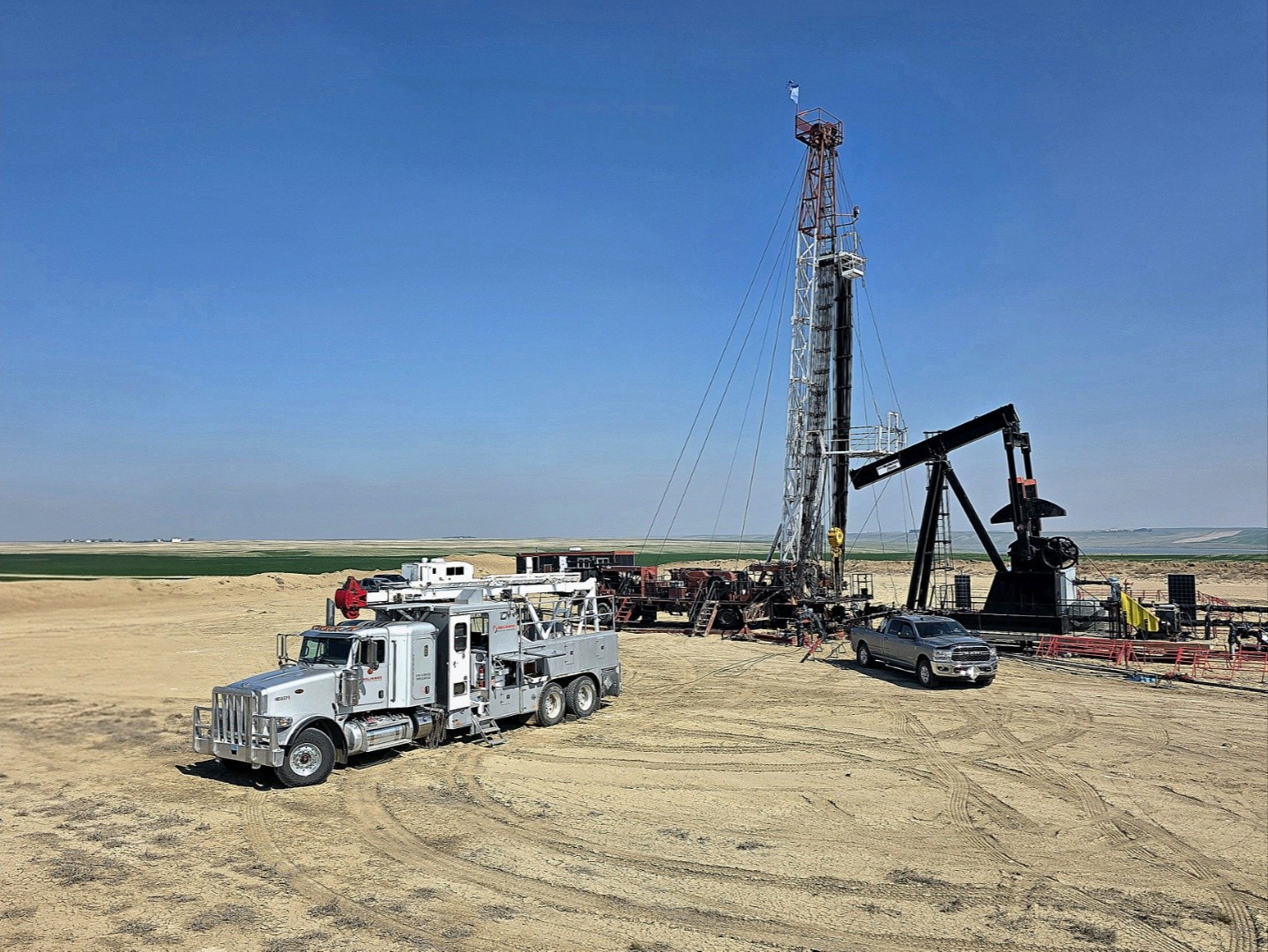
Our tools provide Cement Bond Log (CBL) amplitude, Variable Density Log (VDL) waveforms, and 360° radial cement mapping, with deployment through our extensive wireline fleet (conventional, mast, heli-portable units). HPHT (high pressure high temperature) rated designs ensure reliability in demanding environments, delivering regulator-ready data aligned with Alberta Directive 020 (Well Abandonment), Directive 087 (Well Logging), Saskatchewan PNG015, and BC guidelines.
Principle of Measurement
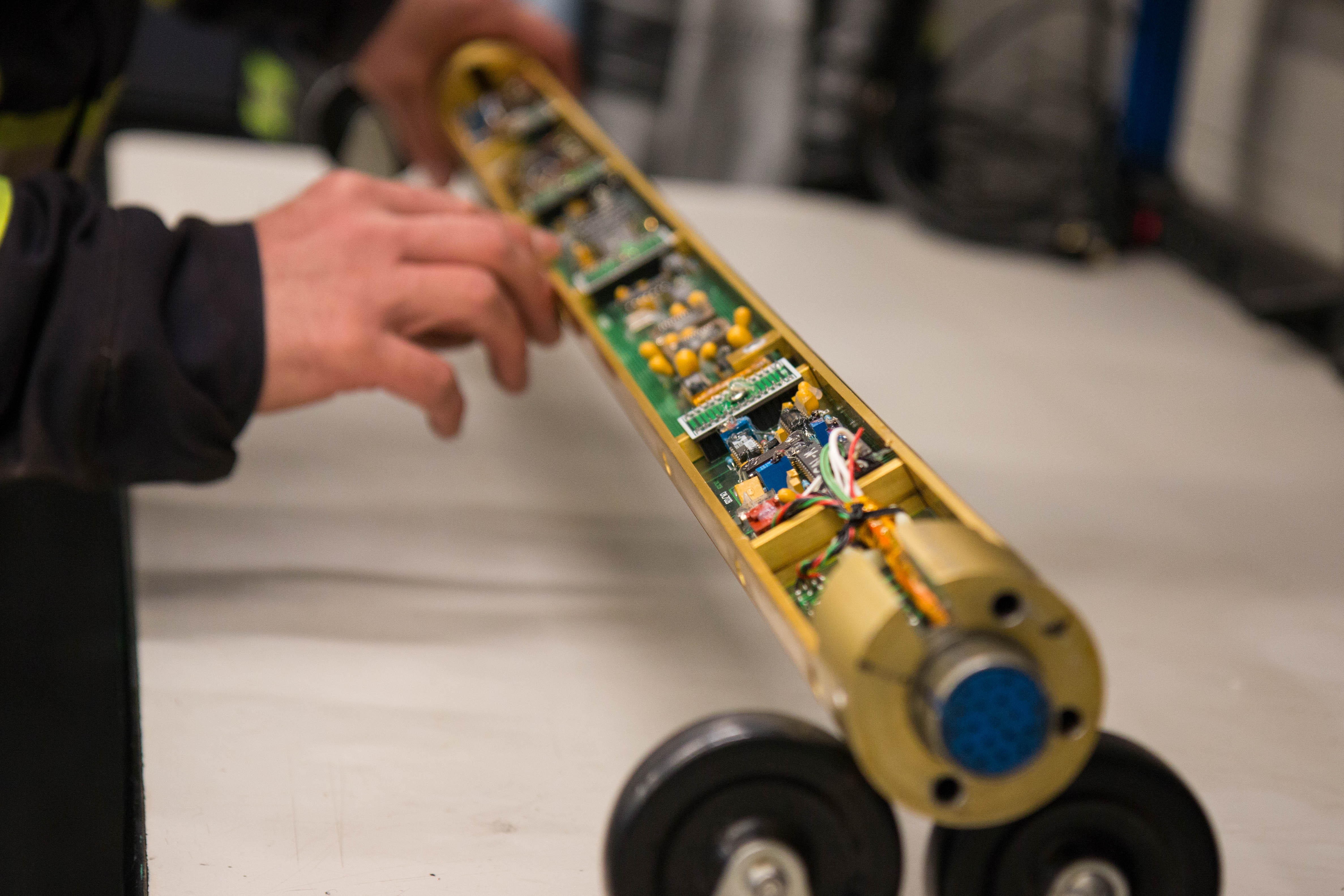
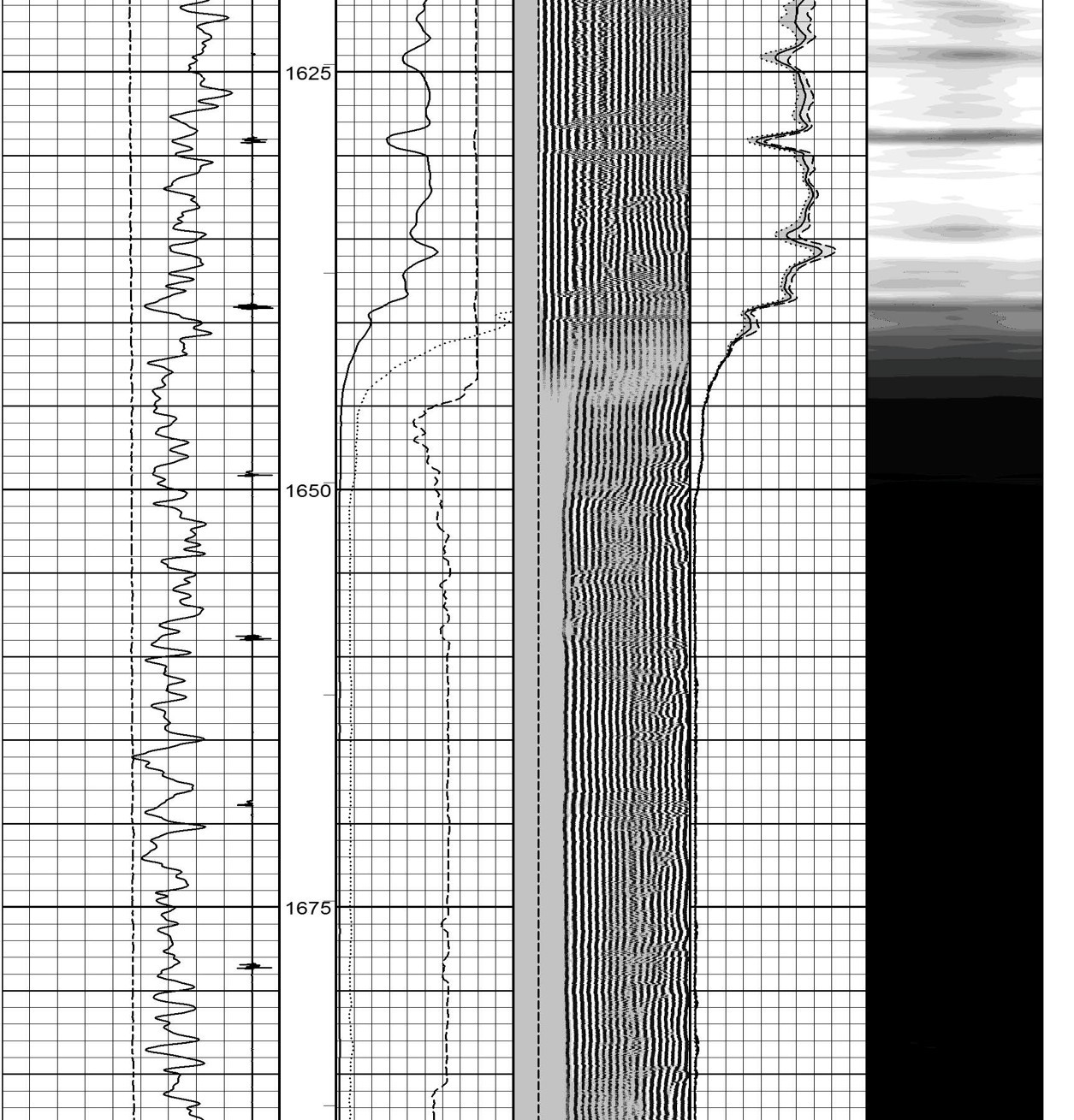
Cement bond log (CBL) tools emit a controlled acoustic pulse from a downhole transmitter. The pulse travels along the casing and into surrounding materials (cement and formation) providing feedback that is logged. The degree of energy attenuation and waveform alteration indicates bond quality:
In free pipe and poor bonded pipe, most energy travels within the steel casing, producing high-amplitude arrivals.
In a good cement bond, energy transfers efficiently into the cement through to the formation, resulting in significant pipe signal attenuation and formation arrivals.
Receiver Spacing & Measurements
Tools use multiple receivers at fixed distances from the transmitter:
Near Receiver (typically 3 ft spacing): Measures CBL amplitude (primary quantitative indicator of cement-to-casing bond) and travel time. High amplitude indicates poor bond whereas; low amplitude indicates good bond. Travel time suggests what waveform (pipe, formation, mud) triggers the system threshold.
Far Receiver (typically 5 ft spacing): Captures the full acoustic waveform, displayed as VDL (Variable Density Log). This provides qualitative insight into wave propagation, distinguishing free pipe (strong casing arrivals), good bond from cement to formation, partial bonds, channeling, or micro-annuli.
Radial / Segmented Bond Measurements
Localized channels or poor bonding in specific sectors.
Eccentric cement placement or partial circumferential coverage.
Non-uniform cement distribution that single-averaged measurements might overlook.
This is especially valuable in complex wells where conventional logs may mask or miss issues.
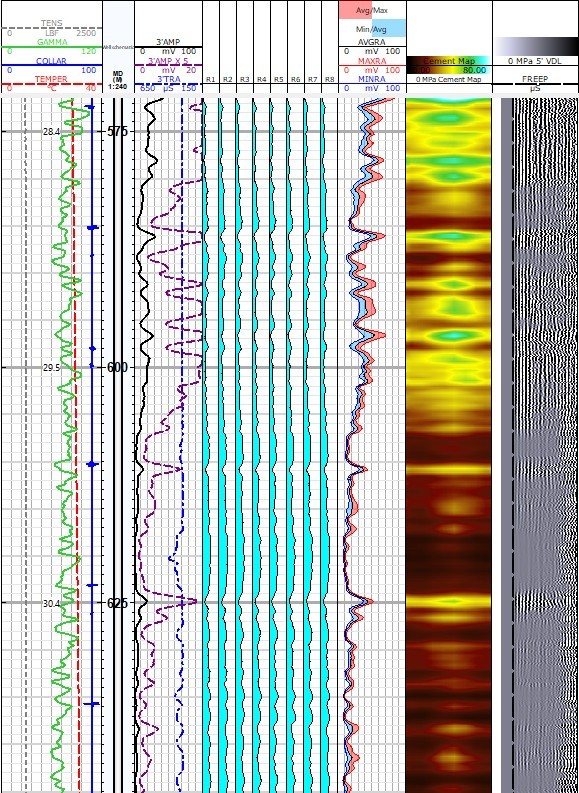
Data Interpretation
Interpretation combines multiple data streams for reliable results:
Amplitude (quantitative bond strength).
Travel time (first arrival detection).
VDL waveform patterns (qualitative assessment of arrivals and attenuation).
Radial cement bond log maps (circumferential uniformity and defect localization).
Factors considered include casing size/thickness, cement type/age, well conditions (temperature, pressure, deviation), and tool centralization. Experienced analysis utilizing proprietary software, ensures accurate identification of bond quality, isolation effectiveness, and remediation needs.
Inquire about CEMENT BOND LOGGING
Tool Specifications
Tool Model
OD (in / mm)
Radial Segments
Receiver Spacing
Max Temp (°C / °F)
HD-RIB (Radial)
114.0 mm / 4.5"
16
Near: 3 ft,
Far: 6 ft,
Radial: 2 ft
190°C / 375°F
HSR-35 (High-Speed Radial)
88.9 mm / 3.5"
12
Near: 3 ft,
Far: 5 ft,
Radial: 2 ft
204°C / 400°F
DSS 3.5" Radial
88.9 mm / 3.5"
12
Near: 3 ft,
Far: 5 ft,
Radial: 2 ft
204°C / 400°F
DSS 2.75" Radial
69.85 mm / 2.75"
8
Near: 3 ft, Far: 5 ft
177°C / 350°F
RADii™ 2.75"
69.85 mm / 2.75"
8
Near: 3 ft, Far: 5 ft
177°C / 350°F
CSS 3.125"
79 mm / 3.125"
8
Near: 3 ft, Far: 5 ft
177°C / 350°F
RBT3 / RBT1-16 Slim-Hole
43 mm / 1-11/16"
6
Near: 3 ft, Far: 5 ft
177°C / 350°F
RBT4 3.125"
79 mm / 3.125"
8
Near: 3 ft, Far: 5 ft
177°C / 350°F
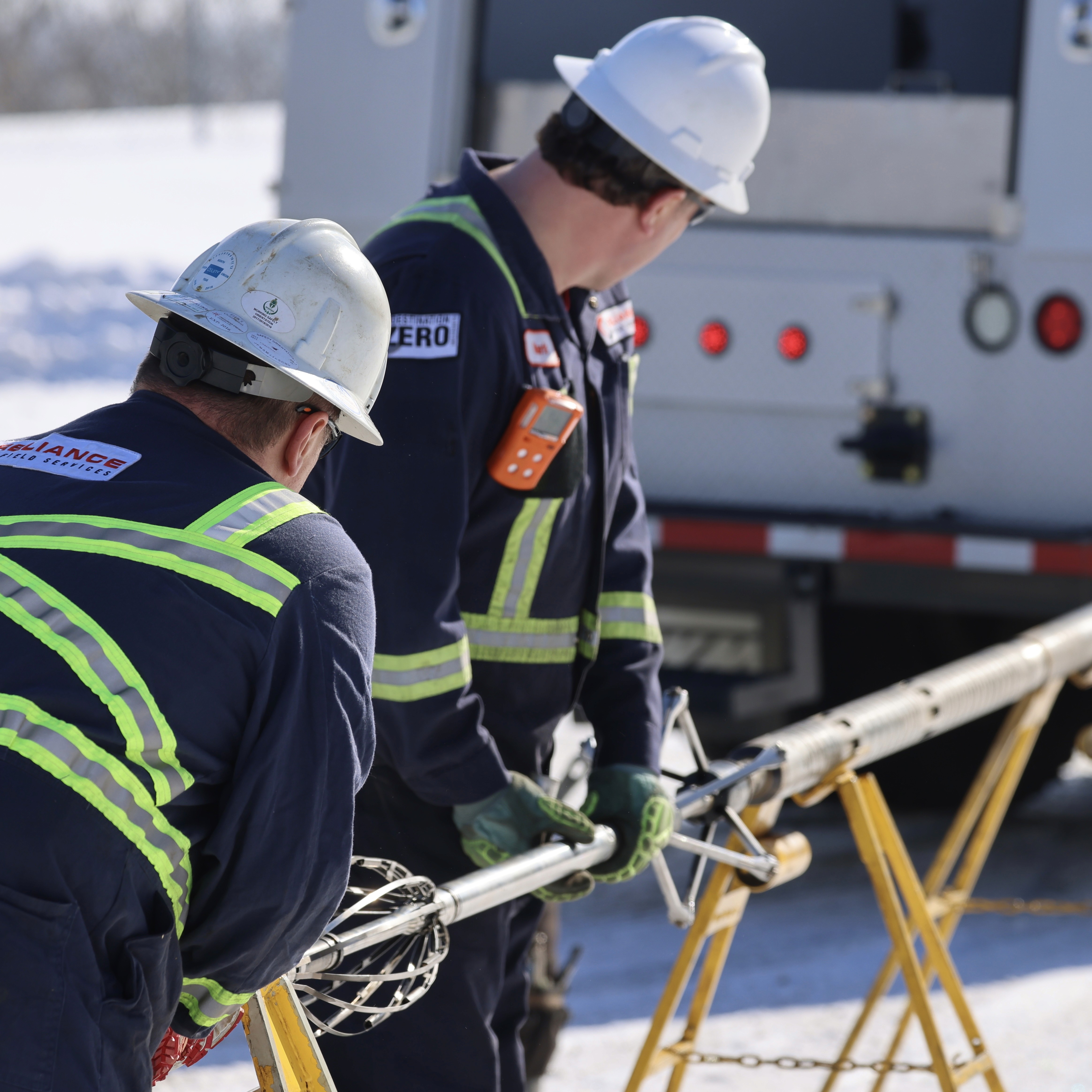
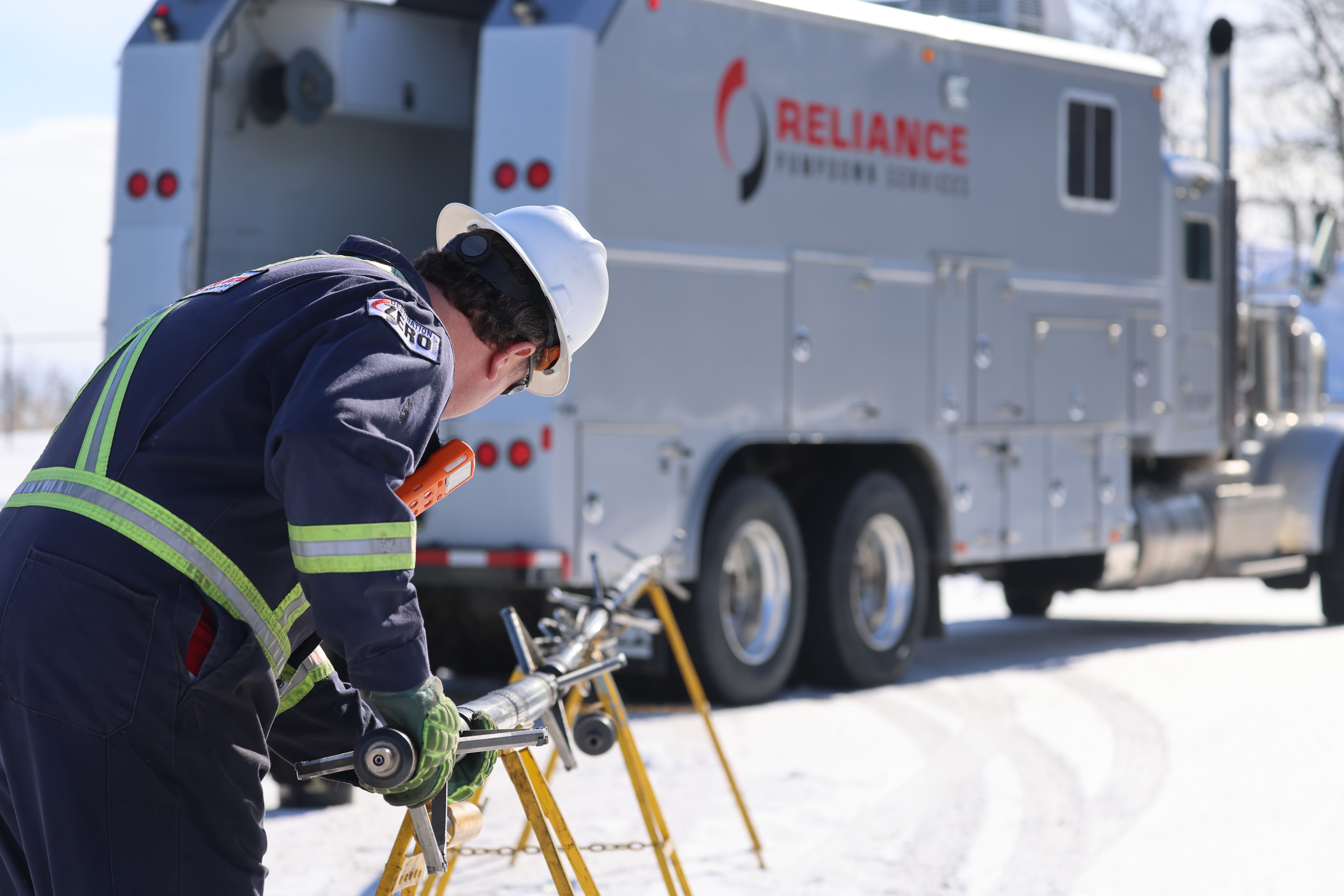
With proven expertise across Western Canada and thousands of successful cement bond logs delivered in Alberta, Saskatchewan, British Columbia, Manitoba, Yukon, and the Northwest Territories, Reliance brings unmatched regional knowledge to every job. Our extensive wireline fleet, strategically positioned for rapid response, offers flexible tool options for every application, from slim-hole through-tubing tools to high-resolution 12-segment radial systems (including HPHT-rated configurations for harsh environments), ensuring the right technology for your casing size, well conditions, and diagnostic needs, delivering accurate, regulator-ready results that minimize rework and accelerate compliance.

Inquire about CEMENT BOND LOGGING