Compensated Neutron Logging
Through-Casing Porosity & Gas Detection
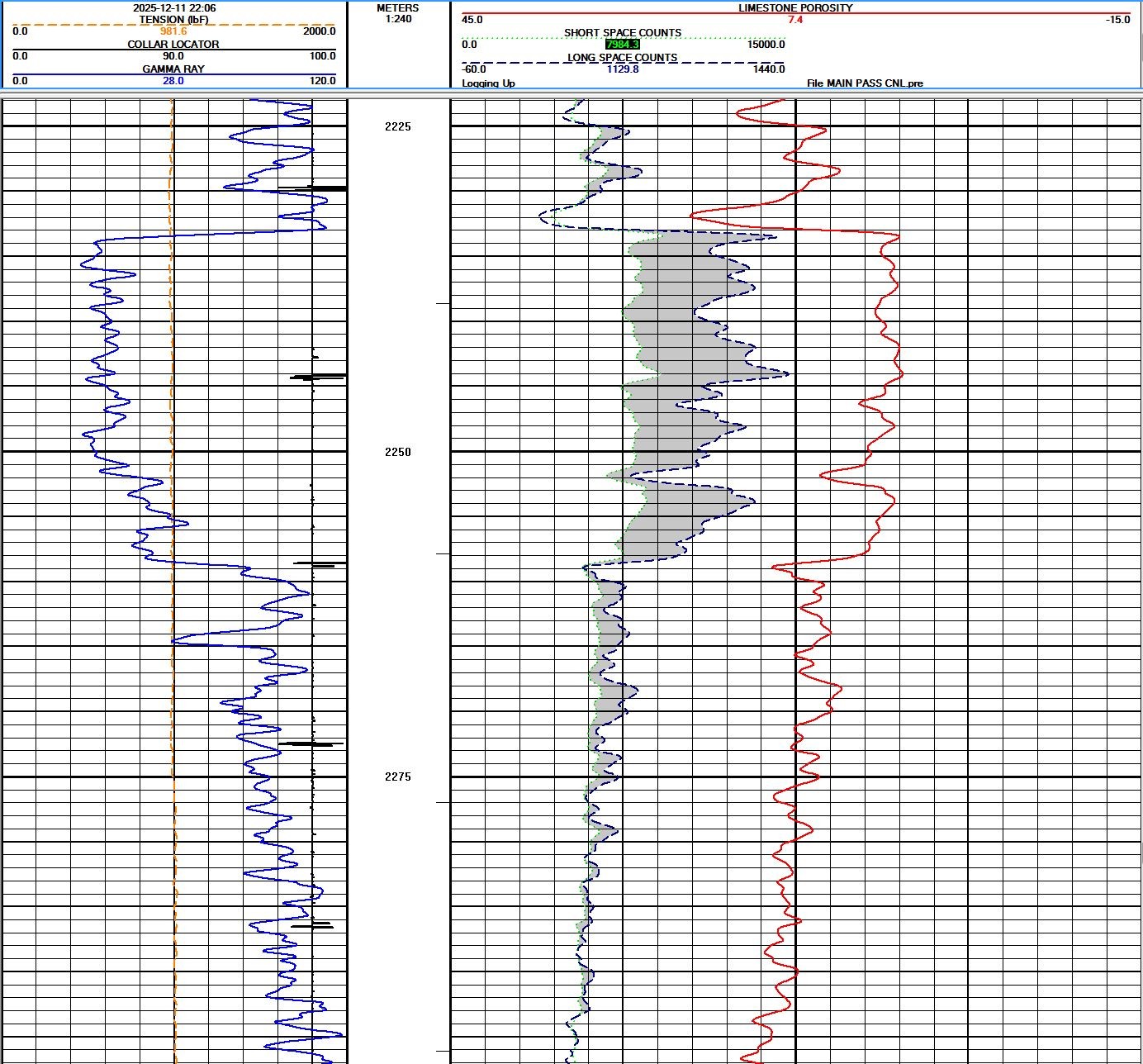
Compensated Neutron Logging (CNL) measures the hydrogen content of formations to deliver accurate porosity data through casing and cement in oil and gas wells. CNL is particularly effective for gas identification, as gas-bearing zones exhibit significantly lower apparent porosity due to reduced hydrogen index compared to liquid-filled formations.
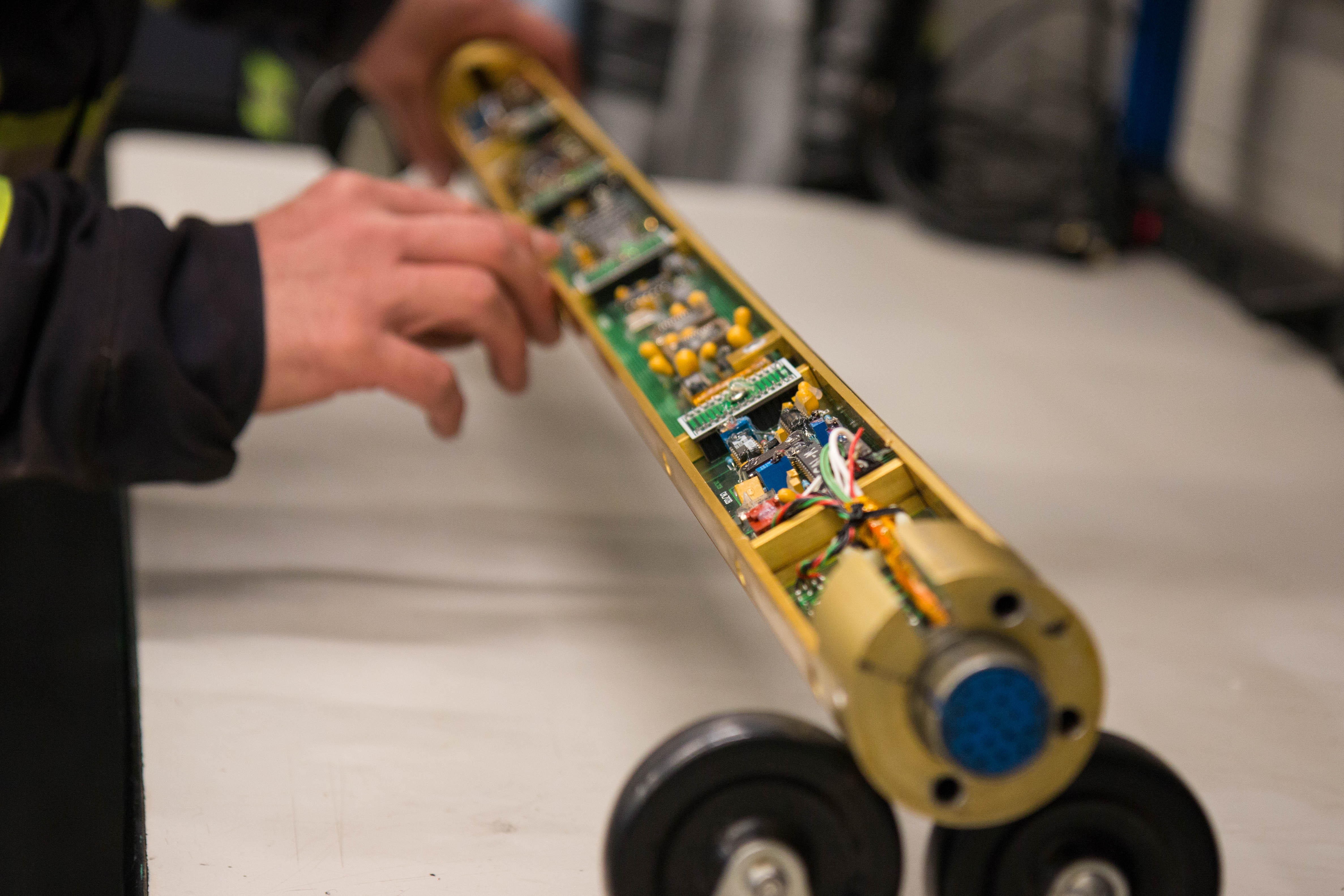
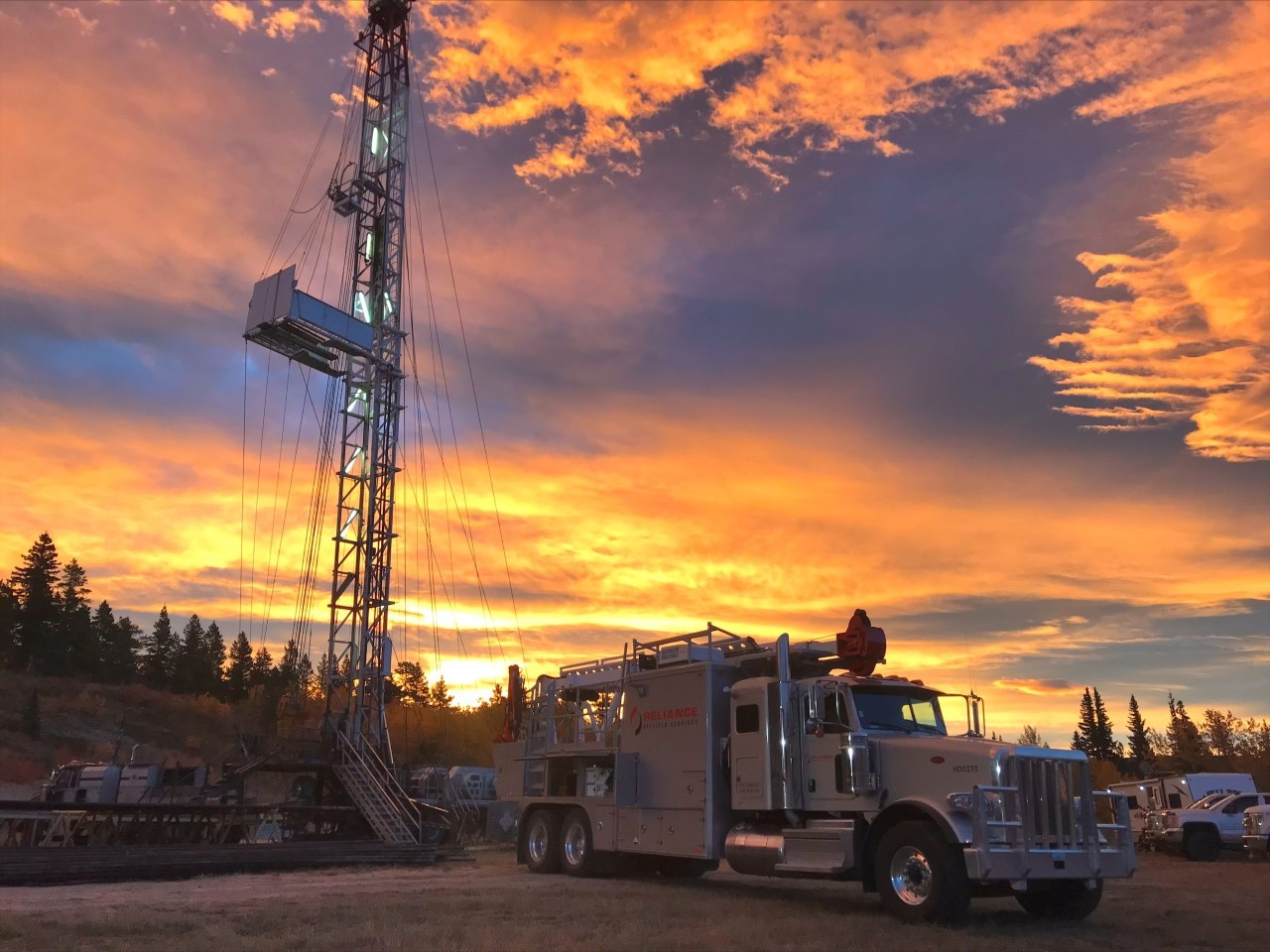
At Reliance Oilfield Services, our slim-hole CNL tools provide stand alone compensated neutron porosity measurements. Producers across Manitoba, Saskatchewan, Alberta, British Columbia, Yukon, and the Northwest Territories rely on our CNL data to evaluate formation porosity behind pipe, identify gas-bearing intervals, and support reservoir characterization in cased-hole environments.
How Compensated Neutron Logging Works:
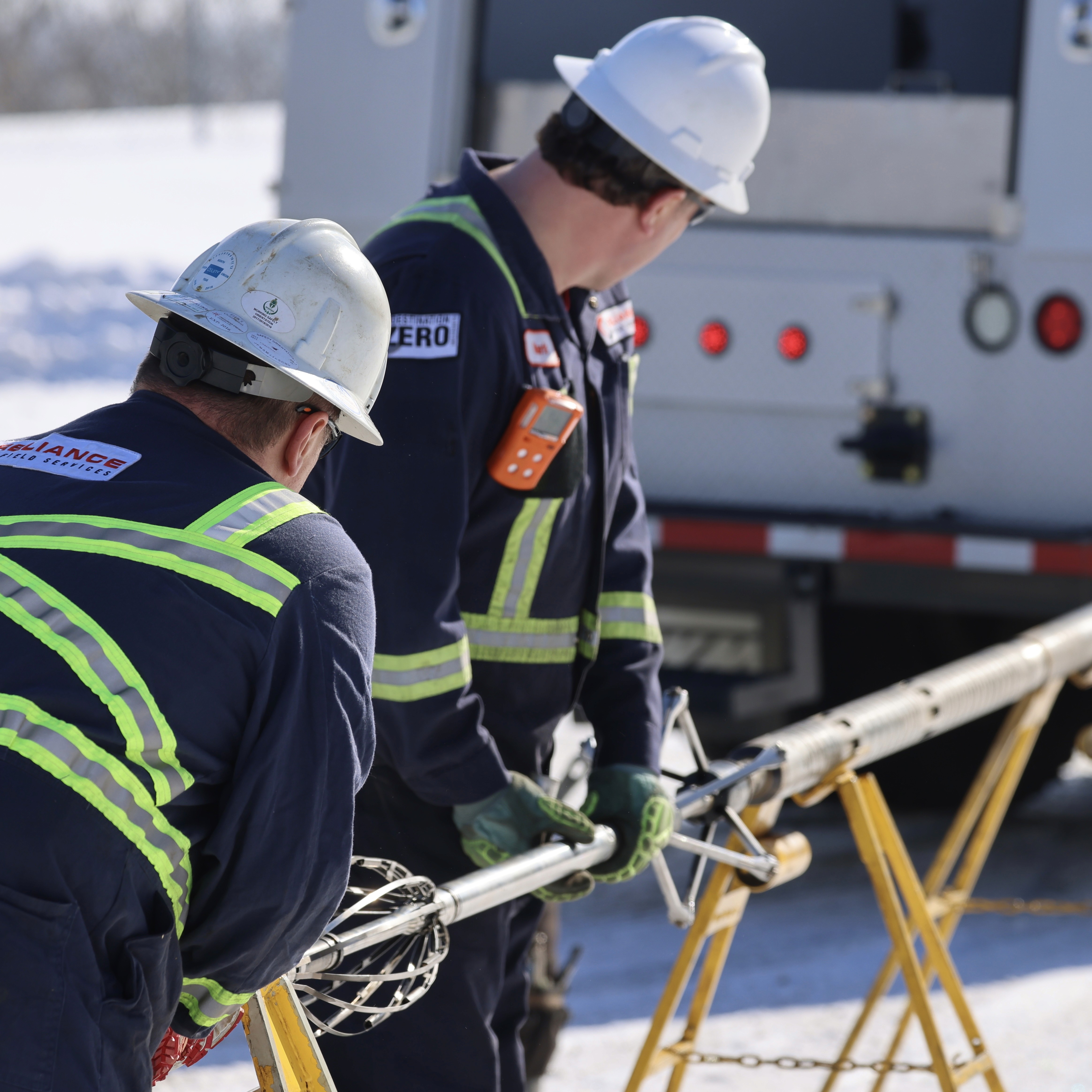
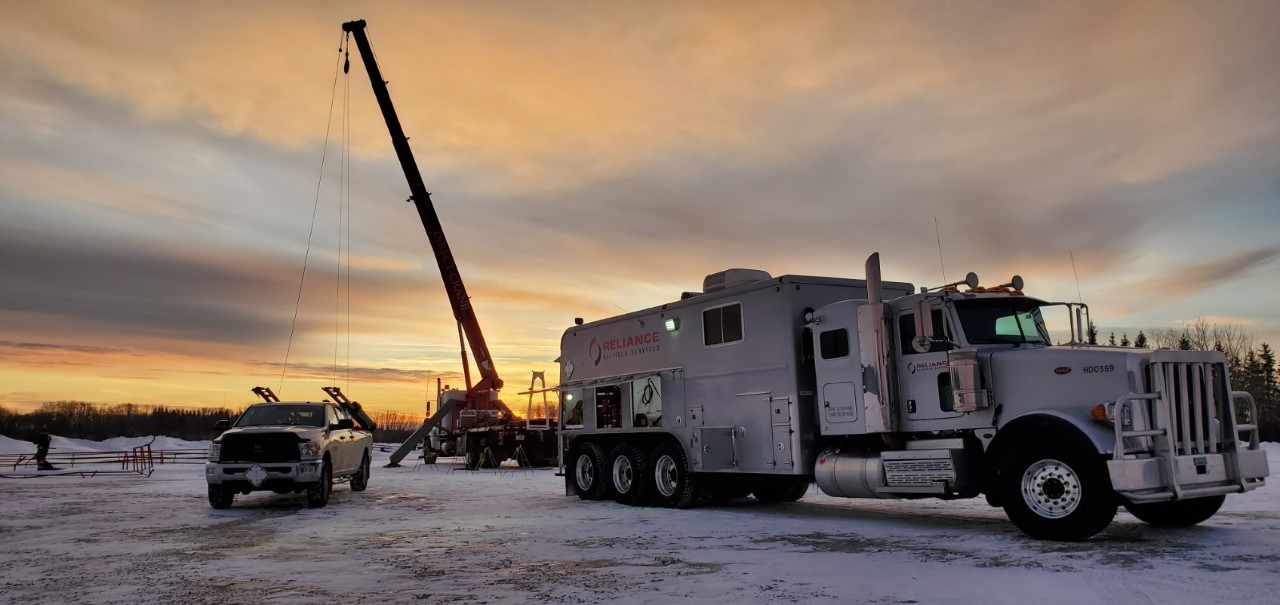
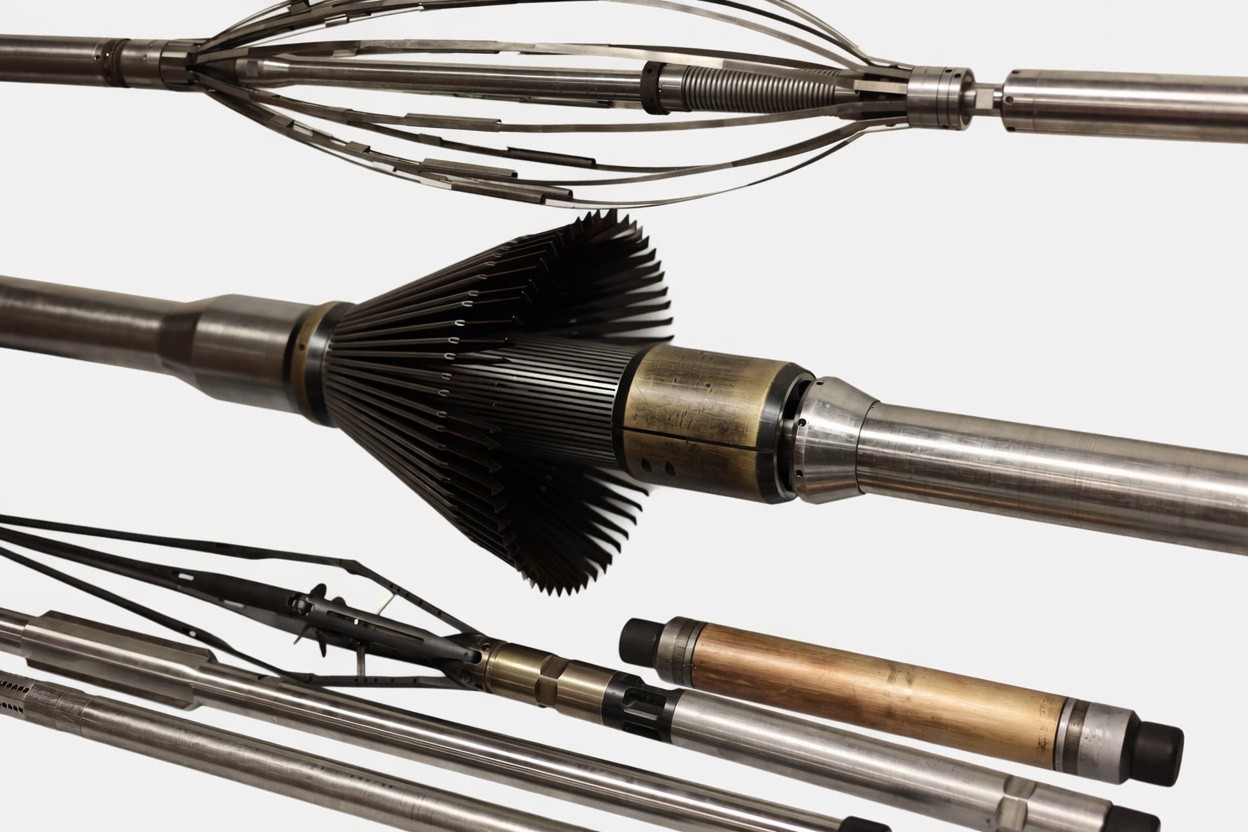
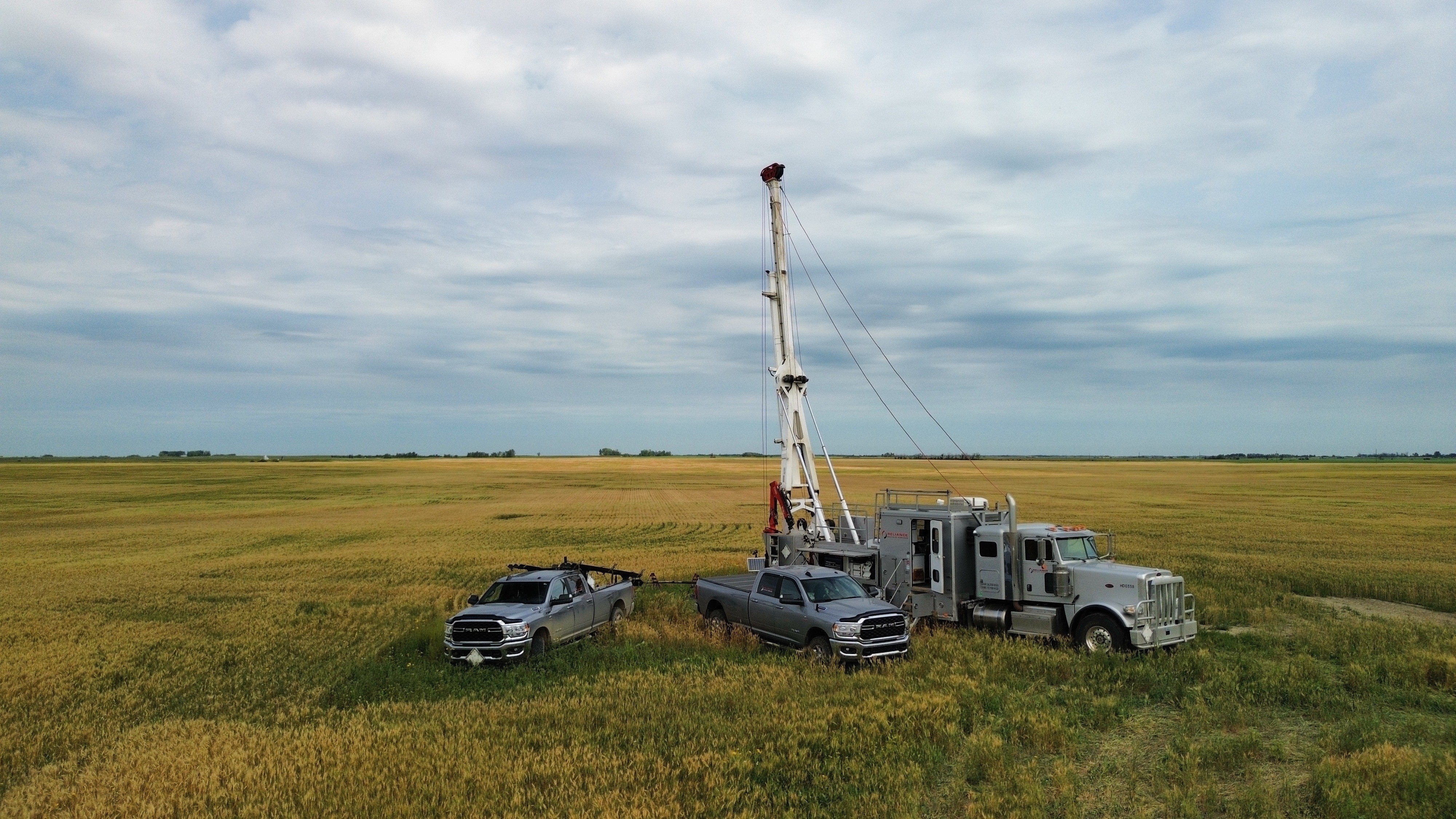
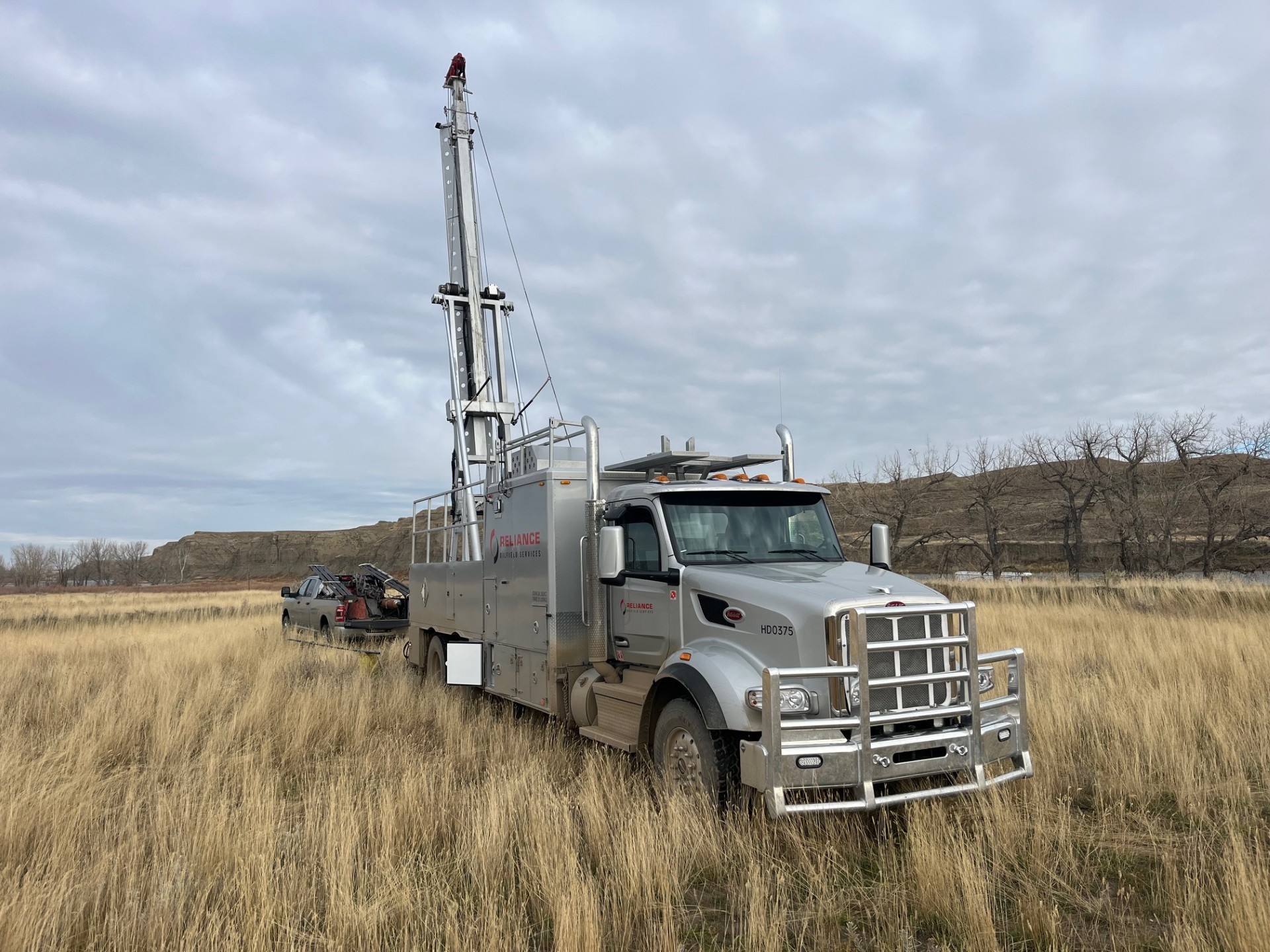
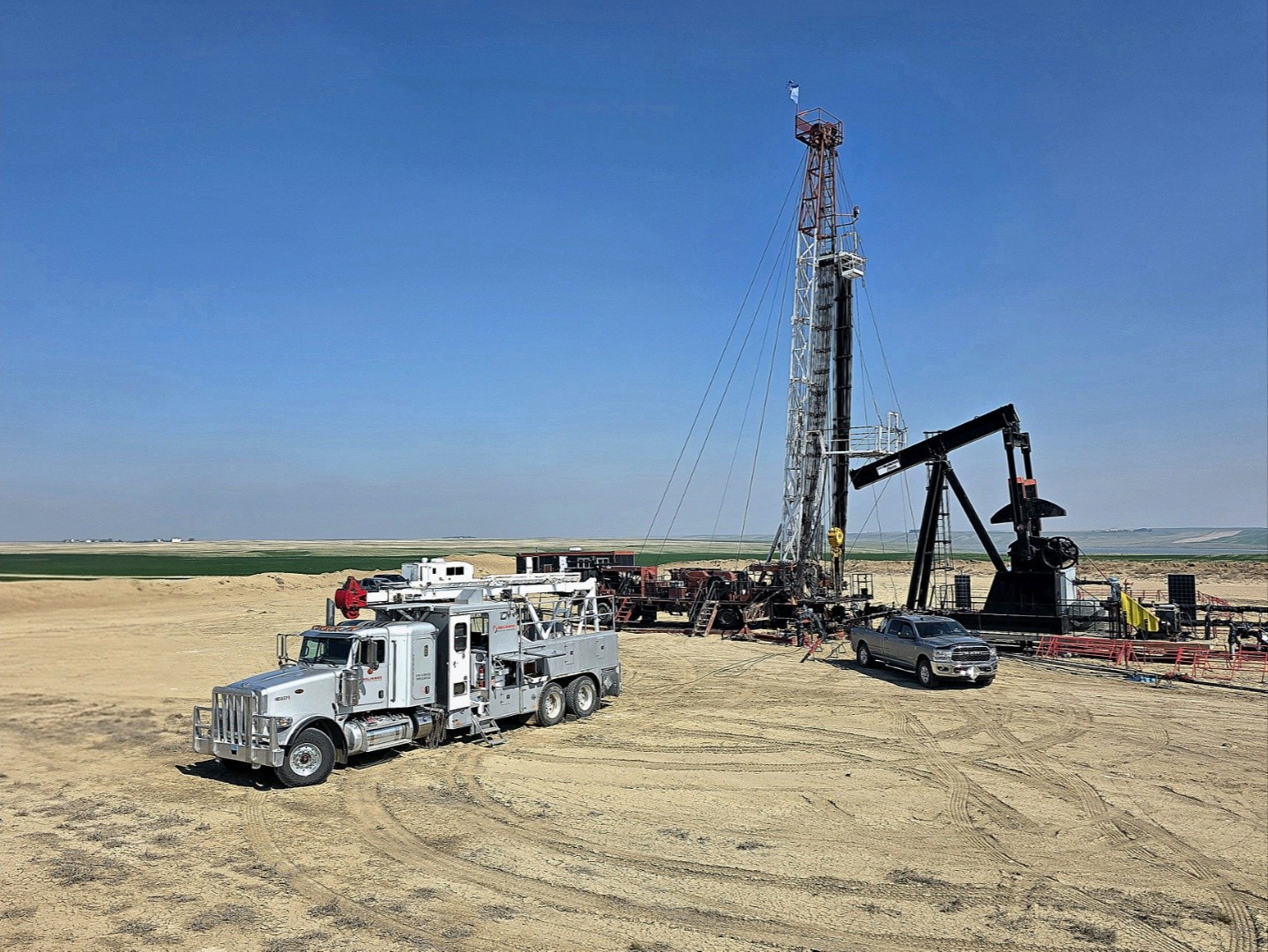
Wireline Deployment - Slim 43 mm (1-11/16") tools conveyed via electric line, slickline, heli-portable wireline units (for remote sites) or coil tubing (E-coil or memory).
Neutron Emissions - A controlled radioactive source emits high-energy fast neutrons into the formation surrounding the cased wellbore.
Neutron Thermalization - Neutrons slow down primarily through collisions with hydrogen atoms in formation fluids found in pore spaces (water, oil, or gas).
Dual-Detector Compensation - Near and far detectors measure thermal neutron populations at different spacings; the ratio minimizes borehole effects such as casing thickness, cement quality, and fluid type.
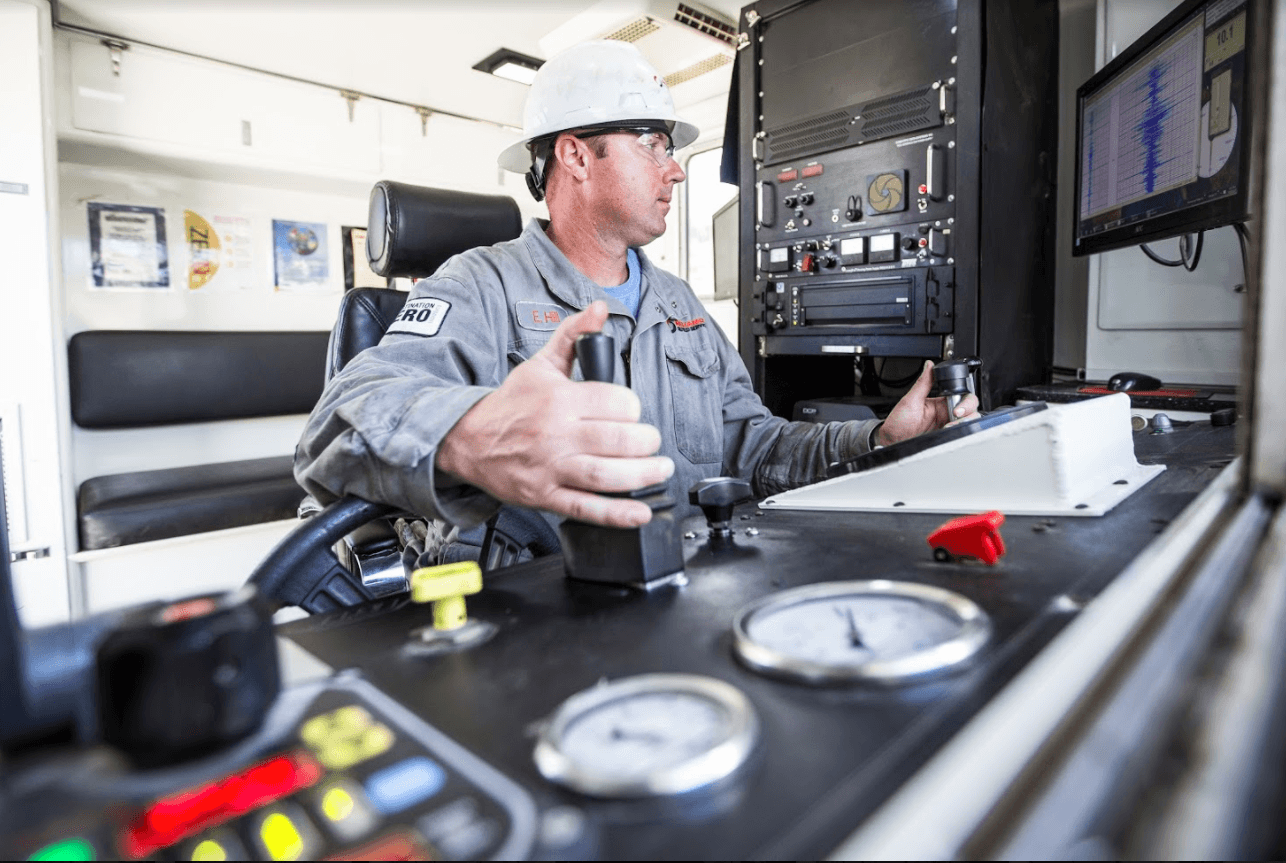
Data Conversion & Analysis - Signals are processed in real time or memory mode and converted into calibrated sandstone, limestone or dolomite porosity curves, and can be integrated with other logs or in our visualization software for clear, actionable insights.
Tool Specifications
Parameters
Diameter
Pressure Rating
Temperature Rating
H₂S/CO₂ Rated
Modes
What Compensated Neutron Logging Identifies:
Thermal neutron porosity and hydrogen content behind casing
Gas-bearing zones and annular gas storage or migration paths
Lithology indicators and shale volume estimation when paired with Gamma Ray data
Bypassed pay zones or reservoir changes in mature/inactive wells
Support for workover planning and production optimization
Key Advantages
Accurate Through-Casing Porosity - Neutrons penetrate steel and cement to evaluate true formation hydrogen index where open-hole data is unavailable.
Reliable Gas Detection - Gas zones produce distinctly lower apparent porosity readings (lower hydrogen index), enabling clear differentiation from liquid-filled intervals.
Borehole Compensation - Dual-detector design reduces sensitivity to casing, cement, borehole size, and fluid variations for reliable, repeatable results.
Slim-Hole & Rigless Efficiency - Through-tubing deployment cuts costs, rig time, emissions, and operational footprint, ideal for cased-hole diagnostic campaigns.
Regulatory Alignment - Provides verifiable porosity data that supports Alberta Directive 020, Directive 087 (ID-2003), Saskatchewan PNG015, BC Well Decommissioning Guidelines, and liability management frameworks (LCA/LLR).
Seamless Integration - Runs alongside Gamma Ray, CCL, Temperature, Cement Bond Logs, for comprehensive formation evaluation.
Logging Expertise & Full-Suite Support
Our dedicated 24/7 team of wireline logging specialists and in-house log analysts are always on call to deliver precise CNL data across Western Canada. We provide real-time interpretation, rapid troubleshooting, and immediate response day or night.