Gamma Ray Logging
Gamma Ray Logging - Precision Depth Control for Every Wireline Run
Gamma Ray (GR) logging is one of the most versatile and widely used tools in wireline operations, serving as a foundational measurement across virtually every phase of well evaluation, intervention, completion, and abandonment. At Reliance Oilfield Services, our high-resolution Gamma Ray tools are integrated into nearly all wireline runs , providing reliable depth correlation, lithology identification, and formation insights that enhance accuracy, reduce risks, and ensure regulatory compliance in Western Canadian wells.
The gamma ray(GR) tool is passive, working to detect naturally occurring gamma radiation from subsurface formations (primarily decaying isotopes: potassium-40, uranium, and thorium) without emitting energy. This produces a continuous gamma ray well log in API units, where:
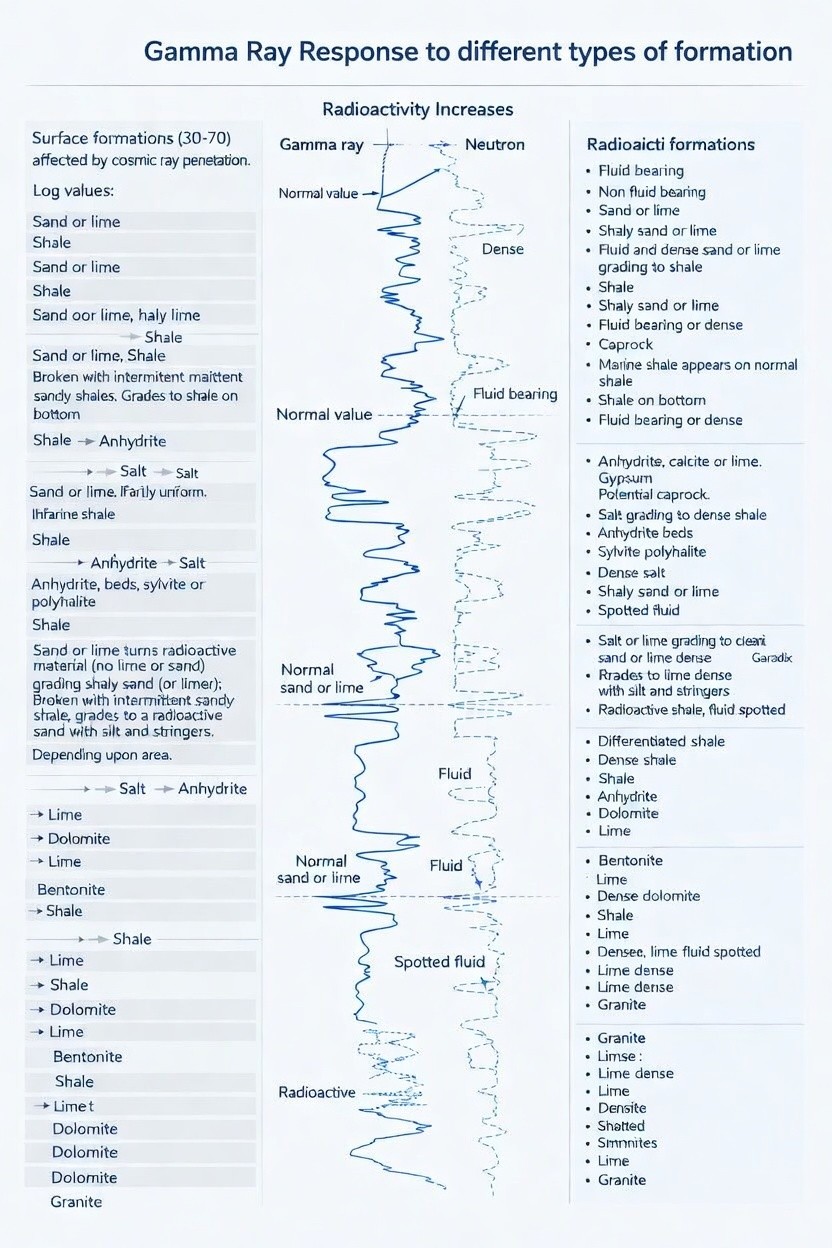
> High GR values typically indicate shales, clays, or radioactive zones (higher concentrations of radioactive elements).
> Low GR values indicate cleaner sands, carbonates, or salts.
Gamma Logging + Casing Collar Locator for a Full Picture
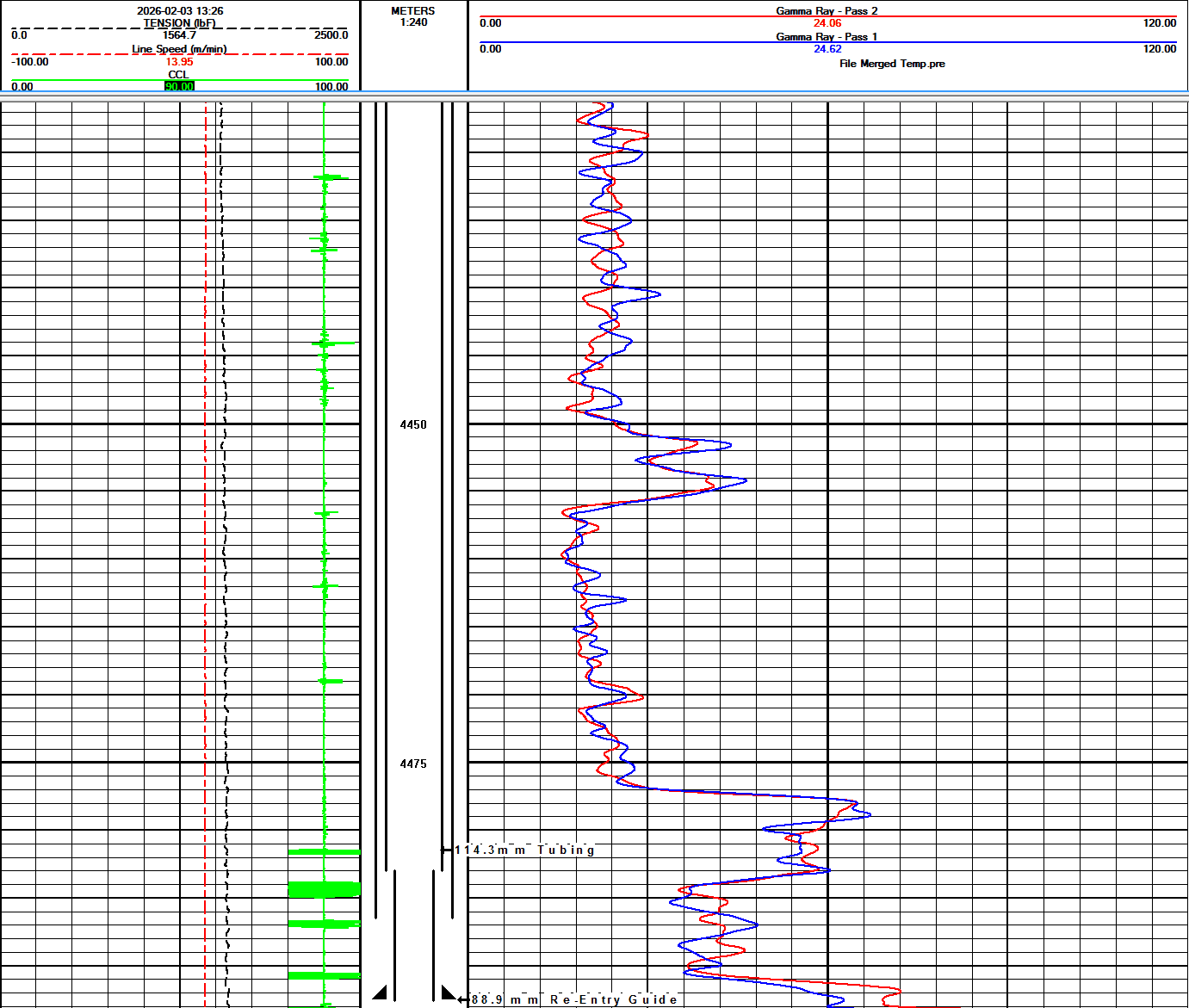
Pairing the gamma ray tool with a Casing Collar Locator (CCL), which senses magnetic flux changes at collar joints for sharp "kicks" on the log, GR + CCL eliminates depth offsets, matches cased-hole data to open-hole baselines, and ensures interventions hit exact targets, preventing misplacements, rework, failed barriers, or compliance issues.
Whether in open hole, cased hole or through-tubing setups Gamma Ray logging is almost always included to tie logs to known references, correlate between runs or wells, and support precise decision making. Paired with a Casing Collar Locator (CCL), it delivers unmatched depth control, critical for logging, perforating, plug setting, cement squeezes, zonal isolation, and plug and abandonment (P&A).
Key Applications in Every Wireline Operation
Depth Correlation & Reference: GR + CCL anchors logs to casing collars and matches formation signatures to open-hole baselines, eliminating depth offsets between runs, vital for accurate perforating, bridge plug placement, and barrier verification in abandonment.
Lithology & Shale Identification: Measures natural radioactivity (from potassium, thorium, uranium) to distinguish shales (high GR) from cleaner sands/carbonates (low GR), estimating shale volume and identifying potential gas sources or barriers.
Well-to-Well & Run-to-Run Correlation: Characteristic GR patterns enable consistent formation matching across wells or multiple logging passes.
Cased-Hole Formation Evaluation: Penetrates casing to detect behind-pipe gas storage, nuisance sources, or lithological changes, often combined with neutron, density, or CHAT for comprehensive behind-pipe insights.
Barrier & Integrity Verification: In abandonment, GR helps locate shale barriers, confirm zonal isolation, correlate cement tops, and verify plug placement, aligning with AER Directive 020, Saskatchewan PNG015, and BC guidelines.
Tracer & Scale Detection: Identifies radioactive scale buildup or monitors tracers in production logging and intervention runs.
Positioning Tubing Conveyed Perforating (TCP) or Packer/Tail Pipe Assemblies: GR + CCL provides precise depth control for TCP gun strings, packer setting, and tail pipe assemblies, ensuring guns, packers, or other completion components are accurately positioned relative to formation targets and open-hole references.
Combinability Across Services: Stacks seamlessly with CVT, noise temperature, radial cement bond logs, CHAT, perforating guns, isolation tools, and more, delivering full well profiles in single runs for efficiency.
How Gamma Ray Logging Works (with CCL Integration)
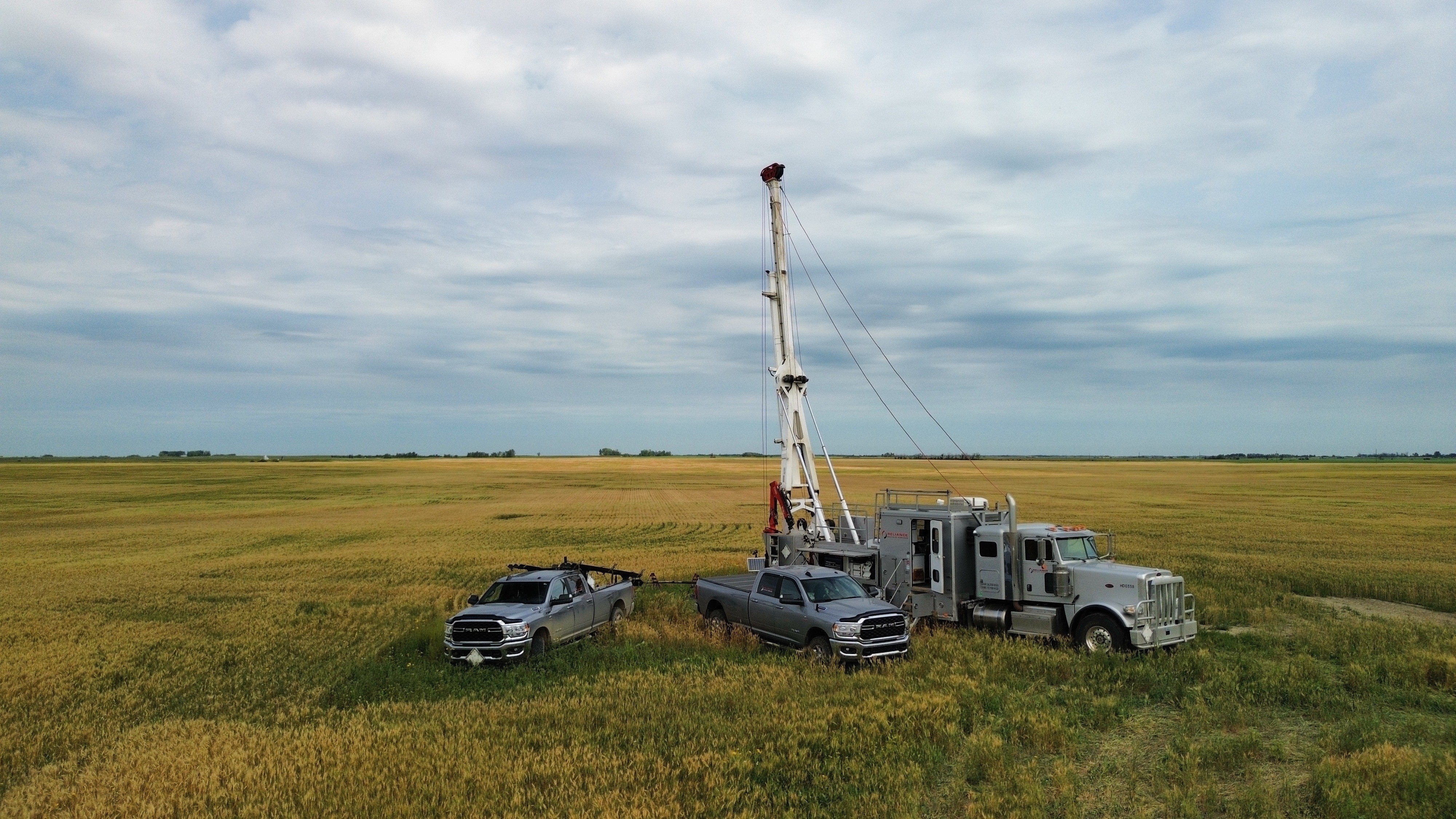
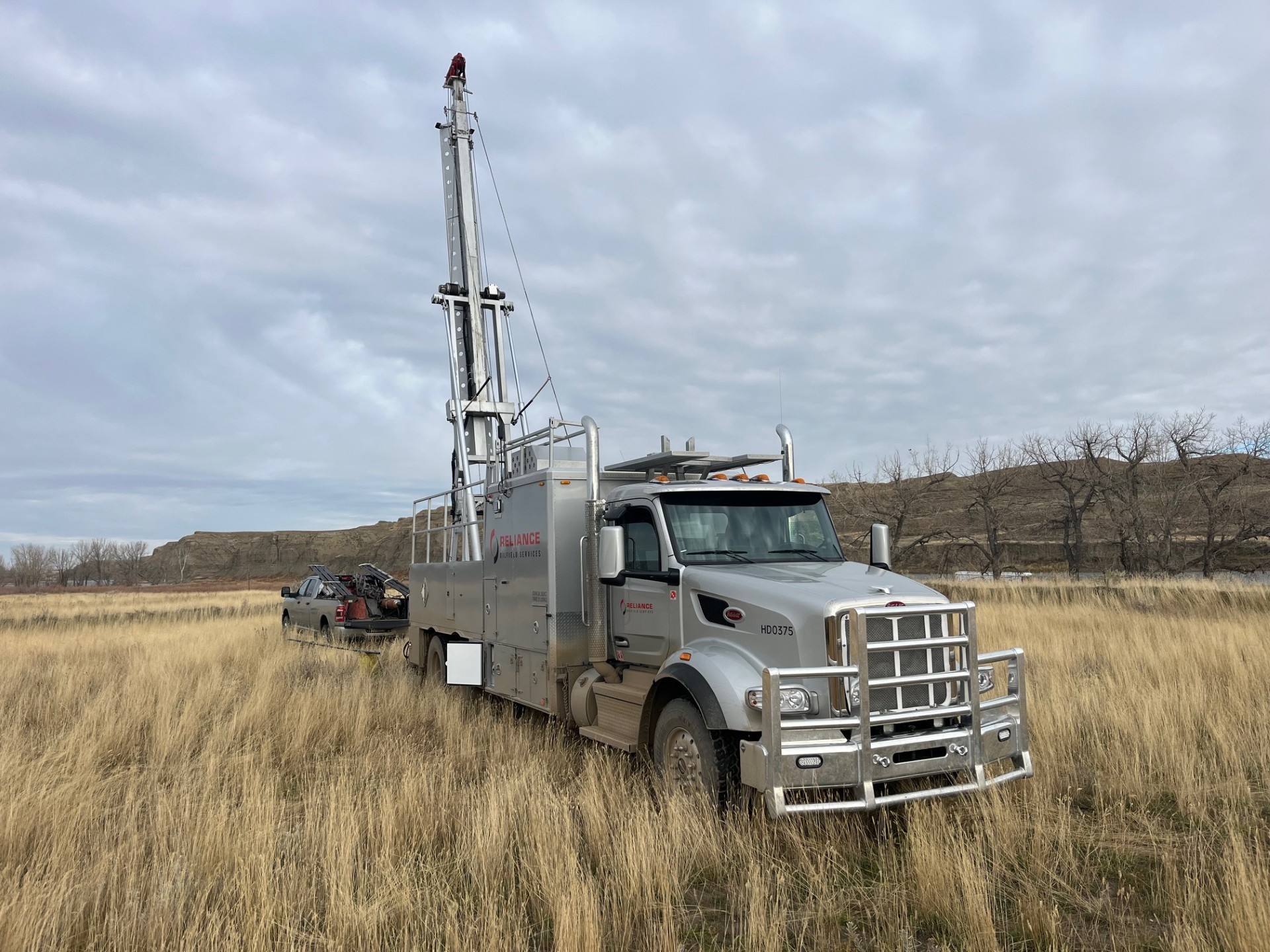
Flexible Deployment: SRO or Memory on Electric Line, Slickline, Fiber Optics or Coil tubing
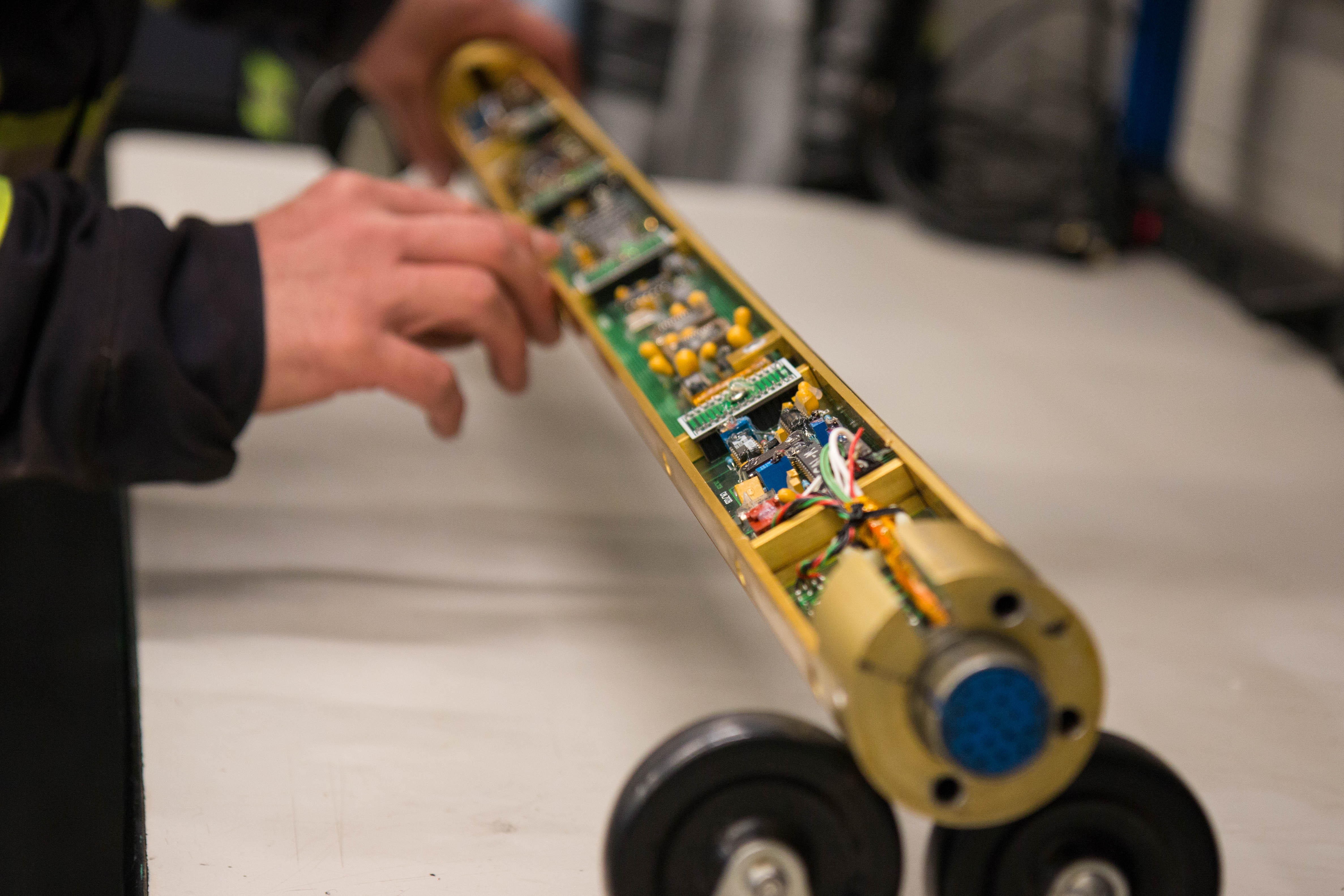
Wireline or Coil Tubing Deployment: Slim tools1 -11/16"/43mm to 3-1/2"89mm tools conveyed via electric line, slickline, fiber optics or coil tubing (E-coil or memory).
Gamma Detection: Scintillation detector captures natural gamma rays from formations, even through multiple casing strings.
CCL Detection: Electromagnetic sensor identifies collar "kicks" for precise tubular referencing.
Real-Time/Memory Acquisition: The GR curve (and CCL kicks) are plotted in the field on digital logging units or field prints, displayed as a continuous trace, alongside other curves like CCL for immediate quality control, correlation checks, and on-site decisions during the run.
Correlation processed for curve overlays, lithology logs, and actionable visuals.
Inquire about GAMMA RAY LOGGING
Tool Specifications
Parameters
Specification
Diameter
Pressure Rating
Temperature Rating
H₂S/CO₂ Rated
Modes
Detector Type
Vertical Resolution
Logging Speed
Combinability
Key Advantages
Universal Utility - Included in most wireline strings for baseline correlation, enhancing every operation from evaluation to decommissioning.
Precision & Compliance: Ensures exact depth control to minimize rework, failed barriers, and liabilities—strengthening LCA/LLR ratings and accelerating reclamation.
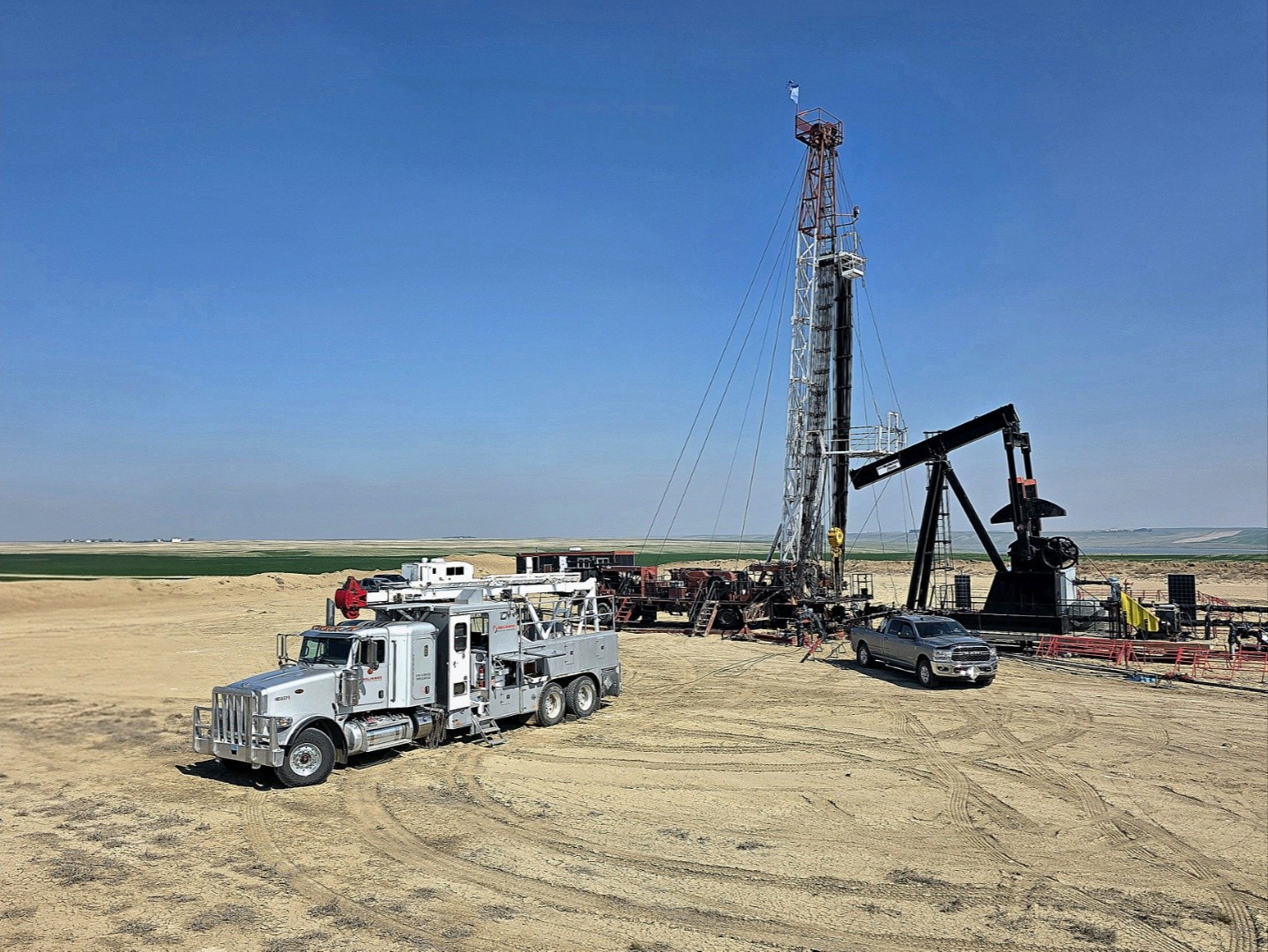
Cost & Time Savings: Rigless (wireline mast unit), through-tubing design reduces downtime, emissions, and footprint in Plug and Abandonment (P&A) campaigns.
Enhanced Diagnostics: Complements CVT for SCVF/GM pinpointing, radial bond logs for cement quality, CHAT and more.
Reliable Results: Verifiable data for regulator-ready outcomes, turning inactive wells into compliant assets faster.
What Gamma Ray Logging Enables Across Wireline Services
Accurate depth placement in perforating, squeeze jobs, and plug setting
Lithology boundaries and shale content for zone selection/isolation
Behind-pipe gas/migration detection and nuisance source identification
Correlation in cased-hole for abandonment verification and multi-string evaluation
Post-intervention confirmation of integrity and barrier effectiveness
Inquire about GAMMA RAY LOGGING