
abandonment Perforating
Abandonment Perforating – Custom Engineered for Your Perforating Needs
Surface Casing Vent Flows (SCVF) and Gas Migration (GM) often result from micro-annuli, channeling, or poor cement bonds, creating pathways for unwanted gas/fluid communication behind pipe. Effective remediation and permanent abandonment require perforations that precisely intersect channels or formation porosity, provide optimal access for cement squeeze, and preserve casing integrity for long-term zonal isolation and regulator-ready barriers.
At Reliance Oilfield Services, we start with your well data and objectives, reviewing diagnostics (CVT for source pinpointing, CHAT for formation and annular gas location, Radial Bond Log for cement quality), casing/annular conditions, and regulatory requirements (AER Directive 020/087, Saskatchewan PNG015, BC guidelines). We then collaborate directly with our customers and leading perforating gun/energetics manufacturers to engineer a custom gun system tailored to deliver the best results.
This includes selecting and configuring:
Shot density and phasing for targeted channel or formation porosity coverage
Charge types (big-hole for enhanced cement flow, limited penetration to minimize outer string damage, deep-penetrating for multi-string access and good-hole for optimal balance)
Circulation/puncher options for uniform annular communication and pressure equalization
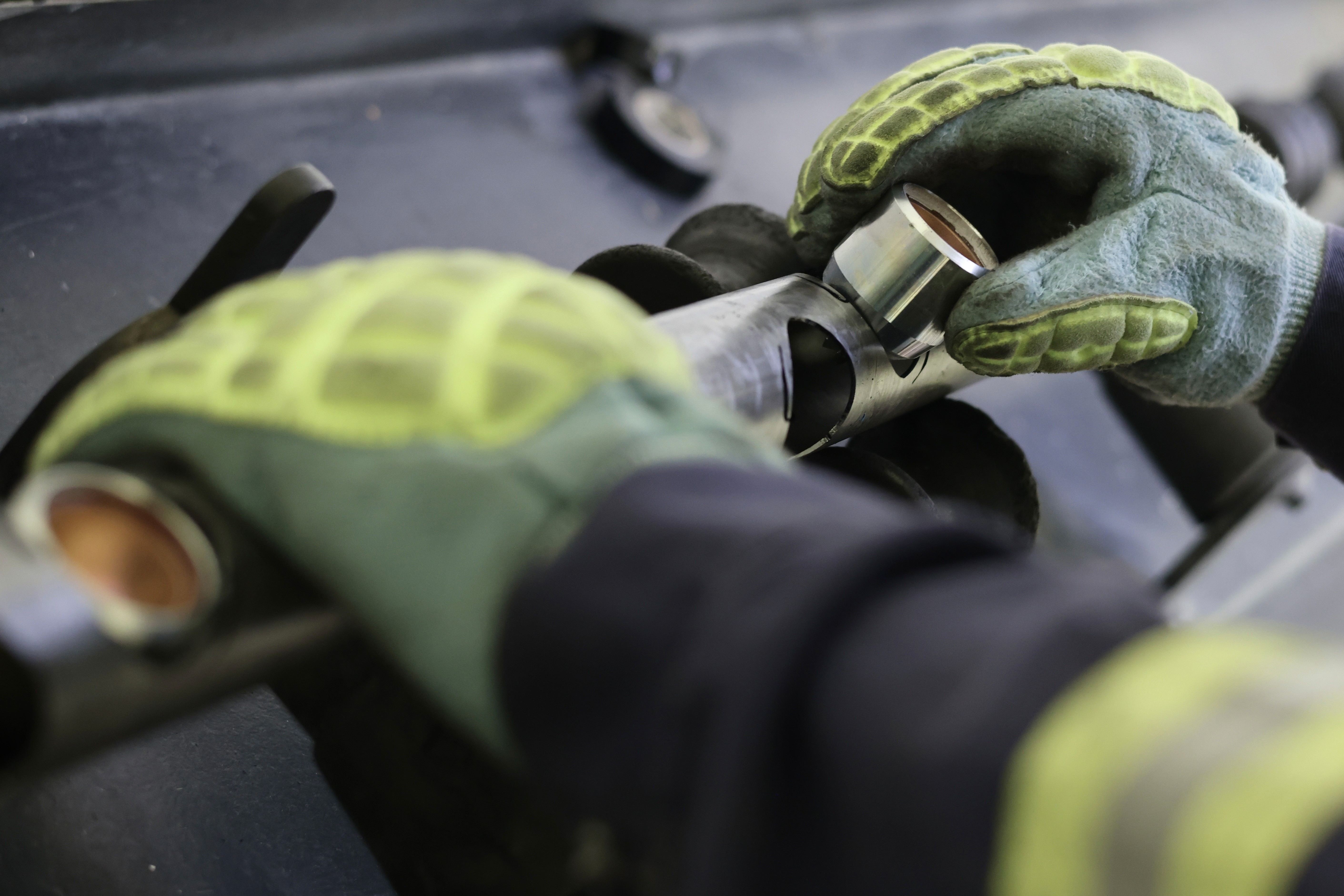
Gun length, carrier design, and deployment (wireline or TCP for deviated)
Hostile environment adaptations (Thermal in-situ/High Temperature & H₂S/CO₂ rated)
Inquire about ABANDONMENT perforating
Advanced Perforating Systems for Reliable Abandonment
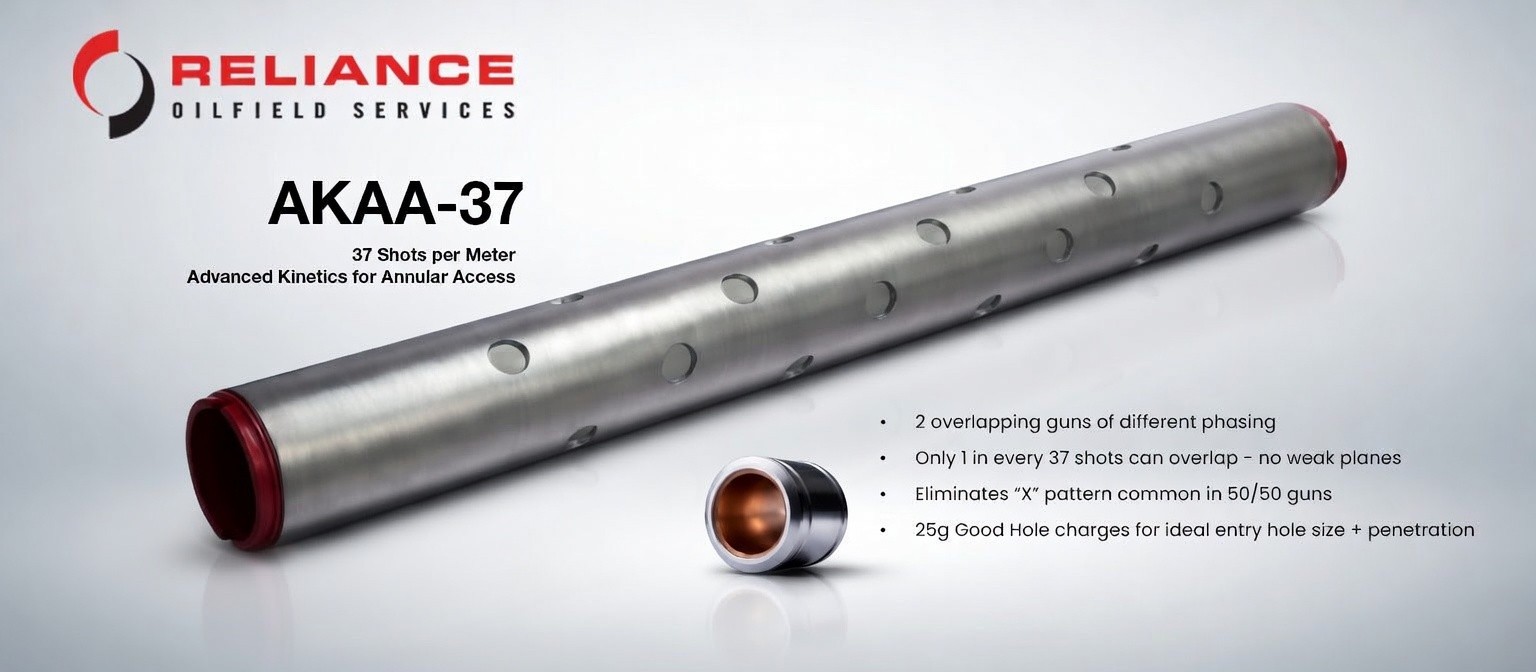
One high-performance example we deploy is the AKAA-37 (37 Shots Per Meter), a modeled multiple-gun array that provides superior annulus intersection with large entry holes for cement squeeze access, minimal charge overlap to maintain casing integrity, and balanced penetration for cost-effective remedial performance.
We also incorporate industry-standard circulation and puncher configurations, such as limited-penetration charges for consistent entry holes and large flow areas to support homogenous cement plugs; 360° circulating shaped charges for uniform perforation coverage and reliable cement distribution; and puncher systems for clean annular communication and pressure equalization, ensuring safe, effective squeeze and barrier placement without excessive formation or outer casing damage.

How Abandonment Perforating Works
Client Consultation & Diagnostics — Review your well logs, pressures, and goals with CVT, CHAT, and Radial Bond Log data.
Custom Design Collaboration — Partner with energetics manufacturers to engineer the gun configuration (shot density, charge type, phasing).
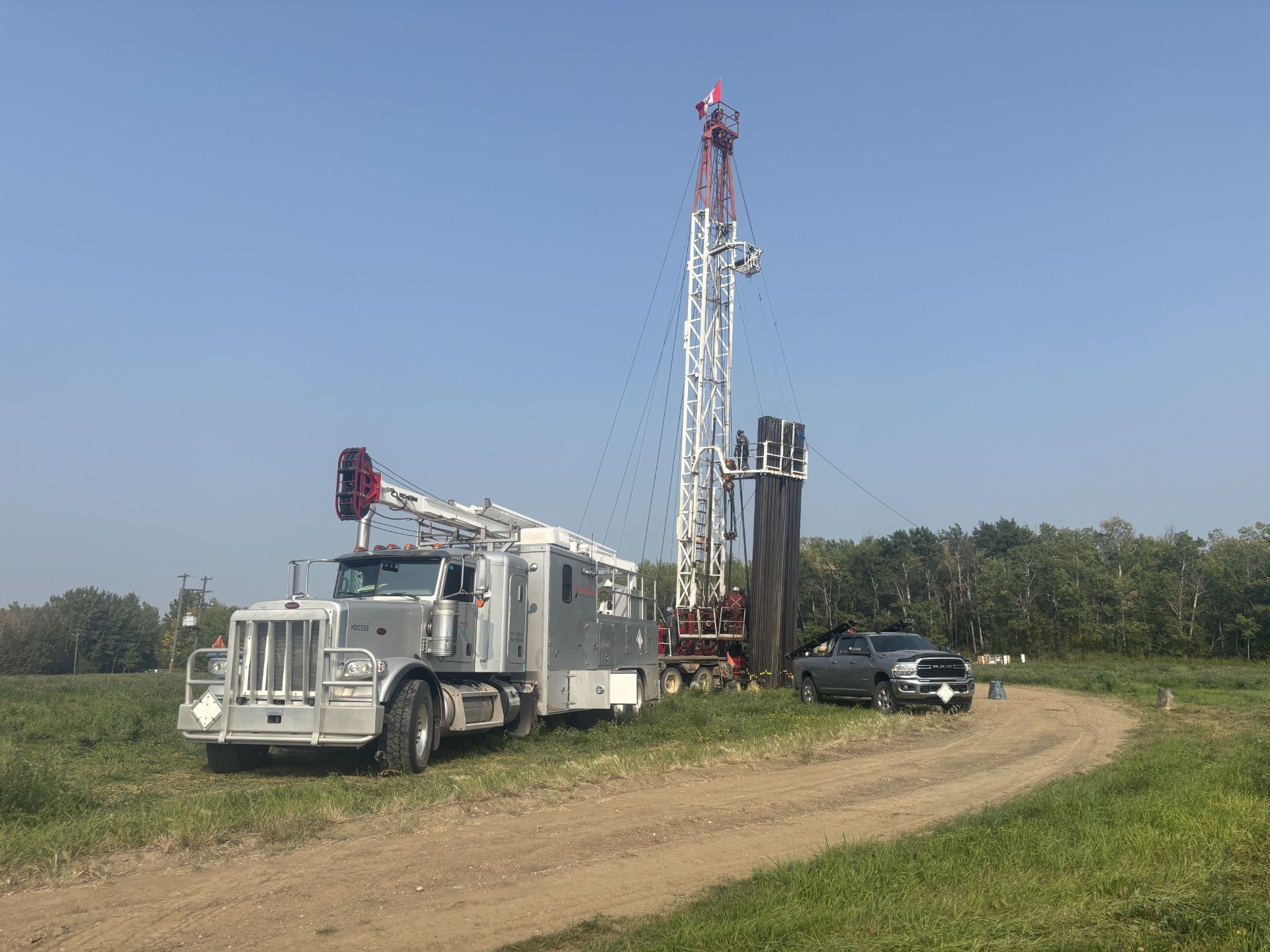
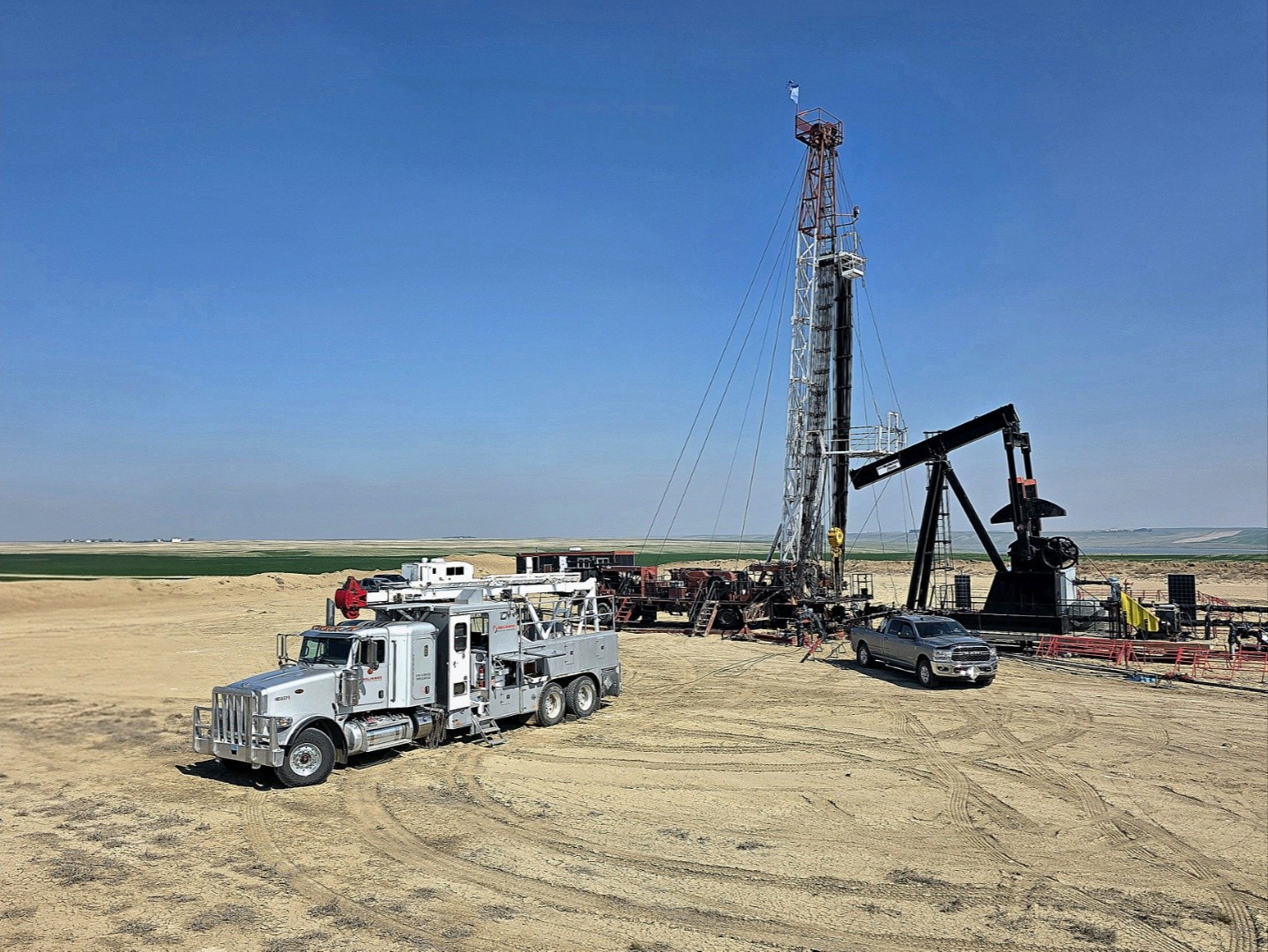
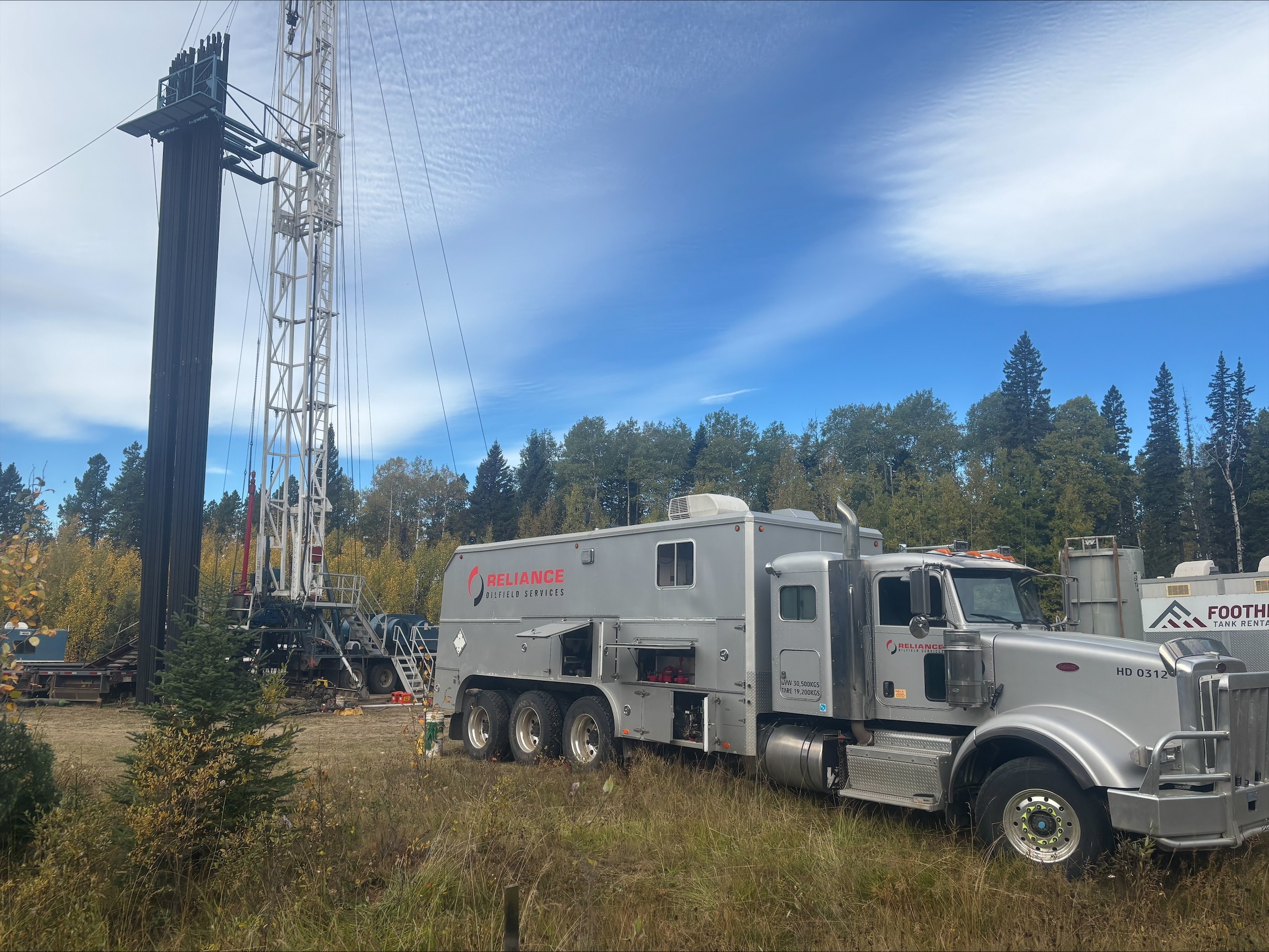
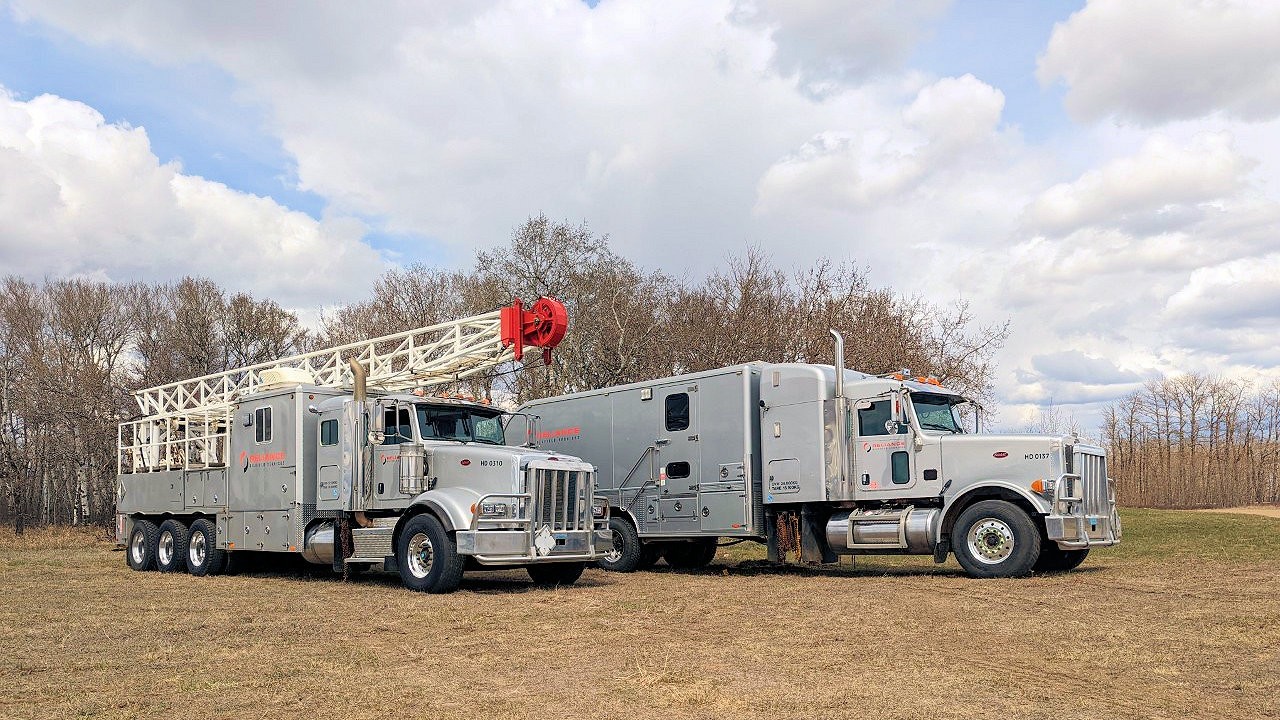
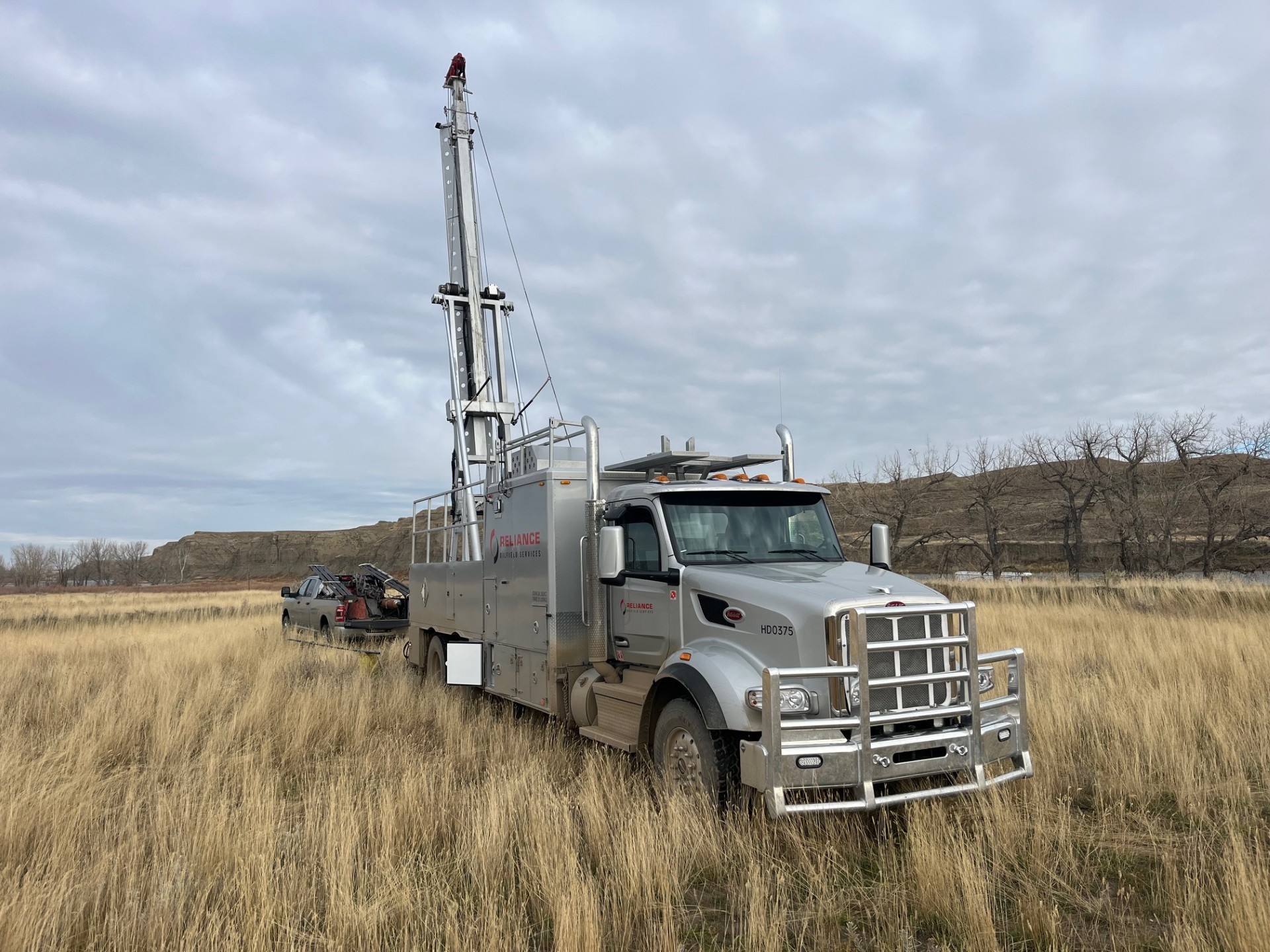
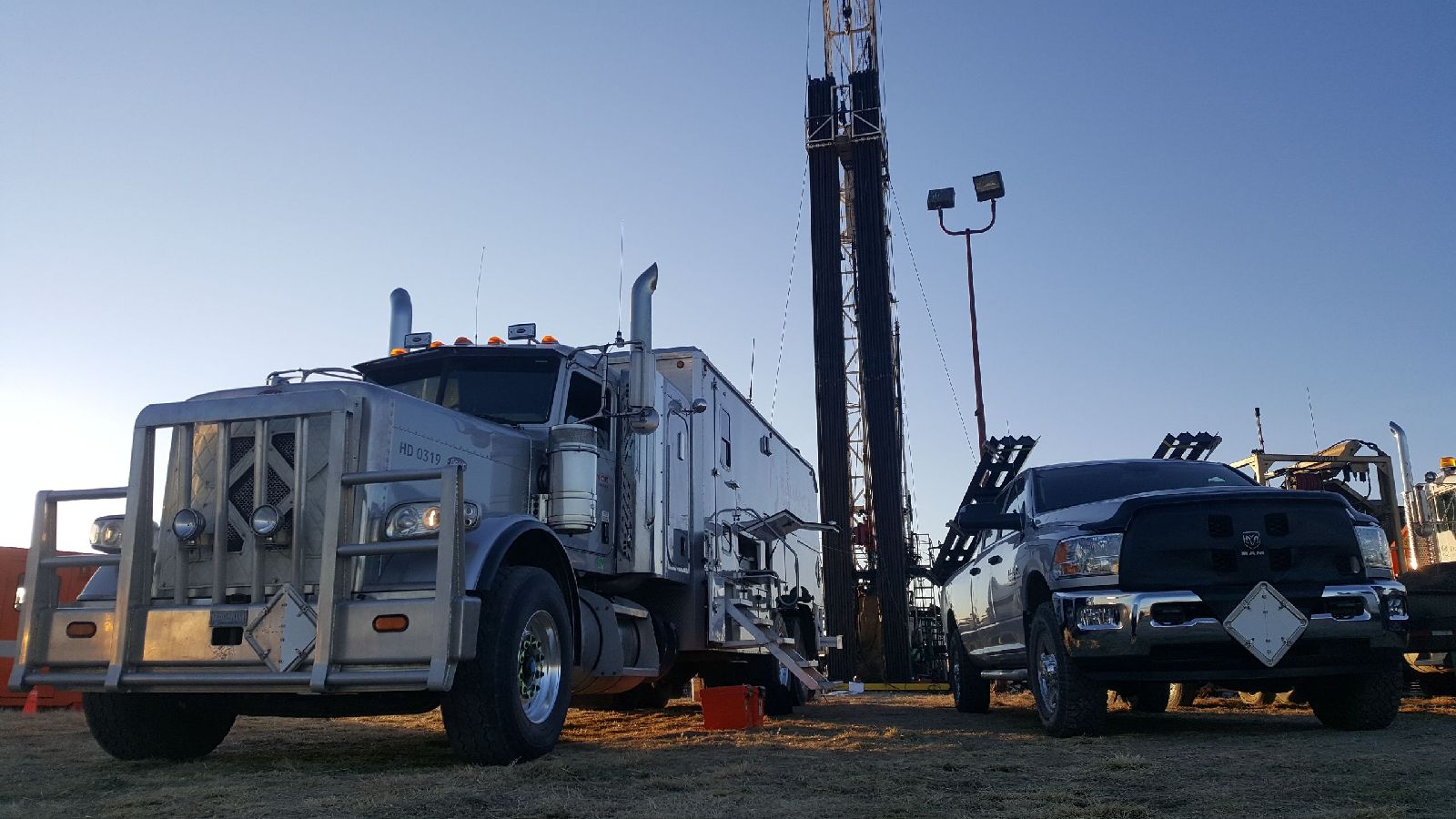
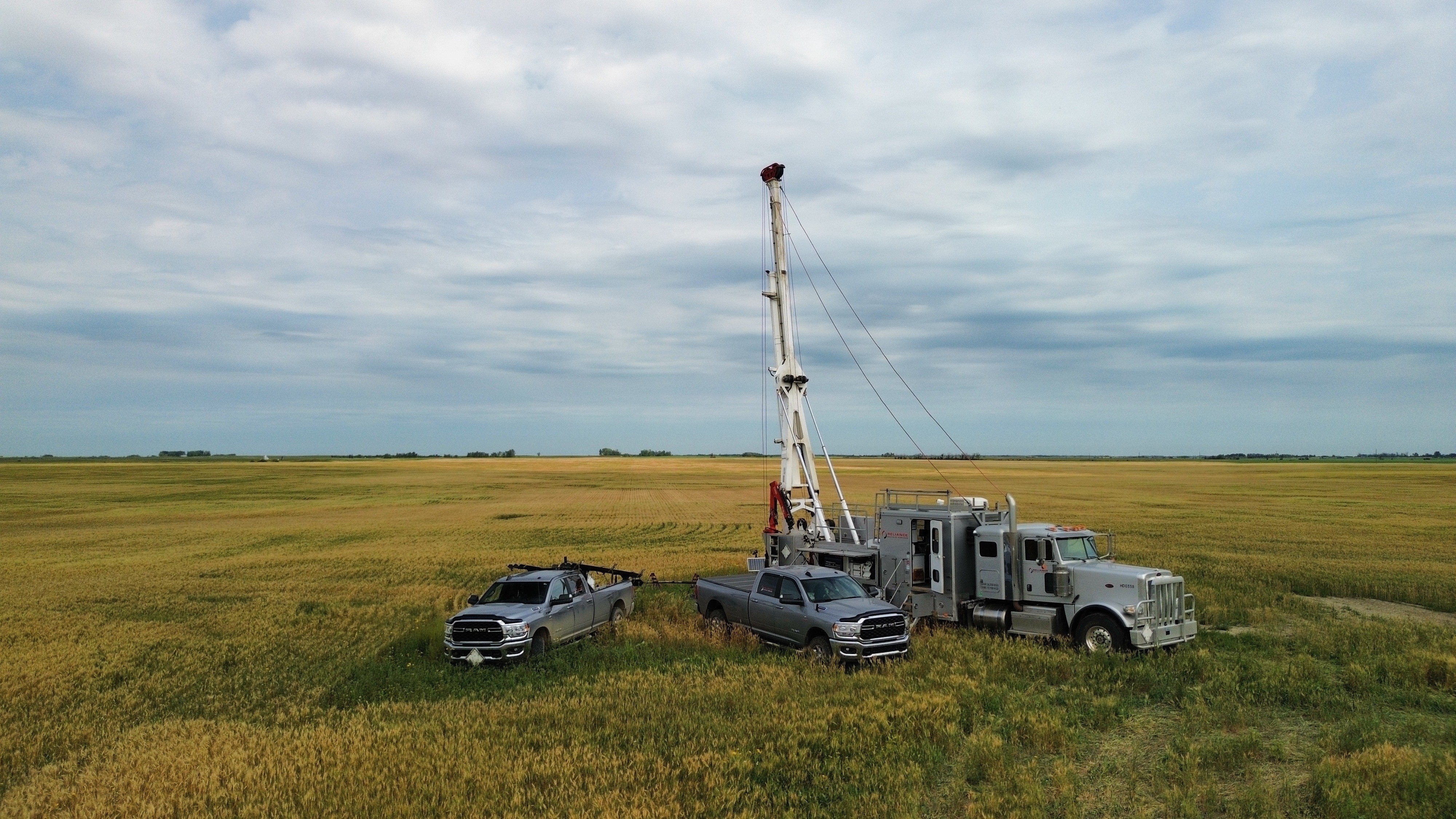
Deployment — Electric line (conventional, mast, heli-portable) or TCP for remote/deviated sites.
Charge Activation & Squeeze — Create precise entry holes to intersect channels and enable targeted cement placement.
Verification — Confirm seal integrity with Reliance tools for regulator-ready documentation.
Key Features & Custom Options
Tailored shot density/phasing for precise channel intersection and squeeze efficiency
Large entry holes + controlled penetration for optimal cement flow and casing preservation
Limited-penetration circulation charges: Consistent holes, large flow areas, homogenous plugs
360° circulating shaped charges: Uniform coverage for reliable cement distribution and annular access
Puncher configurations: Clean perforations for pressure equalization and communication
AKAA-37 example: 37 SPM for dense coverage, superior pattern, minimal overlap
Full compatibility with wireline/TCP and hostile environments (H₂S/CO₂ rated)
Applications in Well Abandonment & Remediation
SCVF/GM channel intersection and formation access for remediation
Targeted cement squeeze for zonal isolation and barrier placement
Gas migration sealing in inactive/suspended wells
Multi-string or complex annulus access
High-volume liability reduction campaigns
Problem well interventions requiring customized formation access without rig work
benefits
Best-Results Customization — Engineered with you and manufacturers for your exact well conditions and goals
Higher Success Rates — Optimized patterns and charges reduce failed squeezes and rework
Casing Integrity & Flow — Large holes + minimal impact for effective cement and preserved structure
Rigless Efficiency — Faster jobs, lower costs/emissions/downtime
Regulatory Alignment — Verifiable barriers support AER Directive 020/087, Saskatchewan PNG015, BC guidelines
Integrated Workflow — Seamless with Reliance diagnostics for end-to-end solutions
Liability Reduction — Accelerates closure, improves LCA/LLR ratings, avoids orphan status
Inquire about ABANDONMENT perforating