
Noise Temperature Logging
Noise Temperature Logging for SCVF/GM & Leak Detection
Noise temperature logging is a reliable, field-proven method for identifying Surface Casing Vent Flow (SCVF), Gas Migration (GM), leak paths, and behind-pipe communication in Western Canadian wells. By capturing acoustic signatures using noise logging from gas/fluid turbulence, pressure drops, and bubbling, alongside temperature anomalies from Joule-Thomson effects or fluid influx, it delivers actionable insights even in low-flow or quiet conditions.
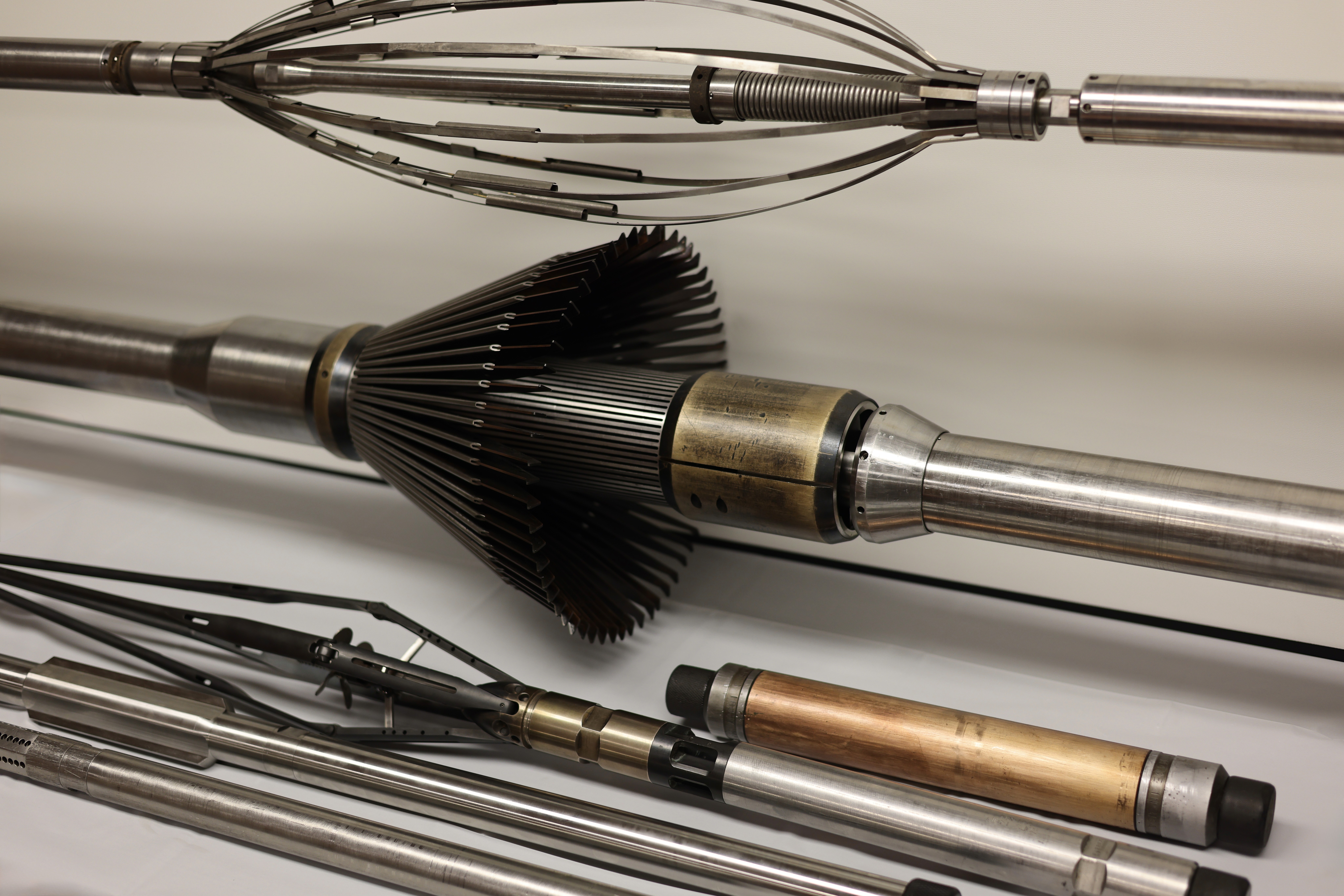
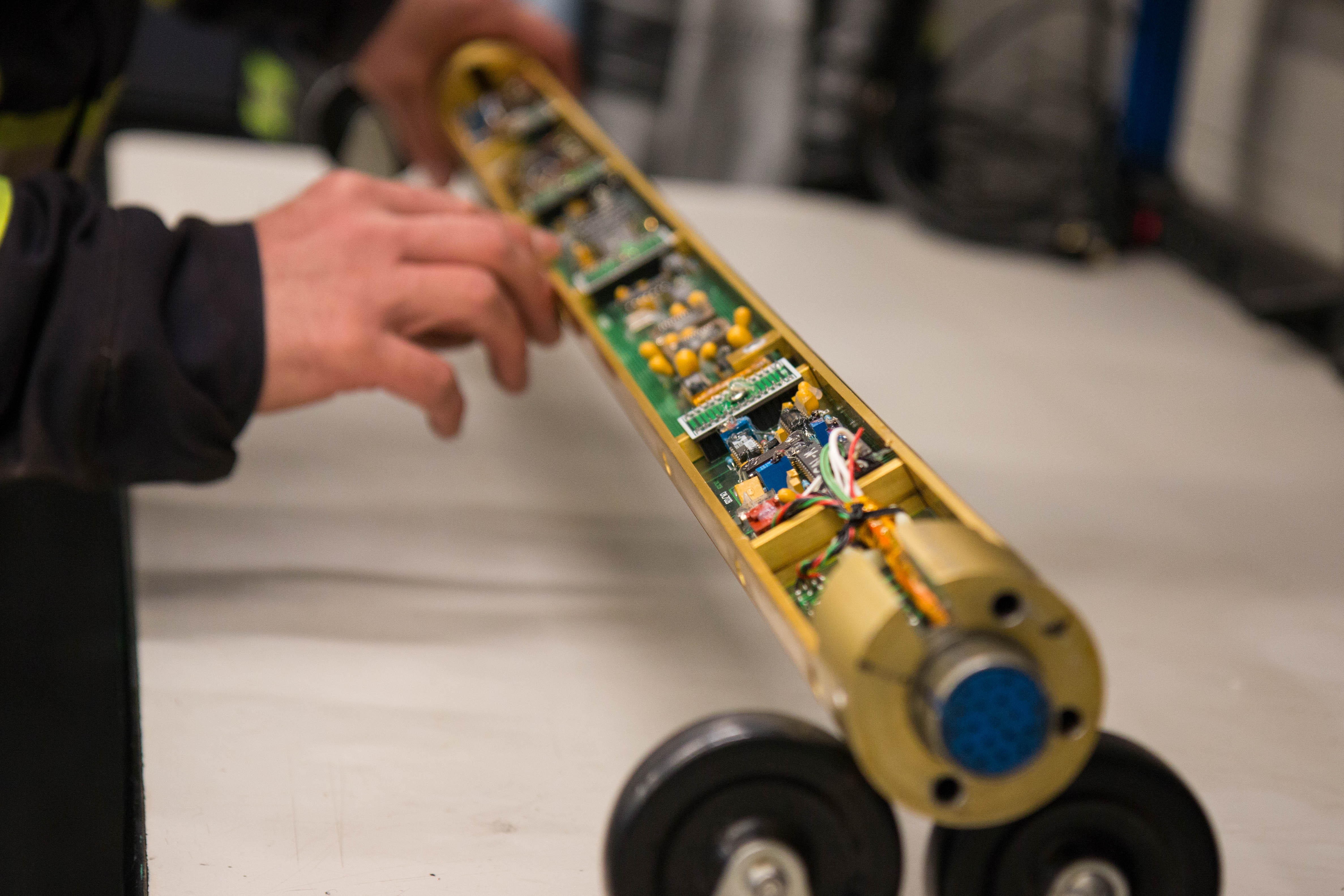
Reliance deploys slim hole, high-performance noise temperature tools to deliver accurate, actionable noise temperature logging data for remediation planning, zonal isolation, cement squeezes, leak detection and permanent abandonment.
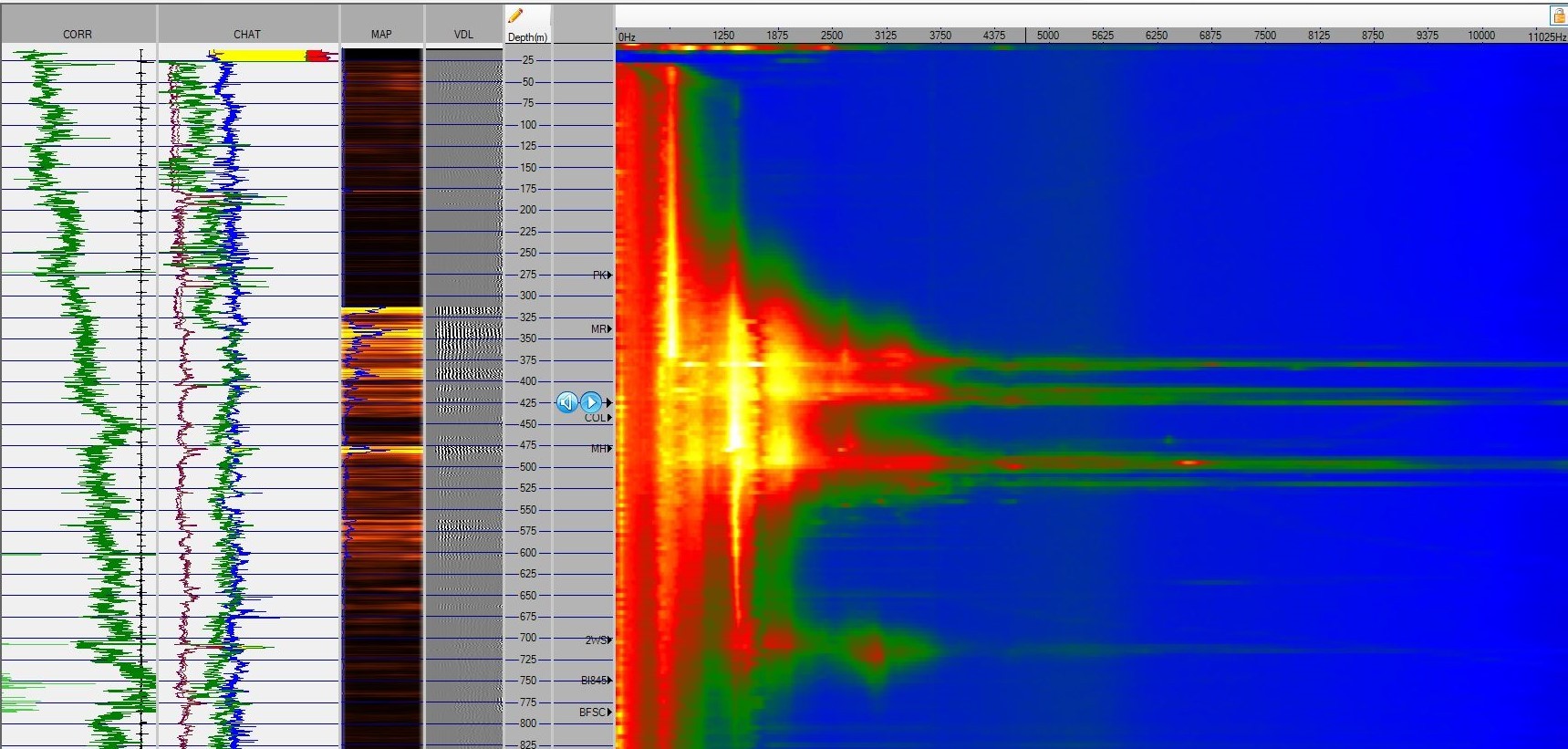
How Noise Temperature Logging Works:
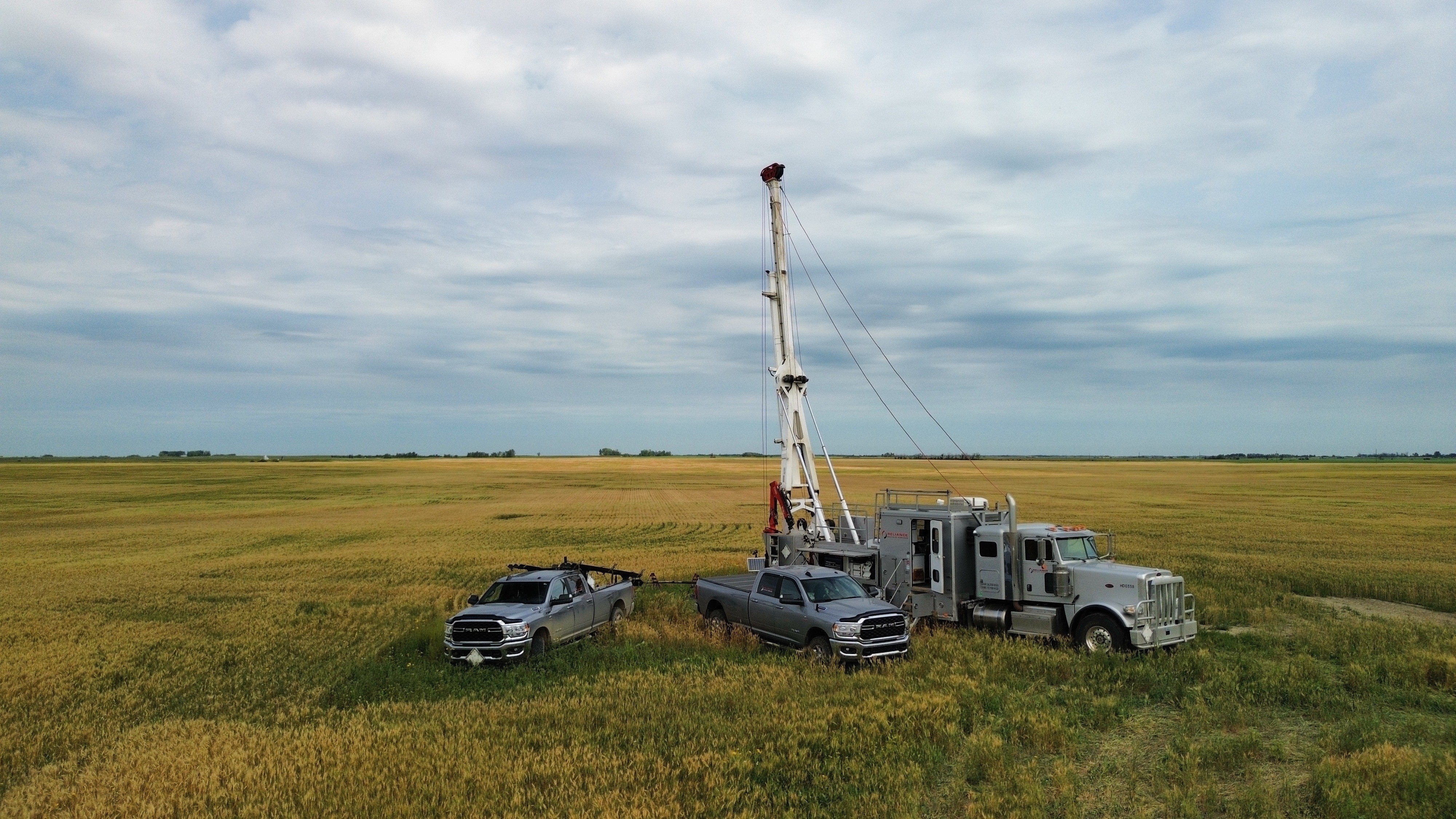
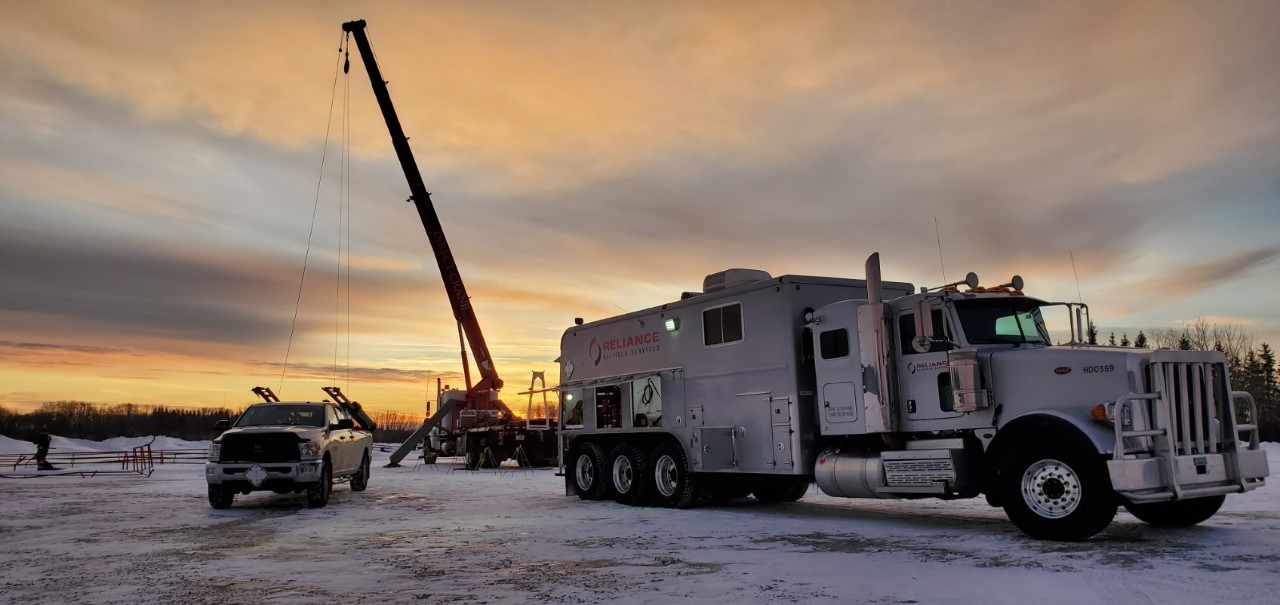
Wireline Deployment — Slim 1-11/16" (43 mm) tool conveyed via electric line (conventional, mast, or heli-portable units for remote sites).
Acoustic Capture — High-sensitivity hydrophone records broad-spectrum noise from gas/fluid movement, through perforations, restrictions, channeling, micro-annulus or annular flow.
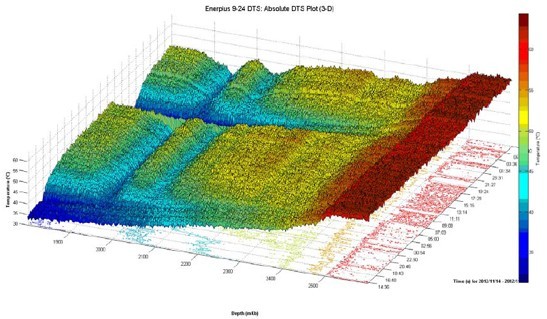
Temperature Measurement — High-resolution sensor detects thermal deviations, such as cooling from gas entry (Joule-Thomson effect) or warming from liquid influx.
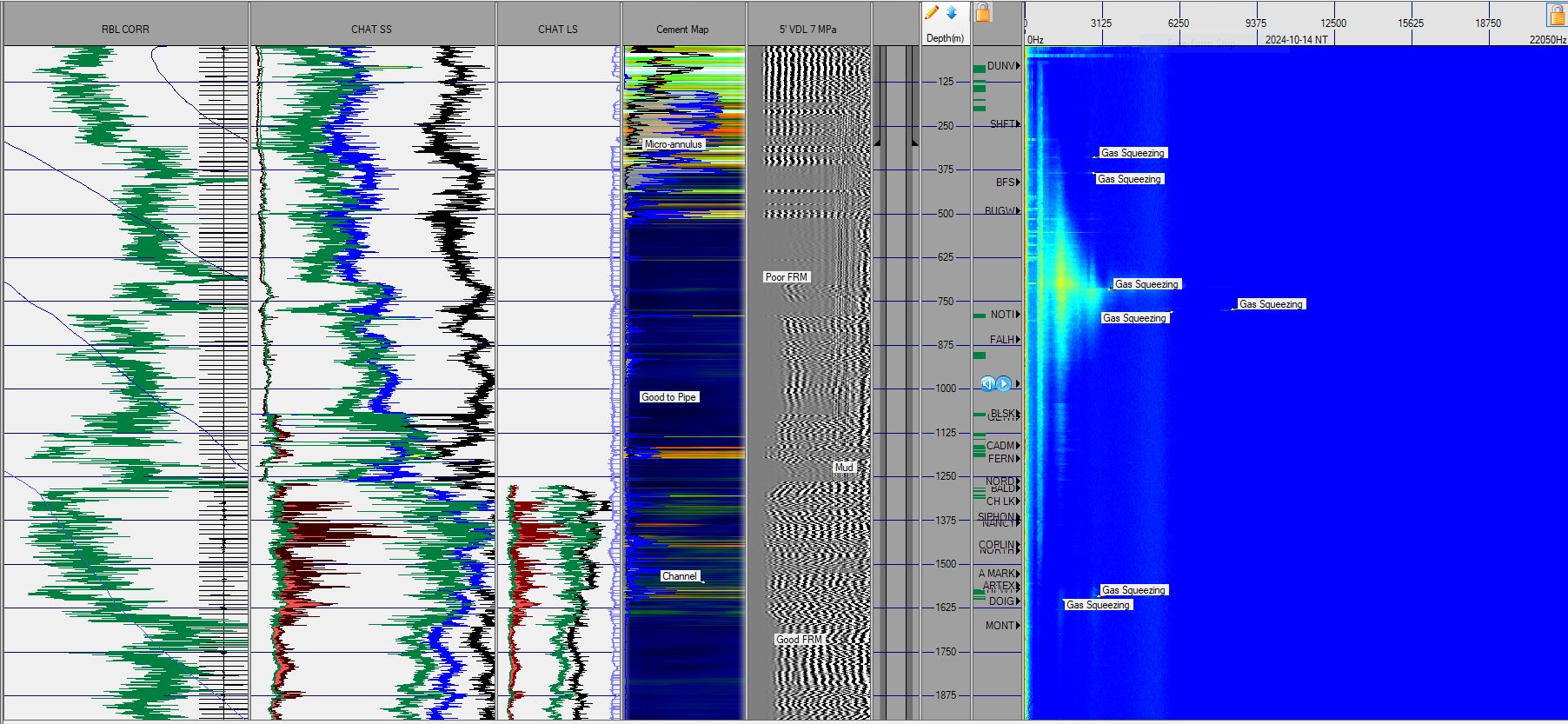
Data Conversion & Analysis — Full-spectrum frequency analysis converts signals to audible audio files + visual waveforms/spectrograms in our SIGMA software for intuitive source identification and multi-directional interpretation.
Inquire about NOISE TEMPERATURE LOGGING
TOOL SPECIFICATIONS
Diameter
1 – 11/16” (43mm)
Pressure Rating
103 MPa (15,000 psi)
Temperature Rating
177°C (350°F)
H₂S/CO₂ Rated
Yes
Modes:
Surface Readout (SRO)
Key Advantages
Proven Detection in Low-Flow Wells — Captures subtle noise events via full-spectrum analysis and SIGMA visualization, ensuring no detail is lost.
Integrated Noise & Temperature Insights — Combines acoustic signatures (turbulence, leaks) with thermal anomalies for precise pinpointing of SCVF/GM sources.
Through-Tubing Efficiency — Slim design allows rigless access, reducing downtime, costs, and emissions—perfect for orphan wells or P&A campaigns.
Regulatory Compliance — Verifiable, high-quality data aligns with AER Directive 020 (Well Abandonment), Directive 080 (Well Logging), Saskatchewan PNG015, and BC guidelines, accelerating approvals and enhancing LMR/LLR profiles.
Complements Advanced Tools — Pairs with our CVT for hybrid diagnostics in dry or complex wells, offering a complete solution from acquisition to interpretation.
What Noise Temperature Logging Detects
Surface casing vent flow (SCVF)
Gas migration (GM) behind casing
Leak paths, channeling, and behind-pipe communication
Flow through perforations, restrictions, or packers
Annular cross-flow, multi-phase turbulence, or pressure communication
Nuisance vs. productive gas sources (e.g., formation to annulus)
Post-remediation confirmation (e.g., reduced noise after squeezes)
Limitations of Traditional Fluid-Based Noise
While effective, traditional noise temperature logging tools rely on fluid-borne acoustics, which can face challenges like:
Attenuation and "stacking" of waveforms over long distances (especially low frequencies).
Suppression of small events by larger anomalies in the wellbore fluid.
Reduced performance in dry, low-fluid, or gas-cut wells (requires stable fluid column).
Reliance's Casing Vibration Tool (CVT) addresses accurate noise logging these by measuring vibrations directly in the casing steel, yielding cleaner datasets, dry-run capability, and superior sensitivity to subtle events.
CVT vs. Conventional Fluid-Based Noise Tools
Feature
Reliance CVT (Direct Casing)
Conventional Fluid-Based Tools
Measurement Medium
Vibration of the casing steel
Acoustic energy in wellbore fluid
Signal Degradation
Zero wellbore fluid interference
Attenuation leading to multi-waveform stacking
Low-Amplitude Event Detection
High sensitivity to subtle events
Often suppressed or masked due to wellbore fluid saturation
Low-Flow / Subtle Scenarios
Superior detection and clarity
Limited resolution
Run Conditions
Can run dry (measures casing, not fluid)
Requires stable fluid column
Inquire about NOISE TEMPERATURE LOGGING